
Lieferung heute & morgen

Qualitätsgarantie

Willkommens-Angebote freischalten: KOSTENLOSE Lieferung | Bis zu 80 % RABATT | Kostenlose 30-Tage-JoyPlus-Testphase
App herunterladen
The search for an effective anti-wrinkle eye cream can quickly become complex. The market is flooded with products promising instant results and revolutionary active ingredients. However, not every formula delivers on its claims. Many consumers invest in products that disappoint in their effectiveness or whose price is not justified by the ingredients.
This guide serves as a roadmap. It highlights common marketing traps and explains the objective criteria you should look for to make an informed decision for your skincare routine.
Before making a purchase, it's helpful to be aware of common pitfalls that often lead to unsatisfactory results.
To find a suitable anti-ageing eye cream, you should focus on verifiable facts. The following three parameters are crucial.
The effectiveness of an eye cream depends directly on its active ingredients and their position on the INCI list.
The skin around the eyes is up to ten times thinner than on the rest of the face and has fewer sebaceous glands, making it particularly prone to dryness and irritation. A good formulation should be free of potentially irritating substances like fragrances and high concentrations of alcohol. The texture—whether a light gel or a rich cream—should suit your skin type and needs. A gel texture can have a cooling effect on puffiness, while a rich cream provides intensive care for dry skin.
Identify your main concern to select the product with the most appropriate active ingredients.
Here is a selection of eye creams tailored to specific needs and user profiles.
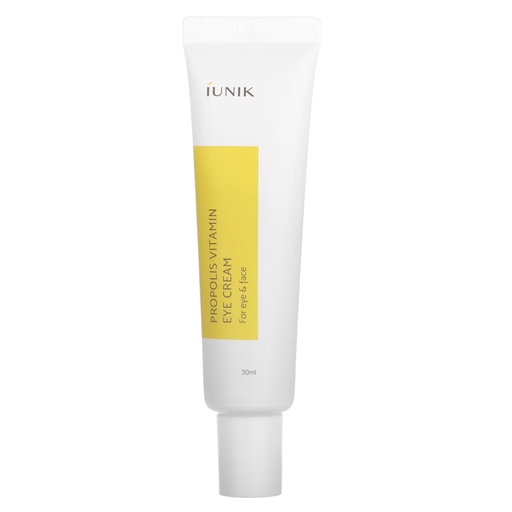
Why This Fits Their Persona: Ideal for users aged 30+ looking for a nourishing and moisturising basic eye care product to prevent the first signs of wrinkles. The formula with Propolis Extract and Sea Buckthorn Fruit Extract intensively nourishes the skin.
This product relies on proven, nourishing ingredients rather than overpriced "miracle ingredients" in low concentrations. The focus is on solid hydration.
Offers excellent value with its 30 ml size. The lightweight formula is also suitable for the entire face.
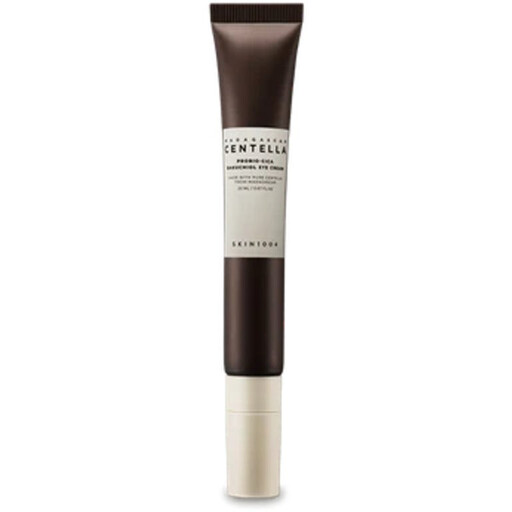
Why This Fits Their Persona: Perfect for individuals with sensitive skin who want an effective anti-ageing treatment without the potential irritation of retinol. The formula targets wrinkle reduction and firmness.
It bypasses the "all-in-one" myth by clearly focusing on a gentle anti-wrinkle effect through Bakuchiol, combined with soothing Centella Asiatica.
Contains the plant-based retinol alternative, Bakuchiol. The light, non-sticky texture absorbs quickly and soothes the skin.
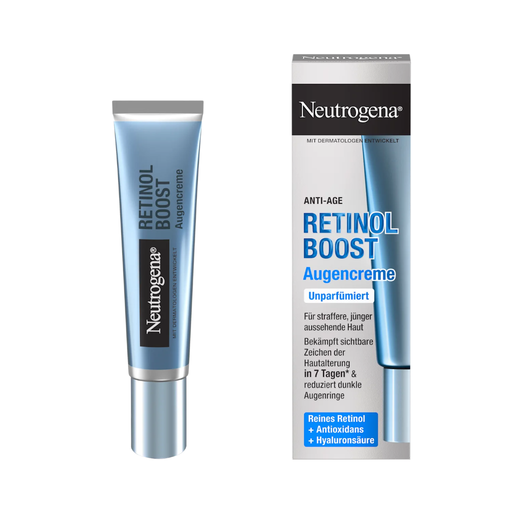
Why This Fits Their Persona: For users seeking a targeted and potent solution for visible wrinkles like crow's feet and who are ready to incorporate the proven ingredient Retinol into their routine.
This product doesn't promise a superficial "instant effect" but relies on the active ingredient Retinol, which targets the skin's structure. It is clearly positioned as an anti-wrinkle product.
Combines Retinol with Hyaluronic Acid for hydration. According to the manufacturer, 100% of testers showed a visible improvement.
We have compiled a complete, up-to-date list of products that fully meet these strict selection criteria and comply with current regulations.
1. At what age should I start using an anti-wrinkle eye cream? There is no fixed age. A preventative, moisturising eye cream can be beneficial from your mid-20s to keep the delicate skin supple. Products with active anti-ageing ingredients like retinol or peptides are generally recommended from age 30, when the first fine lines may appear.
2. How do you apply eye cream correctly? A rice-grain-sized amount is sufficient for both eyes. Apply the cream to your ring fingers, as they exert the least pressure. Gently pat the product along the orbital bone (the bony structure around the eye) from the inside out. Avoid dragging the cream or applying it directly to the eyelid or too close to the lash line.
3. Can I use my regular face cream for the eye area? It is generally not recommended. Face creams may contain fragrances or active ingredients in concentrations that are too irritating for the thin, sensitive skin around the eyes. Eye creams are specifically formulated for the needs of this area, are often ophthalmologically tested, and have a texture that minimises running into the eyes.