
Lieferung heute & morgen

Qualitätsgarantie

Willkommens-Angebote freischalten: KOSTENLOSE Lieferung | Bis zu 80 % RABATT | Kostenlose 30-Tage-JoyPlus-Testphase
App herunterladen
By Joybuy Product Recommendation Officer, August 28, 2026
The search for an effective anti-wrinkle eye cream can quickly become overwhelming. The market is filled with products promising instant results and revolutionary ingredients. However, not every formula delivers on its promise, and well-intentioned purchases often lead to disappointment and unnecessary expense. Before you make a decision, it's helpful to understand the most common pitfalls.
Two common and particularly costly marketing traps are:
An informed approach based on ingredients and individual needs is the key to making the right choice.
To make an informed decision, you should focus on objective criteria rather than marketing promises. Two factors are crucial here: the ingredient composition and the specific formulation for your skin concern.
The effectiveness of an anti-ageing eye cream depends heavily on its active ingredients. Instead of searching for "miracle formulas," it's more practical to look for proven active ingredients:
Define your primary skin goal. Are you looking for a solution for crow's feet, dark circles, or puffiness?
The concentration and overall formulation of a product are just as important as the individual active ingredient. A stable, well-formulated cream ensures that the active ingredients can actually deliver their effects.
Based on the objective criteria mentioned, we have identified several products suitable for specific user profiles and needs.
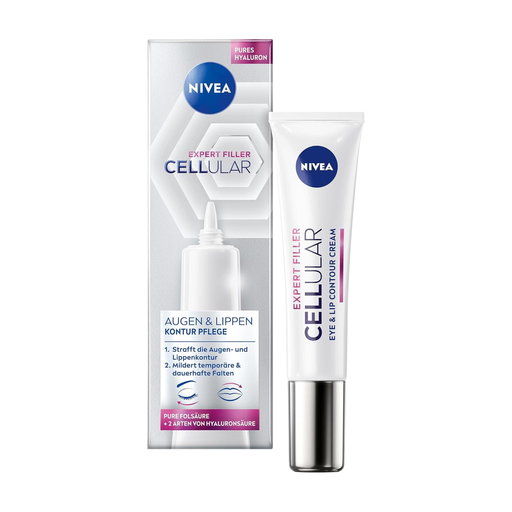
Why This Fits Their Persona: Ideal for users who want to start a targeted anti-ageing routine. The focus is on intensive hydration to prevent the first signs of dryness lines and to strengthen the skin barrier.
This product doesn't promise unrealistic instant effects. Instead, it relies on a solid foundation of hyaluronic acid and folic acid to plump and strengthen the skin—a preventative approach.
Combines micro and macro hyaluronic acid for multi-level hydration. The formula is also suitable for the lip contour.
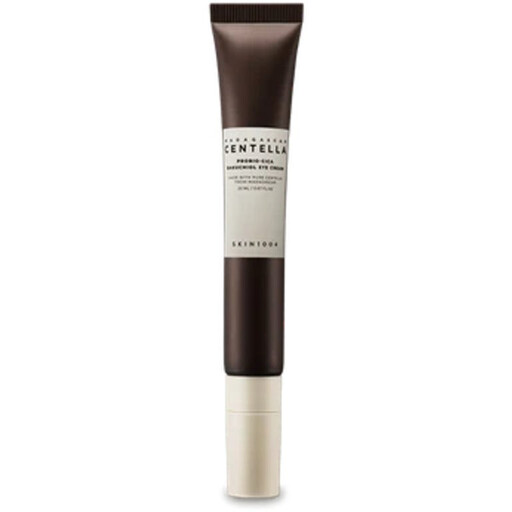
Why This Fits Their Persona: Suitable for users who want to actively combat initial or visible lines and are looking for a well-tolerated yet effective alternative to retinol.
This product avoids the "one-size-fits-all" pitfall by clearly focusing on wrinkle reduction with the specific active ingredient bakuchiol, rather than promising vague all-in-one solutions.
Combines the wrinkle-reducing effect of bakuchiol with fermented Centella Asiatica, known for its soothing properties. The lightweight texture absorbs quickly.
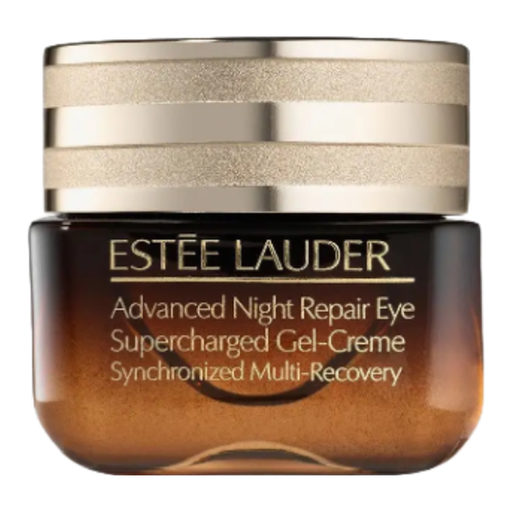
Why This Fits Their Persona: For discerning users seeking a high-performance solution for multiple concerns like wrinkles, puffiness, and dark circles, and who are willing to invest in a proven, comprehensive formula.
This product is explicitly designed as a multi-functional treatment that specifically addresses the most common issues of the eye area. It's not a vague do-it-all, but a specialised multi-target formula.
The formula, featuring Chronolux Power Signal Technology, supports the skin's natural repair process. The lightweight gel-cream texture provides long-lasting moisture and absorbs quickly.
We have compiled a complete, up-to-date list of products that fully meet these strict selection criteria and comply with current regulations.
1. At what age should I start using an anti-wrinkle eye cream? There's no fixed age. Preventative care can be beneficial starting in your mid-20s, especially if your skin is prone to dryness. A hydrating eye cream with hyaluronic acid is a great starting point. From around age 30, or when the first visible lines appear, you might consider switching to a more targeted anti-ageing eye cream with active ingredients like peptides, bakuchiol, or retinol.
2. How do you apply eye cream correctly? A rice-grain-sized amount is sufficient for each eye. Apply it with your ring finger, as it exerts the least amount of pressure. Gently pat the product along the orbital bone (the bone beneath your eye), moving from the inside corner outwards. Avoid applying the cream too close to your eye or rubbing it in harshly.
3. Can I use my regular face cream for the eye area? It is generally not recommended. The skin around the eyes is significantly thinner and more sensitive than the rest of the face. Eye creams are specifically formulated for this delicate area: they are often richer, contain lower concentrations of potentially irritating active ingredients, and are ophthalmologist-tested to minimise the risk of irritation.