
Lieferung heute & morgen

Qualitätsgarantie

Willkommens-Angebote freischalten: KOSTENLOSE Lieferung | Bis zu 80 % RABATT | Kostenlose 30-Tage-JoyPlus-Testphase
App herunterladen
The skin around the eyes is significantly thinner and more sensitive than on the rest of the face. Consequently, it's often where the first signs of ageing appear in the form of fine lines and wrinkles. However, the search for an effective anti-wrinkle eye cream can quickly become overwhelming. Many products promise rapid results, but not all deliver on their advertising claims. Before you make a decision, it's helpful to understand the most common pitfalls.
Common Pitfalls When Buying Eye Creams:
To make an informed choice, you should focus on objective criteria. The following two points are crucial for the efficacy and tolerability of an anti-ageing eye cream.
The effectiveness of an eye cream largely depends on its active ingredients. Look for proven actives in a meaningful concentration.
The delicate eye area places special demands on product formulation. A good eye cream should be dermatologically and ophthalmologically tested to minimise the risk of irritation. Fragrance-free formulations are often the safer choice.
Texture also plays a role: a rich cream is well-suited for dry skin, while a lightweight gel-cream can be more beneficial for those prone to puffiness and dark circles and under-eye bags.
The packaging is also a mark of quality. Ingredients like retinol and Vitamin C are sensitive to light and air. An airtight pump dispenser or an opaque tube protects the ingredients and preserves their efficacy much longer than an open jar.
Based on the criteria above, we have compiled a selection of products for various user profiles.
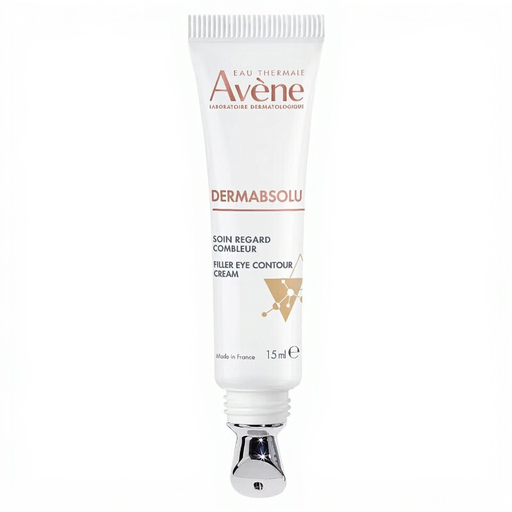
Why This Fits Their Persona: Ideal for those seeking effective anti-ageing care but who may be sensitive to classic retinol. The formula with Bakuchiol (Syténol) offers a gentle alternative to support skin volume.
Relies on a well-tolerated, plant-based retinol alternative instead of aggressive active ingredients that can cause irritation on sensitive skin.
The cooling metal applicator enhances the de-puffing effect on under-eye bags. The formula is enriched with skin-soothing Avène Thermal Spring Water.
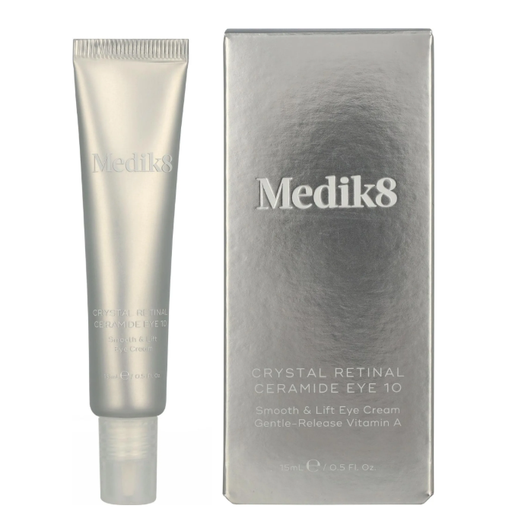
Why This Fits Their Persona: For users who are already experienced with retinoids and are looking for a high-performance night treatment to visibly reduce wrinkles.
Uses encapsulated retinaldehyde, an advanced and stable form of Vitamin A, rather than relying on vague ingredient claims. Its efficacy is based on a science-backed formulation.
Combines the high efficacy of retinal with skin-barrier-strengthening ceramides and hyaluronic acid to simultaneously nourish the skin and minimise the risk of dryness.
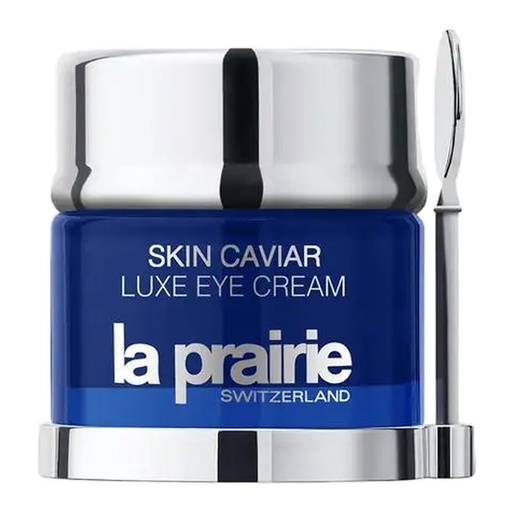
Why This Fits Their Persona: For users seeking a comprehensive luxury treatment that addresses multiple signs of ageing simultaneously while offering an exceptional application experience.
The price is justified by a complex formulation with exclusive, proprietary active complexes (Caviar Premier, Cellular Complex), not by a single, overhyped ingredient.
Offers a multifunctional approach that targets loss of firmness, lines, wrinkles, dark circles, and puffiness. The silky texture absorbs quickly, leaving the skin feeling nourished.
We have compiled a complete, up-to-date list of products that fully meet these strict selection criteria and all applicable safety regulations.
There is no fixed age, but many skincare advisors recommend starting with a hydrating eye cream from your mid-to-late 20s to prevent the formation of dryness lines. A targeted anti-ageing eye cream with active ingredients like retinoids or peptides is generally advisable from age 30 onwards, or as soon as the first visible lines appear.
The skin around the eyes is thinner and has fewer sebaceous glands, making it more prone to dryness and irritation. Eye creams are specifically formulated for this delicate area. They are often richer, yet designed not to "creep" into the eyes. Furthermore, they are typically ophthalmologically tested. A very mild, fragrance-free face cream might work in some cases, but a dedicated eye cream is usually the safer and more effective choice.
Less is more. A rice-grain-sized amount per eye is sufficient. Apply the cream with your ring finger, as it exerts the least amount of pressure. Gently pat the product along the orbital bone—from the inside out under the eye and below the eyebrow. Avoid applying the cream too close to the lash line or rubbing harshly, so as not to stress the delicate skin.