
Lieferung heute & morgen

Qualitätsgarantie

Willkommens-Angebote freischalten: KOSTENLOSE Lieferung | Bis zu 80 % RABATT | Kostenlose 30-Tage-JoyPlus-Testphase
App herunterladen
The search for an effective anti-wrinkle eye cream can quickly feel like navigating a labyrinth of marketing claims. The skin around the eyes is up to ten times thinner than on the rest of the face and has very few sebaceous glands, making it particularly susceptible to dryness and the formation of lines. Many products promise fast results, but not all deliver. As your Joybuy Product Recommendation Officer, I'll help you spot the typical pitfalls and make an informed decision.
Before you invest, you should be aware of three common marketing traps that often lead to disappointment and unnecessary expense:
To make the right choice, it's helpful to focus on objective criteria. Instead of being swayed by advertising claims, you should examine the following parameters.
The effectiveness of an anti-ageing eye cream depends on its ingredients. Certain active ingredients have proven to be particularly relevant in skincare:
The best ingredient list is of little use if the formulation isn't right. A good eye cream should absorb quickly without leaving a greasy film or migrating into the eyes. For an eye cream for sensitive skin, it is particularly important that it is free of potentially irritating substances such as denatured alcohol, synthetic fragrances, and harsh preservatives. Products labelled as "ophthalmologically tested" offer additional assurance of compatibility with the eye area.
Instead of making a blanket recommendation, we have identified products tailored to specific user profiles and their needs.
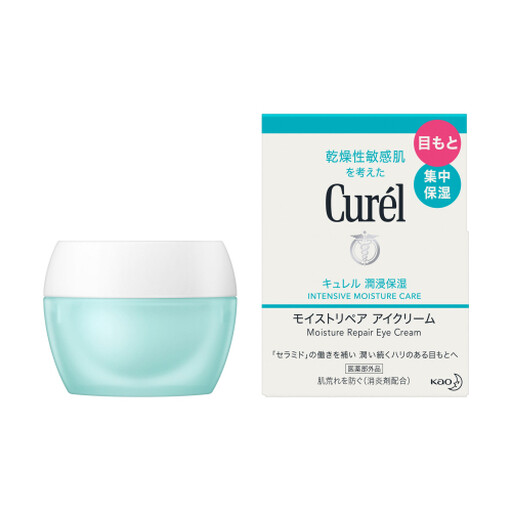
Why This Fits Their Persona: Ideal for those looking for their first eye cream or who have very sensitive, dry-prone skin. The focus is on strengthening the skin barrier and providing intense moisture, not on aggressive anti-ageing actives.
This cream avoids the "one-size-fits-all" trap by specifically targeting dry and sensitive skin. It doesn't promise miracles but delivers solid, foundational moisture to soften fine lines caused by dryness.
Contains ceramide-functioning ingredients to support the skin barrier. The formula is fragrance-free and tailored to the needs of sensitive skin.
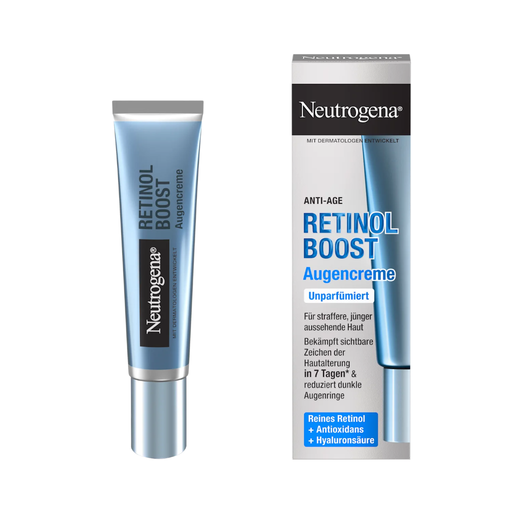
Why This Fits Their Persona: Suitable for individuals who want to actively combat visible fine lines and crow's feet. The formula is designed for retinol beginners and combines the active ingredient with hydrating hyaluronic acid.
This product avoids the overpriced luxury trap. It offers a scientifically backed active ingredient (retinol) at an accessible price point and provides clear instructions for gradual acclimatisation.
Combines retinol with hyaluronic acid to reduce wrinkles while providing hydration. The fragrance-free formula is also suitable for more sensitive skin types looking to start with retinol.
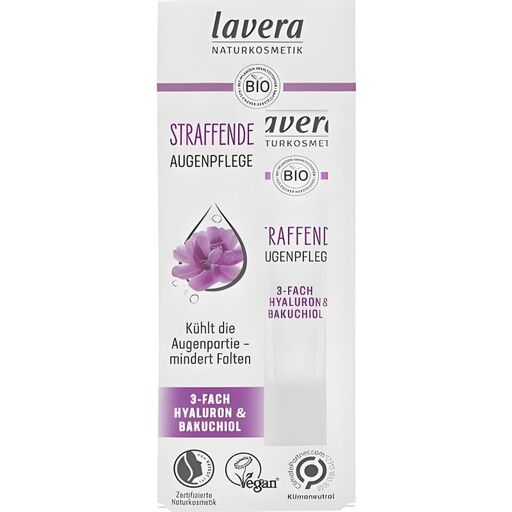
Why This Fits Their Persona: Perfect for users seeking an effective, firming eye treatment based on certified, natural ingredients. The formula relies on a plant-based alternative to retinol and is vegan.
This product specifically caters to the demand for natural cosmetics, thereby avoiding the "instant effect" fallacy. It focuses on long-term care through plant-based actives rather than short-term optical tricks.
Contains Bakuchiol, a well-tolerated, plant-based alternative to retinol, as well as hyaluronic acid. The cooling applicator aids application and can help reduce puffiness.
We've compiled a complete, up-to-date list of products that fully meet these strict selection criteria.
Visible results depend heavily on the active ingredient and your individual skin condition. With hydrating ingredients like hyaluronic acid, a plumping effect and the softening of dryness lines can often be seen within a few days. For active ingredients like retinol or peptides that work at a cellular level, patience is required. It can take 8 to 12 weeks of consistent use to see a visible improvement in wrinkle depth.
It is generally not recommended. Eye creams are specifically formulated for the thin and sensitive skin of the eye contour. They often have a different texture that prevents them from migrating into the eyes and are usually free of fragrances and other potential irritants that may be present in face creams. Additionally, the active ingredient concentrations are adapted for this delicate zone.
A good entry-level retinol eye cream should have a low concentration of the active ingredient (e.g., 0.01% to 0.1%). Look for formulations described as "encapsulated" or "time-release," as this increases tolerability. Additionally, it should contain soothing and moisturising ingredients like ceramides, niacinamide, or hyaluronic acid to support the skin barrier and prevent dryness. Start by applying it only two to three times a week and slowly increase the frequency.