
Lieferung heute & morgen

Qualitätsgarantie

Willkommens-Angebote freischalten: KOSTENLOSE Lieferung | Bis zu 80 % RABATT | Kostenlose 30-Tage-JoyPlus-Testphase
App herunterladen
The skin around the eyes is significantly thinner and more sensitive than on the rest of the face. As a result, it's often the first place to show signs of ageing, such as fine lines and wrinkles. A targeted eye care for mature skin is therefore not a luxury, but an essential part of a well-considered skincare routine. However, the market is overwhelming, and many products fail to deliver on their advertising claims.
This guide will help you separate marketing hype from facts and make an informed decision. We'll highlight the most common pitfalls when buying and explain which parameters truly matter to find a suitable anti-wrinkle eye cream.
Before investing in a new product, it's helpful to be aware of the most common disappointments. Many users spend money unnecessarily because they fall for two widespread marketing tactics.
To find an effective anti-ageing eye cream, you should focus on objective criteria rather than advertising promises. Two factors are crucial here: the ingredient composition and the formulation.
The effectiveness of a cream depends on its active ingredients. Here are some of the most proven substances for the eye area:
The best combination of ingredients is of little use if the cream is irritating or feels unpleasant on the skin. Pay attention to the following points:
Everyone's skin is different. That's why there isn't one perfect cream for everyone. We have selected products for different user profiles and their specific requirements.
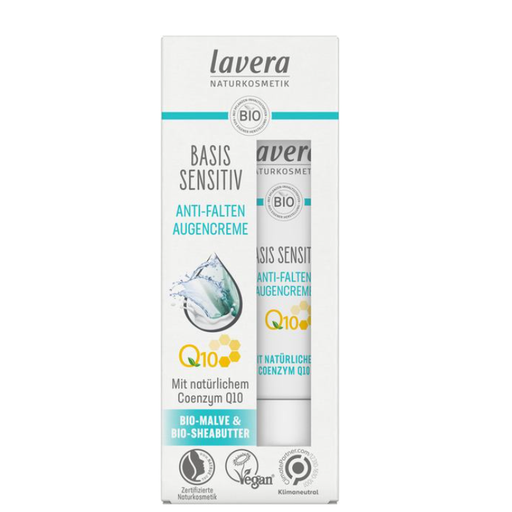
Why This Fits Their Persona: Ideal for those looking for a gentle, certified natural cosmetic to start their anti-ageing care. The formula is designed for hydration and protection against the first fine lines, without aggressive active ingredients.
It relies on the proven antioxidant ingredient Coenzyme Q10 instead of exaggerated claims. Its positioning as a mild, daily moisturiser is realistic and transparent.
Certified natural cosmetic, vegan, and free from silicones, paraffins, and mineral oil. Dermatologically tested for skin compatibility.
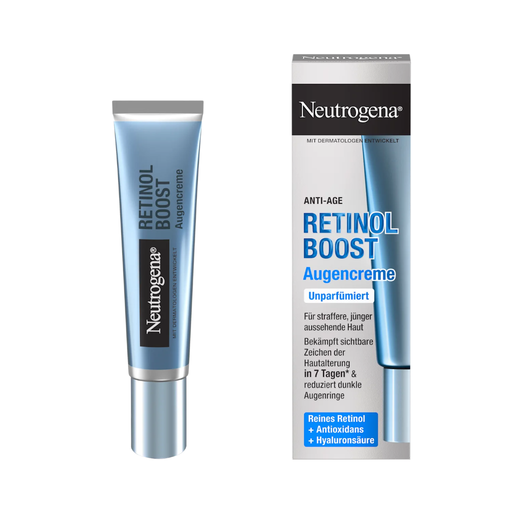
Why This Fits Their Persona: Suitable for experienced users who want to specifically target visible wrinkles like crow's feet and leverage the power of retinol.
The formula combines the potent active ingredient retinol with hydrating hyaluronic acid to counteract potential dryness. The brand provides clear instructions for gradual introduction, avoiding the "miracle ingredient" fallacy.
Contains retinol, one of the most well-researched anti-wrinkle ingredients. The fragrance-free formulation is also suitable for more sensitive skin types.
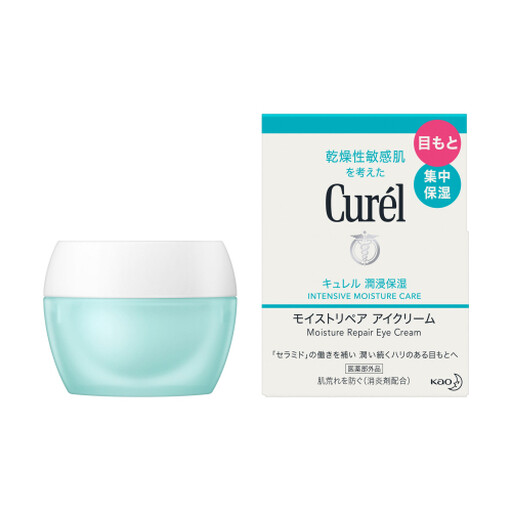
Why This Fits Their Persona: Specifically for people with dry and sensitive skin whose main concerns are fine lines from dryness and a compromised skin barrier. The focus is on intensive moisture and soothing.
The product doesn't promise to eliminate deep wrinkles but realistically aims to reduce fine lines caused by dryness. It's a specific problem-solver, not a "one-size-fits-all" cream.
Contains ceramide-functioning ingredients to strengthen the skin barrier and the anti-inflammatory agent allantoin. The formula is designed for maximum compatibility.
We have compiled a complete, up-to-date list of products that fully meet these strict selection criteria and safety standards.
There's no fixed age, but many skincare experts recommend starting with preventative eye care in your late 20s. At this point, the skin's natural collagen production begins to slow down. However, it's never too late to start a targeted routine to support the skin and reduce the appearance of fine lines.
It is generally not recommended. The skin around the eyes is up to ten times thinner than on the rest of the face and has fewer oil glands, making it more prone to dryness and irritation. Eye creams are specially formulated to be lighter, not migrate into the eyes, and are often tested for compatibility in the eye area.
Less is more. A rice-sized amount per eye is sufficient. Apply the cream with your ring finger, as it exerts the least amount of pressure. Gently pat the product along the orbital bone—from the inside out. Avoid rubbing or pulling the cream, as this can strain the delicate skin.