
Lieferung heute & morgen

Qualitätsgarantie

Willkommens-Angebote freischalten: KOSTENLOSE Lieferung | Bis zu 80 % RABATT | Kostenlose 30-Tage-JoyPlus-Testphase
App herunterladen
The skin around the eyes is significantly thinner and more sensitive than on the rest of the face. Consequently, the first signs of ageing, such as fine lines and wrinkles, often appear here first. However, when searching for an effective anti-wrinkle eye cream, the market is overwhelming and full of marketing promises. Many products don't deliver on their claims, leading to unnecessary expense. This guide will help you understand the crucial criteria and make an informed choice.
Before we turn to effective solutions, it's important to know the most common traps that often lead to disappointment.
To avoid the pitfalls mentioned above, you should base your selection on objective criteria. The following three parameters are crucial for the effectiveness of an eye care product for mature skin.
The formulation is the foundation of any effective anti-wrinkle eye cream. Look for products based on scientifically-backed ingredients.
Identify your primary skin concern to find the right product.
The texture not only affects how the product feels on the skin but also its suitability for your skin type. A lightweight eye serum absorbs quickly and works well under makeup, while a rich cream provides intensive care overnight. Since the eye area is very sensitive, the product should be ophthalmologist-tested and ideally fragrance-free to avoid irritation.
Based on the criteria mentioned, we have compiled products for different needs and preferences.
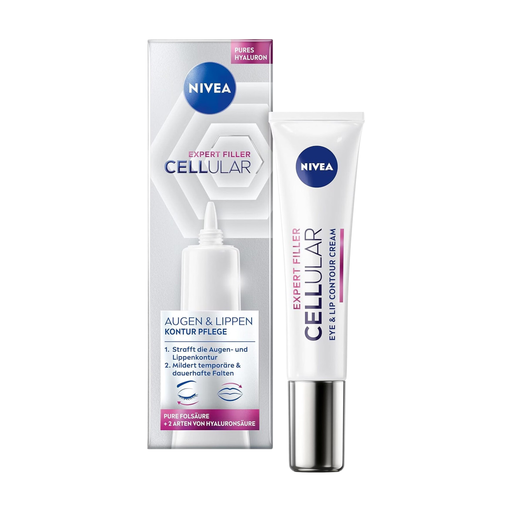
Why This Fits Their Persona: Ideal for individuals aged 30+ who are noticing the first dehydration lines and are looking for a reliable, moisturising treatment without immediately resorting to strong anti-ageing ingredients like retinol. The formula is straightforward and focused on a clear goal: intensive hydration.
This product doesn't promise an unrealistic instant effect but relies on the proven ingredient hyaluronic acid to sustainably moisturise the skin and plump up fine lines. It focuses on a core function rather than vague "one-size-fits-all" promises.
According to the manufacturer, the formula combines micro and macro hyaluronic acid to work on both the surface and in deeper skin layers. The treatment is also suitable for the eye and lip contour and is ophthalmologist-tested.
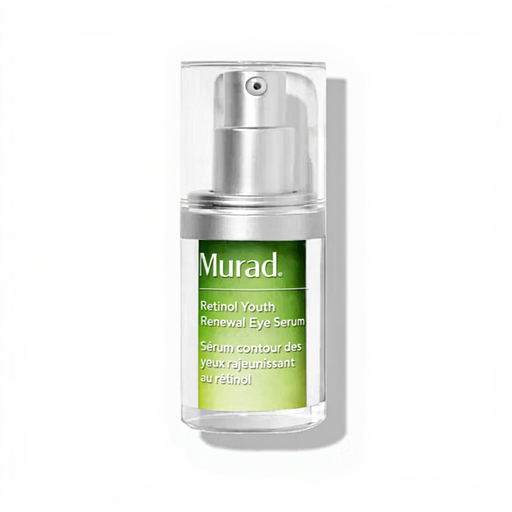
Why This Fits Their Persona: Suitable for experienced skincare users who want to specifically target pronounced wrinkles and crow's feet. This serum is aimed at users who are familiar with the high efficacy of retinol and are looking for a high-performance formulation for visible results.
Instead of relying on a single, overhyped ingredient, this serum uses Murad's "Retinol Tri-Active Technology." This combines a fast-acting retinoid, a time-released retinol, and a retinol booster to ensure high efficacy with good tolerability.
The formulation specifically targets the reduction of deep wrinkles and loss of firmness. Complementary ingredients like Swertia Flower Extract and a Marine Kelp Complex support skin elasticity and are said to provide a visible lifting effect.
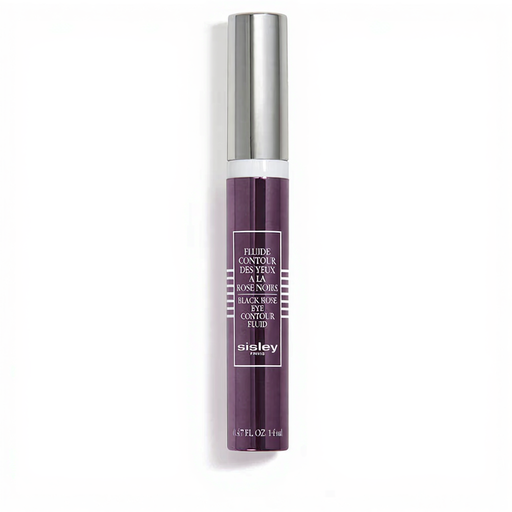
Why This Fits Their Persona: For users seeking a luxurious skincare experience who are willing to invest in a multifunctional product. It addresses multiple signs of ageing such as wrinkles, puffiness, and a tired complexion with a high-quality formulation and a special application experience.
This product avoids the "one-size-fits-all" trap by offering a complex formulation with Black Rose extracts, which are said to have revitalising, smoothing, and brightening effects. The focus is on a holistic approach supported by a well-designed application concept.
The texture transforms into a fresh gel upon application. A special feature is the cold ceramic applicator, which provides an instant cooling effect and helps reduce the appearance of puffiness and dark circles during massage.
We have compiled a complete, up-to-date list of products that fully meet these strict selection criteria and UK safety regulations.
A preventative, moisturising eye cream can be beneficial from your mid-20s to keep the skin supple. A specific anti-ageing eye cream with active ingredients like retinoids or peptides is generally recommended from age 30, or as soon as the first expression lines become visible and no longer disappear on their own.
It is generally not recommended. The skin around the eyes is much thinner and has fewer sebaceous glands, making it more prone to dryness and irritation. Eye creams are specially formulated to meet these needs. They often have a different texture and are ophthalmologist-tested to ensure they are safe for use around the eyes. Face creams can be too rich and may lead to puffiness or milia (small white cysts).
Apply a small amount (about the size of a grain of rice per eye) to your ring finger. This finger exerts the least amount of pressure. Gently pat the product along the orbital bone—that is, under the eye and below the eyebrow. Avoid rubbing or pulling, and do not apply the product too close to the lash line to prevent it from getting into your eye.