
Lieferung heute & morgen

Qualitätsgarantie

Willkommens-Angebote freischalten: KOSTENLOSE Lieferung | Bis zu 80 % RABATT | Kostenlose 30-Tage-JoyPlus-Testphase
App herunterladen
The skin around the eyes is significantly thinner and more delicate than on the rest of the face. Consequently, it's often where the first signs of ageing appear, in the form of fine lines or crow's feet. However, the search for an effective anti-wrinkle eye cream can quickly become overwhelming. Many products promise rapid results, but not all deliver on their marketing claims. To avoid a poor investment, it helps to know the most common pitfalls.
Before you make a decision, you should familiarise yourself with two common issues that often lead to unsatisfying results:
To make an informed decision, it's essential to look at the core parameters. Instead of being swayed by marketing claims, focus on the ingredients and their function.
The effectiveness of an eye cream largely depends on its active ingredients. Here are the most important groups and their functions in skincare for mature skin:
The eye area is particularly sensitive. A good eye cream should therefore be fragrance-free to minimise the risk of irritation. The texture—whether a light gel or a rich cream—should suit your skin type. Dry skin benefits from a richer formulation, while skin prone to milia (small white bumps) is better off with a lighter texture.
Choosing the right eye cream is a personal decision. We have compiled a few products based on different needs and user profiles.
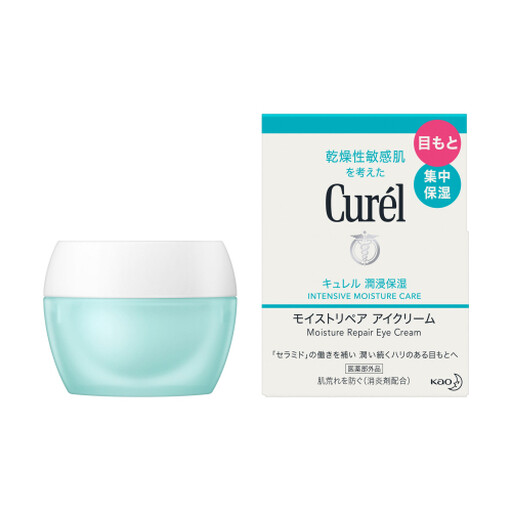
Why it's a good fit: Ideal for those looking for their first eye care product or who have very sensitive skin. The focus is on intensive hydration and strengthening the skin barrier to prevent dehydration lines, without relying on potentially irritating, highly concentrated active ingredients.
This product avoids the "miracle ingredient" focus and instead concentrates on a solid foundation: providing moisture and supporting the skin barrier with ceramide-functioning ingredients. It's a fundamental and effective strategy.
The formula contains allantoin, an anti-inflammatory ingredient that helps prevent skin irritation. Compatibility with sensitive skin is a top priority.
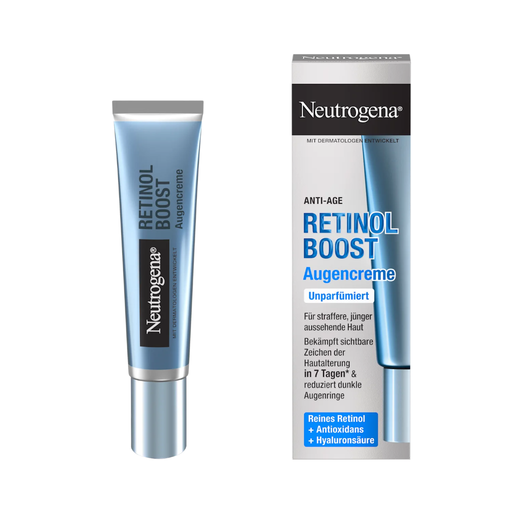
Why it's a good fit: For users who want to specifically target the first fine lines and crow's feet. The retinol-based formula is an established approach to reducing wrinkles. The product description explicitly advises a gradual introduction for retinol beginners.
The product addresses the "one-size-fits-all" assumption by clearly focusing on wrinkle reduction through retinol. It is transparent about its main active ingredient and provides clear application instructions to prevent irritation.
The combination of retinol, myrtle leaf extract, and hyaluronic acid offers a multi-dimensional approach: wrinkle reduction, antioxidant protection, and hydration. The cream is also fragrance-free.
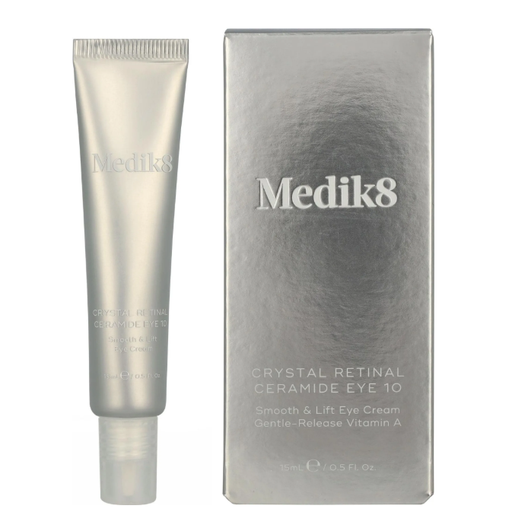
Why it's a good fit: For experienced users seeking a high-performance night treatment to combat advanced signs of ageing. The formula uses an advanced form of retinoid for visible results.
This product goes beyond simple ingredient claims. It uses encapsulated retinaldehyde, a more stable and effective precursor to retinoic acid, and combines it with skin-strengthening ceramides. This demonstrates a focus on a sophisticated, advanced overall formulation.
The combination of potent retinaldehyde for wrinkle reduction and nourishing ceramides, hyaluronic acid, and shea butter to strengthen the skin barrier and provide hydration in a single night treatment.
We have compiled a complete, up-to-date list of products that fully meet these strict selection criteria and all applicable safety regulations.
There is no fixed age. Preventative care can be beneficial starting in your mid-20s, especially if your skin is prone to dryness. At the latest, when the first fine lines become visible, usually from your early 30s, a targeted anti-wrinkle eye cream can be integrated into your skincare routine.
A rice-sized amount per eye is sufficient. Using your ring finger—which applies the least pressure—gently pat the cream along the orbital bone (the bone socket of the eye). Avoid applying the cream too close to the eye or on the mobile eyelid, and do not rub the delicate skin.
Face creams are often richer, more heavily fragranced, or contain concentrations of active ingredients that can be too intense for the thin skin around the eyes. This can lead to irritation or the formation of milia. Eye creams are specifically formulated for the needs and sensitivity of this area and are ophthalmologically tested. Therefore, using a dedicated product is generally the safer choice.