
Lieferung heute & morgen

Qualitätsgarantie

Willkommens-Angebote freischalten: KOSTENLOSE Lieferung | Bis zu 80 % RABATT | Kostenlose 30-Tage-JoyPlus-Testphase
App herunterladen
Anti-wrinkle face masks can temporarily make the skin look more hydrated, smoother and fresher. However, they are no substitute for daily skincare and cannot permanently remove age-related changes. The key consideration is therefore not an attention-grabbing marketing claim, but the combination of skin type, ingredients, fit and frequency of use.
Women and men with mature, dry or dull-looking skin can choose from various options: fabric mask, sheet mask, hydrogel mask, bio-cellulose mask or peel-off mask. Choosing carefully helps you avoid unnecessary spending and reduces the risk of finding a product unsuitable after just a few uses.
Terms such as “lifting”, “collagen”, “regeneration” or “anti-ageing” often describe a product’s positioning rather than guaranteeing a proven, lasting effect. A collagen face mask can moisturise the skin, making it look temporarily plumper. This does not mean that it demonstrably stimulates the body to produce new collagen.
A firming face mask should therefore be assessed based on verifiable information: Which ingredients does it contain? How long should it remain on the skin? Is there guidance regarding skin sensitivity and frequency of use?
Hyaluronic acid, peptides, niacinamide, plant extracts and vitamin derivatives are common ingredients in a moisturising face mask. Simply listing them, however, reveals little about their concentration, compatibility or suitability for your individual skin type.
If you have dry or sensitive skin, you should also look out for fragrances, essential oils and potentially irritating combinations of active ingredients. With a retinol face mask, gradual introduction and consistent sun protection are particularly important.
A sheet mask can contain plenty of serum, but if it creases around the nose, chin or cheeks, it will not sit evenly on the skin. Eye or mouth openings that are too large can also mean that certain areas receive little product. Hydrogel and bio-cellulose masks often fit differently from classic cellulose masks. The material and recommended application time are therefore important buying criteria.
A classic sheet mask is usually made from cellulose, viscose or a fibre blend. Bio-cellulose sits closely against the skin and can feel pleasantly comfortable. Hydrogel masks have a gel-like texture and are often supplied in upper and lower sections.
Depending on the product, the recommended wear time is usually between approximately 10 and 30 minutes. Wearing a mask for longer is not automatically beneficial. If a mask dries on the skin, it can leave the skin feeling less comfortable. Always follow the manufacturer’s instructions on the packaging and product page.
Single masks are ideal if you want to try a product first. Multipacks and bulk packs often reduce the cost per application, but this only makes sense if your skin tolerates the formula. For jars or resealable pouches, ensure that they are closed properly and stored in a dry place. Individual masks are generally intended for single use only.
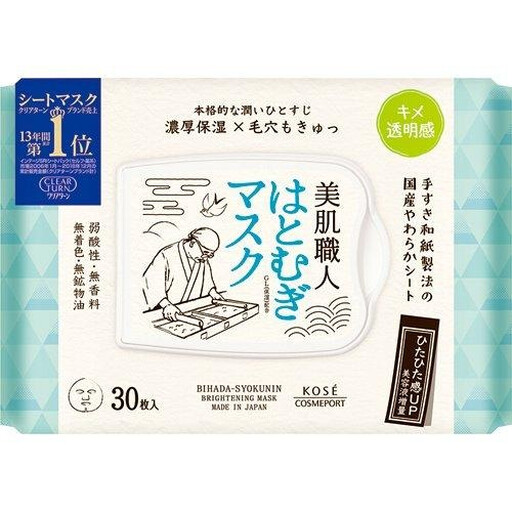
Why this product suits the profile: The pack of 30 sheet masks is ideal for shoppers looking for regular, fuss-free hydration and wishing to avoid buying individual masks.
The larger quantity makes the cost per application easier to compare. Before buying, check the shelf life and complete packaging information.
30 individual masks for repeated use; Japanese product with a shelf life stated on the packaging.
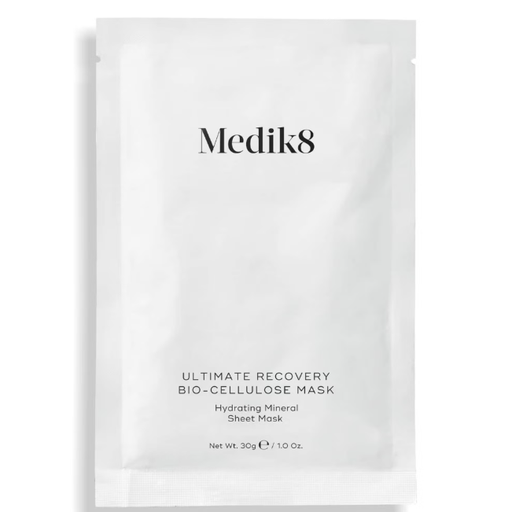
Why this product suits the profile: The bio-cellulose mask is aimed at shoppers who place greater importance on the material, ingredient list and clear usage instructions than on a large pack size.
The product description lists the material, ingredients and warnings. This makes it easier to check for alcohol, parabens, fragrances and known allergens.
Bio-cellulose material; hyaluronic acid, fucoidan extract and zinc in the stated formula.
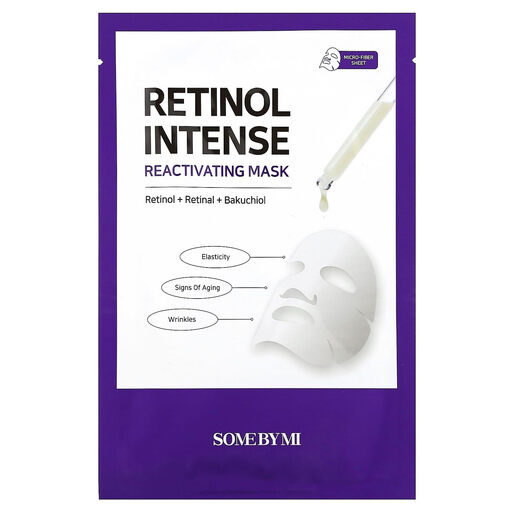
Why this product suits the profile: The pack of 30 is intended for people who prefer a regular evening routine and already know retinol or want to introduce it gradually into their skincare routine.
The information explicitly lists retinol, retinal and retinyl palmitate. This allows you to plan a gradual introduction, evening use and sun protection.
30 sheet masks; stated retinol content of 0.1 per cent in the supplied ingredients list.
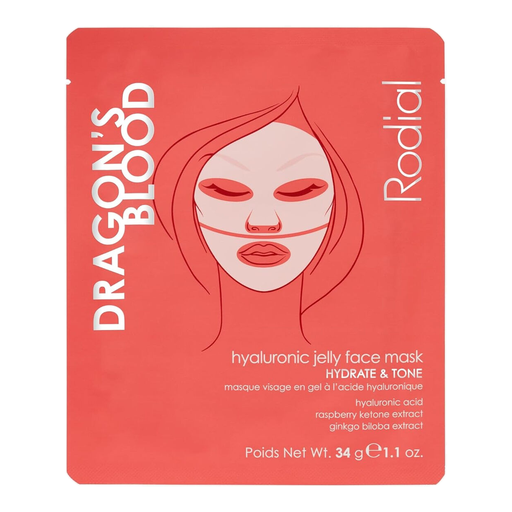
Why this product suits the profile: The hydrogel mask is ideal for shoppers who want to try a single application focused on hydration and a cooling sensation.
As a single product, there is no risk of building up unwanted stock. The ingredients list includes several forms of hyaluronic acid, but should be checked in full if you have sensitive skin.
Hydrogel technology; several stated forms of hyaluronic acid and 34 g of product.
Cleanse your face before applying the mask. Toner is optional and should fit into your existing skincare routine. Smooth the mask gently to minimise air bubbles. After the recommended time, remove it and gently pat any remaining serum into the skin. Many sheet masks do not need to be rinsed off.
If you have sensitive skin, a patch test on a small area of skin is recommended. Do not apply to wounds or inflamed or irritated skin. Stop using the product if you experience burning, swelling, persistent redness or itching. Always refer to the complete, up-to-date INCI list on the packaging.
We have put together a complete, regularly updated list of products that fully meet these strict selection criteria and the safety regulations applicable in the EU.
This depends on the formula and your skin type. Moisturising sheet masks are often used once to three times a week. Products containing retinol should initially be used less frequently. The manufacturer’s specific recommendation takes priority.
The visible effect is usually skin that looks temporarily more hydrated and smoother. How long it lasts depends on the condition of your skin, the climate and your subsequent skincare routine. A single application cannot be taken as evidence of a lasting reduction in wrinkles.
No. Price and suitability are not the same thing. Compare the ingredients, material, application time, pack size, shelf life and guidance for sensitive skin. A simply formulated hyaluronic acid mask may be better suited to dry skin than a more heavily fragranced specialist formula.