
Lieferung heute & morgen

Qualitätsgarantie

Willkommens-Angebote freischalten: KOSTENLOSE Lieferung | Bis zu 80 % RABATT | Kostenlose 30-Tage-JoyPlus-Testphase
App herunterladen
Finding the right anti-wrinkle serum can be a challenge given the vast array of products and active ingredients. As skin matures, its structure changes, and the desire for targeted skincare for mature skin grows. This article serves as a guide to provide you with an informed basis for your purchasing decision. As a Joybuy Product Recommendation Officer, I have analysed market information to give you an objective overview of various formulations and their properties.
Choosing the right serum depends on several factors. Instead of being swayed by marketing promises, it's wise to focus on the ingredients and the specific needs of your skin.
A serum's formulation determines its primary purpose. Certain active ingredients are well-established in skincare for addressing the signs of ageing.
An anti-ageing serum should be compatible with your skin type. Those with dry skin often benefit from richer formulations with hydrating ingredients like hyaluronic acid and glycerin. For oily or blemish-prone skin, lighter, non-comedogenic, water-based serums are a great choice. For sensitive skin, products that are fragrance-free and contain soothing ingredients are ideal.
Based on ingredients and product features, we have curated a selection of serums that represent different approaches and active ingredient combinations.
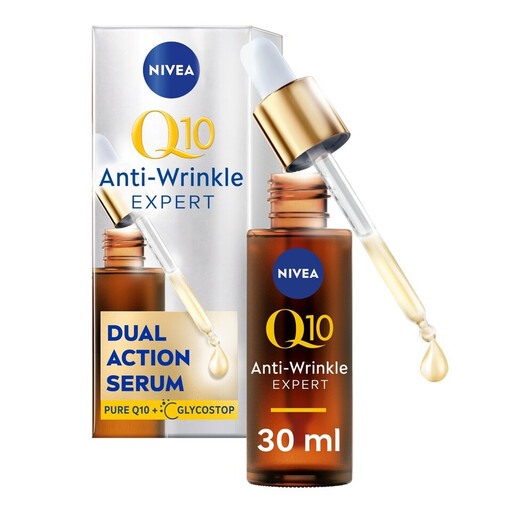
What sets it apart: This serum from NIVEA combines the skin's own coenzyme Q10 with creatine. The formulation aims to supply the skin with antioxidants and support its natural processes. It is designed to be used as a makeup base and comes from an established German brand.
Benefits:
Who it's for: For users looking for a treatment focused on the antioxidant Q10 who value a well-known brand. It is an option for those who want a straightforward addition to their daily skincare routine.
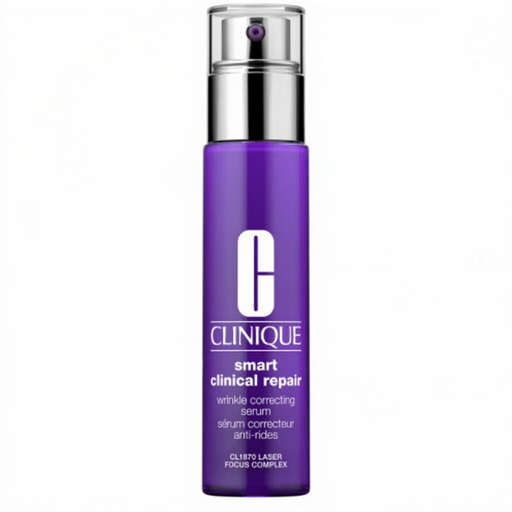
What sets it apart: This serum from Clinique takes a multi-faceted approach by combining a retinoid derivative, hyaluronic acid, and a peptide complex. The formulation is designed to address various aspects of skin ageing, such as wrinkles, moisture loss, and diminished firmness.
Benefits:
Who it's for: For users seeking a retinol serum with a complex formulation that combines multiple active ingredients. Due to the included retinoid, it is important to follow the manufacturer's application instructions, especially the recommendation for daily sunscreen use.
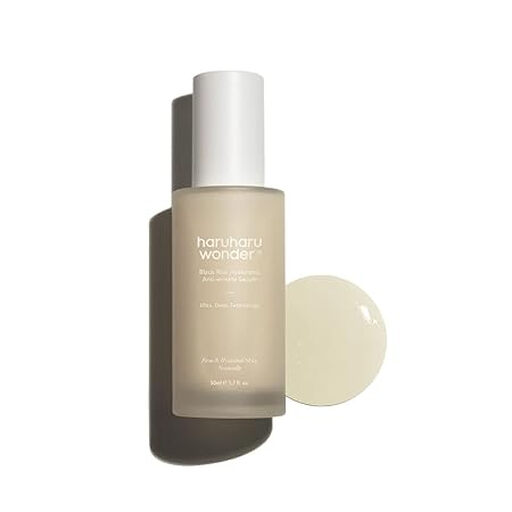
What sets it apart: This Korean serum features a formula with 95% naturally derived ingredients. It centres on fermented black rice, which is rich in antioxidants, and hyaluronic acid. Its patented liposome technology is designed to effectively deliver active ingredients into the skin.
Benefits:
Who it's for: For consumers who prefer vegan or "clean beauty" formulations and are interested in the properties of fermented ingredients. It's an excellent choice for those looking for a serum with hyaluronic acid that also offers antioxidant benefits.
If you haven't found the right product among our recommendations or are looking for a more concentrated form of care, you can find more options in our Anti-Wrinkle Ampoules category. Ampoules often contain highly concentrated active ingredients for a short-term, intensive treatment course.
1. When should you start using an anti-wrinkle serum? There is no set time, but many people start in their late 20s or early 30s when the first fine lines become visible. It can be used preventively to support the skin's structure before deeper wrinkles form.
2. Can you use a retinol serum every day? The frequency of use depends on the retinoid's concentration and your individual skin tolerance. It is often recommended to start by applying it two to three times a week and slowly increasing the frequency as your skin adapts to the active ingredient. Always follow the manufacturer's instructions and use a high-SPF sunscreen during the day.
3. What is the difference between a serum and a cream? Serums typically have a lighter, more fluid texture and a higher concentration of active ingredients. Their smaller molecules are designed to penetrate deeper into the skin. A cream is thicker and primarily serves to moisturise the skin and form a protective barrier on its surface. A serum is generally applied after cleansing and before your moisturiser.
Sincerely, Your Joybuy Product Recommendation Officer