
Lieferung heute & morgen

Qualitätsgarantie

Willkommens-Angebote freischalten: KOSTENLOSE Lieferung | Bis zu 80 % RABATT | Kostenlose 30-Tage-JoyPlus-Testphase
App herunterladen
Fine lines, dry skin and loss of firmness lead many people to search for an anti-wrinkle serum. The options range from hyaluronic acid serum to bakuchiol and retinal serums, right through to concentrated peptide or collagen formulations. However, a high price or a bold promise on the packaging says little about whether a product actually suits your skin and fits into your daily routine.
Claims such as “visible results in minutes” often refer to a short-term smoothing or film-forming effect. This is not automatically the same as a lasting change to wrinkles. With cosmetic products, you should always consider claims alongside duration of use, measurement method and skin type.
Hyaluronic acid, peptides or bakuchiol can appear on an INCI list without the concentration being clear. With a retinal serum, a specific statement like 0.01% stabilised retinal is far more informative than a vague term such as “vitamin A complex”. The position of an ingredient in the ingredients list can also give you a rough idea, but it does not replace a full product evaluation.
Fragrance, essential oils or alcohol can be relevant for sensitive skin. Retinoids such as retinal or hydroxypinacolone retinoate also require gradual acclimatisation. If you use several active products at the same time – for example, an exfoliant, a retinal serum and a heavily fragranced moisturiser – the risk of redness or tightness increases.
A collagen serum does not automatically contain collagen that works in the deeper layers of the skin. Depending on the formula, it may primarily provide hydration or form a smoothing film on the skin. The manufacturer’s information and the full ingredients list are therefore essential.
A lightweight anti-wrinkle face serum can usually be worn comfortably under a day cream. Richer gel-creams may feel more pleasant for dry or mature skin, especially in the evening. When assessing value for money, compare the price per 10 millilitres rather than just the bottle size.
Also look out for the PAO symbol – for example, “12M” for twelve months after opening – as well as the batch number and packaging details. For formulations sensitive to light or oxygen, a light-protected, airtight container is practical.
An anti-wrinkle serum is normally applied after cleansing and before moisturiser. For dry skin, applying it to slightly damp skin can be beneficial, unless the product instructions say otherwise. Introduce new products one at a time. If irritation, redness or stinging persists, stop using the product.
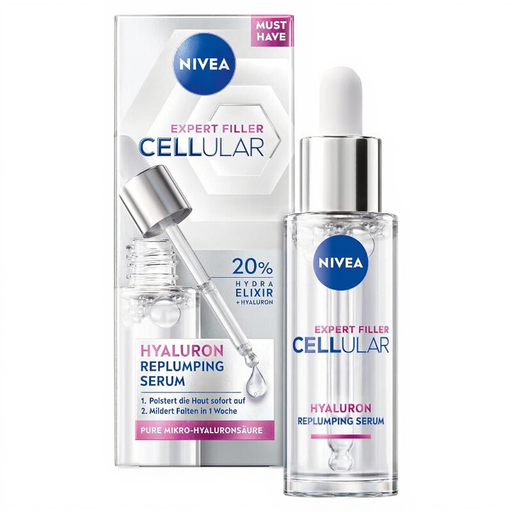
Why this product fits the profile: The 30ml formula is aimed at those looking for a straightforward hyaluronic acid serum for their morning and evening routine.
The product description clearly names the key ingredient, Sodium Hyaluronate. This allows you to focus your choice on hydration needs rather than vague instant promises.
Contains glycerin, Sodium Hyaluronate and Aloe Barbadensis leaf powder. The instructions recommend use both morning and evening.
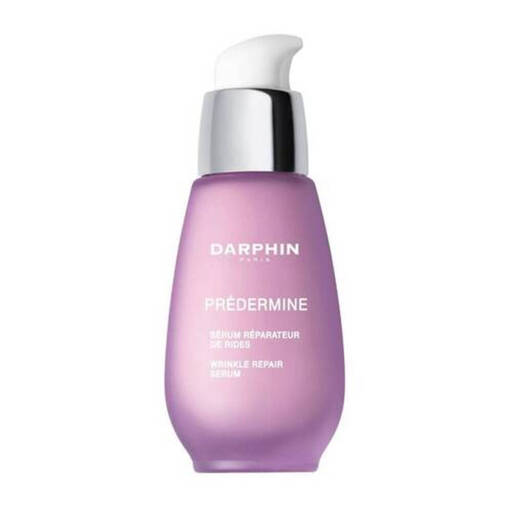
Why this product fits the profile: The formula combines several clearly named peptides with hyaluronic acid and is designed for use on both the face and neck.
The INCI list is provided in full. This means you can check the peptides, Sodium Hyaluronate, fragrances and preservatives before buying.
Contains Palmitoyl Tripeptide-1, Palmitoyl Tetrapeptide-7, Palmitoyl Hexapeptide-12 and hyaluronic acid. Can be used both morning and evening.
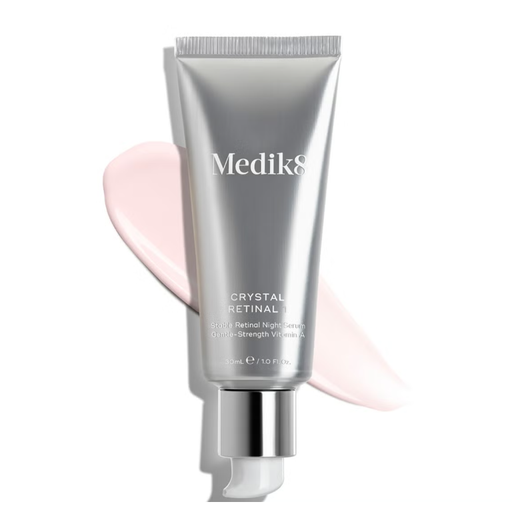
Why this product fits the profile: This serum is designed for those who want to incorporate a retinal product into a structured evening routine and build up usage gradually.
The product information states 0.01% stabilised retinal and recommends gradual introduction. This helps you avoid applying it too frequently.
Also contains glycerin, Sodium Hyaluronate and vitamin E derivatives. The instructions recommend starting with two applications per week and daily sun protection.
We have put together a full, regularly updated list of products that fully meet these strict selection criteria and the safety regulations in force in the EU.
After cleansing, a few drops or one to two pumps are usually enough for the face and neck. Then follow with a moisturiser. For a retinal serum, use it in the evening and start with longer intervals between applications. Sun protection during the day is advisable, especially with vitamin A derivatives or exfoliating ingredients.
The information on the packaging is what matters. The PAO symbol shows the recommended period of use after opening, often twelve months. If the smell, colour or consistency changes noticeably, stop using the product. Store it in a cool, dry place away from direct sunlight to help maintain its stability.
For dry skin, a fragrance-free or low-fragrance hyaluronic acid and hydrating serum with glycerin can be a good starting point. For sensitive skin, test new products one at a time and on a small area first. Retinal, acids and heavily fragranced formulations should be used less frequently as a precaution. If skin problems persist, it is worth seeking dermatological advice.