
Lieferung heute & morgen

Qualitätsgarantie

Willkommens-Angebote freischalten: KOSTENLOSE Lieferung | Bis zu 80 % RABATT | Kostenlose 30-Tage-JoyPlus-Testphase
App herunterladen
An anti-ageing cream for firmer skin should hydrate dry skin, improve how it feels and help soften the appearance of fine lines. Choosing one isn’t always straightforward: terms such as ‘lift’, ‘collagen’ or ‘rejuvenation’ are often marketing claims and, on their own, reveal little about the actual formula.
If you’re looking for a firming face cream or a face cream for mature skin, check the ingredients list, how to use it and whether it’s suitable for your skin. Three common buying misconceptions are worth bearing in mind:
In a hydrating anti-ageing cream, ingredients such as glycerin, hyaluronic acid, squalane, ceramides and plant oils often provide hydration and nourishment. They can leave skin feeling softer and help ease the tightness associated with dryness.
Peptides, such as those found in peptide creams, are often used in formulas designed to leave skin looking smoother and feeling firmer. However, their specific effects depend on the type of peptide, its concentration and the overall formula. For a collagen cream, check the INCI list to see whether it contains ingredients such as Collagen, Hydrolyzed Collagen or collagen amino acids.
Retinal and AHA acids take a different approach. Products containing retinal should generally be introduced into your routine gradually. Take particular care with a glycolic acid cream, such as MartiDerm Pro-Reg 15 Cream: AHAs can make skin more sensitive to sunlight, so use suitable sun protection during the day.
A rich cream may feel comfortable on dry or mature skin, while a lightweight gel-cream can be more practical for combination skin or in summer. Also check the amount of product in the pack:
If you plan to use it on your neck as well, the cream should feel comfortable and shouldn’t become sticky or pill quickly. Check that the manufacturer’s directions fit your routine: morning, evening or evening only.
Read the full INCI list and look for fragrance, essential oils, alcohol, acids and any ingredients you know your skin doesn’t tolerate. Claims such as ‘dermatologically tested’, ‘vegan’ or ‘non-comedogenic’ apply to the specific product and don’t replace checking how your own skin responds.
Cosmetic products are for external use only. Stop using the product if you experience redness, stinging or persistent irritation. Before applying it all over, it may be worth carrying out a patch test on a small area of skin. If your skin is sensitive or already damaged, take particular care with AHA and retinal products.
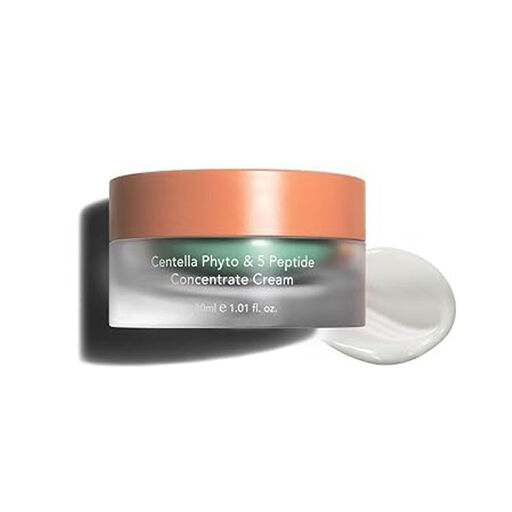
Why it suits this profile: This 30 ml cream combines five peptides with Centella asiatica, glycerin and squalane. It’s designed for straightforward use in the morning or evening, and can also be applied to the neck.
Its focus on peptides and hydration makes it a straightforward choice for beginners, without combining several potent ingredient groups at once.
Vegan and free from artificial fragrance, according to the product description; one formula for use on the face and neck.
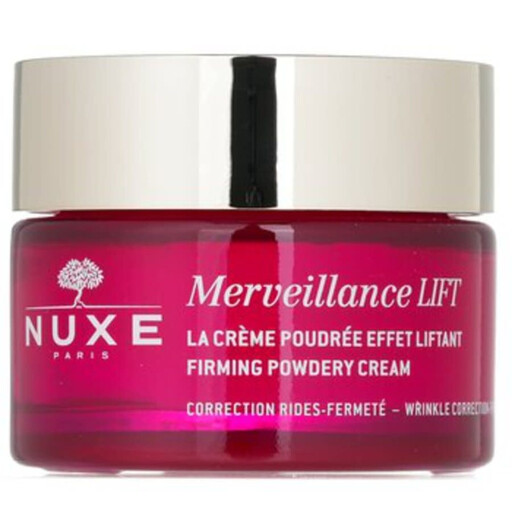
Why it suits this profile: According to the product information, this 50 ml cream has a powdery, matte texture. Squalane, glycerin and Acetyl Tetrapeptide-5 provide additional care for mature or dry skin.
The specific description of the texture helps you choose a cream based on how you want your skin to feel, rather than relying on the word ‘lift’ alone.
50 ml; according to the description, it’s designed for use on the face, neck, jawline and forehead.
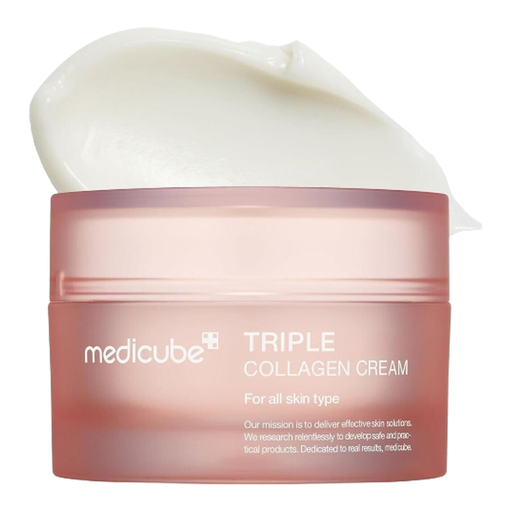
Why it suits this profile: The formula lists three types of collagen, hydrolysed elastin, niacinamide and hyaluronic acid. It’s aimed at shoppers looking for rich daily care for dry or mature skin.
Its stated focus on active ingredients is more specific than a general anti-ageing claim. However, fragrance is listed, so bear this in mind if your skin is sensitive.
50 ml; according to the product information, it combines hydrating ingredients with collagen and elastin.
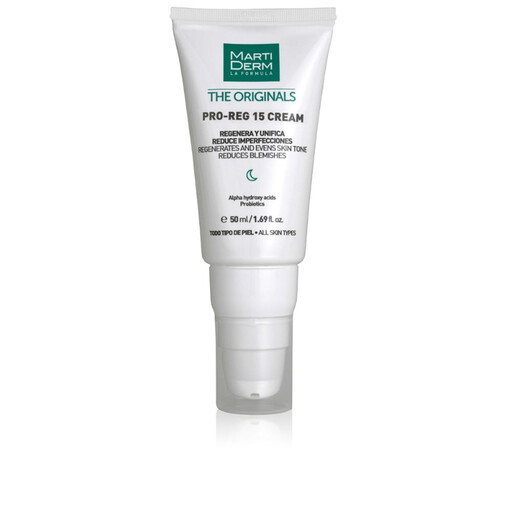
Why it suits this profile: According to the product description, this night cream contains 15% glycolic acid, collagen and tocopherol. It’s designed for those who want to add AHA skincare to their evening routine in a targeted way.
The acid concentration is clearly stated, making it easy to distinguish this product from a standard hydrating anti-ageing cream.
For evening use; contains 15% glycolic acid according to the product information. Sun protection is expressly recommended during use and for one week afterwards.
We’ve put together a complete, regularly updated list of products that meet these strict selection criteria and fully comply with the safety regulations in force in the EU.
Apply the cream to cleansed skin and follow the order of your skincare products. A simple routine could include cleansing, a serum if needed, face cream and sun protection during the day. For a firming face and neck cream, gently smooth a small amount over your face and neck.
Don’t introduce new active ingredients all at once. With peptide, PDRN or collagen formulas, start with regular use as tolerated. Introduce AHA or retinal products gradually. Always follow the product packaging, as INCI lists and directions for use may change.
It depends on the formula. Hydrating peptide or collagen creams are often used in the morning and/or evening. Use AHA or retinal products as directed by the manufacturer, starting with less frequent application.
Check the best-before date and the period-after-opening symbol on the packaging. Keep the cream closed, in a cool place and out of direct sunlight. A change in smell, colour or consistency may mean it’s time to replace it.
No. Price alone doesn’t tell you whether a cream will suit your skin or your routine. Compare the active ingredients, amount, texture, fragrance and directions for use. This will help you choose a revitalising face cream more objectively.