
Lieferung heute & morgen

Qualitätsgarantie

Willkommens-Angebote freischalten: KOSTENLOSE Lieferung | Bis zu 80 % RABATT | Kostenlose 30-Tage-JoyPlus-Testphase
App herunterladen
Fine lines, dry skin and loss of elasticity often lead people to search for a suitable anti-ageing face cream. The choice ranges from lightweight day moisturisers and rich night creams for wrinkles to specialised formulas containing retinol, hyaluronic acid, niacinamide or peptides. However, a high price or luxurious packaging says little about whether a cream suits your skin type and personal skincare routine.
Statements such as “visible results in just a few days” or “fewer wrinkles overnight” should not be viewed in isolation. Cosmetics can make the skin appear smoother and more hydrated. However, claims relating to specific timeframes often come from brand-run tests or consumer studies. If such data is relevant, the source should be clearly stated, for example: According to a clinical study by [brand] under the conditions specified.
A retinol cream may be interesting for some people, but it is not suitable for every skincare routine. Retinol can initially cause dryness, redness or a feeling of tightness. A hyaluronic acid cream also does not automatically replace protective skincare, as humectants and emollient ingredients serve different purposes.
A cream may be described as suitable for all skin types and still contain fragrances, essential oils or a very rich texture. If you have sensitive skin, it is therefore worth checking the complete INCI list. A patch test on a small area of skin can help you assess individual tolerance before applying the product more widely.
For dry or mature skin, a richer intensive moisturiser containing glycerin, shea butter, squalane, dimethicone or hyaluronic acid may feel comfortable. Lightweight gel-cream or airy textures are often more practical for combination and oily skin. The key question is whether the cream works during the day under sun protection and make-up, or whether it is intended exclusively as a night cream.
Products containing retinol are usually applied in the evening. Starting slowly with just a few applications per week can make it easier for the skin to adjust. Suitable sun protection should be part of your routine the following morning. Shelf life, batch number and the Period-after-Opening symbol can be found on the packaging and should be checked particularly carefully when using products with active ingredients.
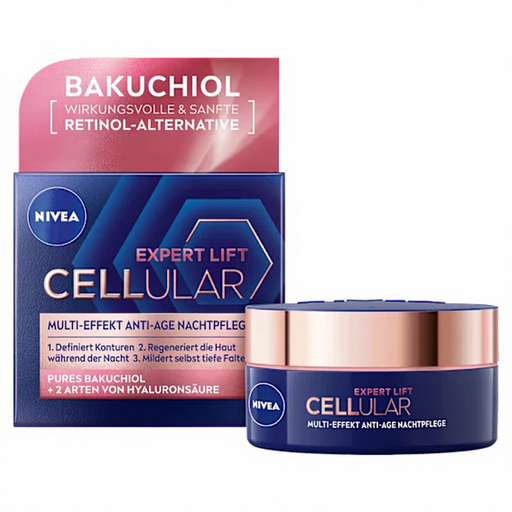
Why this product suits this profile: According to the product description, this 50ml night cream combines bakuchiol, dual hyaluronic acid, shea butter and castor oil. It is therefore suitable for people looking for a straightforward night cream for wrinkles with a richer, more nourishing feel.
The product information names the key ingredients and indicates that it is suitable for sensitive skin. Even so, you should check the current packaging information before buying.
50ml, bakuchiol and hyaluronic acid; applied in the evening as a clearly defined night cream.
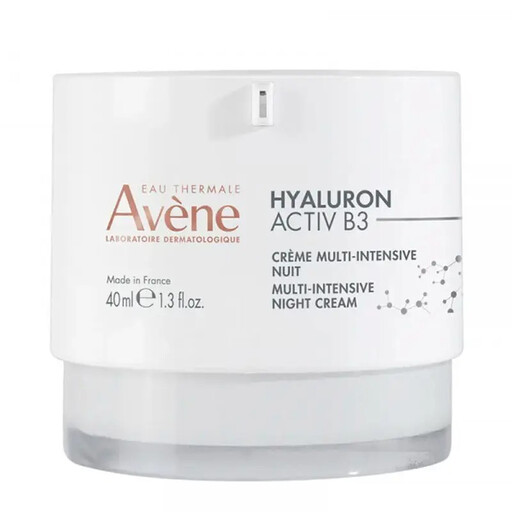
Why this product suits this profile: According to the product information, this night cream contains hyaluronic acid, niacinamide, glycerin and dimethicone. It is intended for the face and neck and is aimed at people who prefer a structured face cream for mature or sensitive skin.
This choice is based on a clearly defined ingredient profile rather than a blanket anti-ageing claim. If you have sensitive skin, a tolerance test is still advisable.
40 ml, hyaluronic acid and niacinamide; according to the product information, suitable for all skin types, including sensitive skin.
We have put together a complete, regularly updated list of products that fully meet these strict selection criteria and the safety regulations applicable in the EU.
Fragrances, essential oils and rich oils are not necessarily problematic, but they can play a role if you have sensitive skin. Your individual skin reaction is therefore more important than the label “luxurious face care”.
For dry skin, creamy textures containing glycerin, hyaluronic acid, shea butter, squalane or nourishing oils may be suitable. A night cream for wrinkles can usually be richer than a day moisturiser. The important thing is that your skin does not feel tight over time and that the cream works well with the rest of your routine.
The Period-after-Opening symbol and the best-before date on the packaging are the key points of reference. With retinol creams, you should also pay attention to light-protected storage, a tightly closed container and the specific manufacturer’s instructions.
Particularly when starting out, retinol should not be used at the same time as several other highly active products. Acids, high-dose vitamin C or mechanical exfoliants can make your routine unnecessarily intensive. Introducing it gradually, alongside sufficient moisturising care and daily sun protection, is the more straightforward approach.