
Lieferung heute & morgen

Qualitätsgarantie

Willkommens-Angebote freischalten: KOSTENLOSE Lieferung | Bis zu 80 % RABATT | Kostenlose 30-Tage-JoyPlus-Testphase
App herunterladen
If you’re looking to buy antioxidant supplements, you’ll find plenty of capsules, tablets, powders and skincare products online. Terms like “high-dose”, “plant-based” or “cell-protecting” sound convincing, but on their own they don’t tell you much about whether a product is actually right for your routine. What really matters is the declared active ingredient amount, the form it comes in, any possible interactions, and how realistic it is to take it every day.
With OPC capsules or resveratrol with quercetin, the label might state the amount per capsule, per daily serving, or an extract equivalent. These figures aren’t directly comparable. A product claiming “1000 mg” could, for example, be referring to an extract equivalent, while another lists the actual amount of plant compound it contains.
So, check the following:
High-dose vitamin C is available in various forms. One product might deliver 1000 mg or 1300 mg of vitamin C per daily serving, and also contain zinc, vitamin D or selenium. That isn’t necessarily right for everyone. If you’re already combining several supplements, you should check your total intake.
Extra caution is advisable if you have an existing medical condition, are taking medication, or are pregnant or breastfeeding. For adults, the relevant warnings on the packaging also apply. Remember, supplements are not a substitute for a balanced diet or a healthy lifestyle.
If you’re vegan or vegetarian, it’s worth looking at the full list of ingredients. Capsule shells can be made from HPMC, whereas softgels, for example, may contain gelatine. You should also consider sweeteners, allergens, carrier substances and the country of origin. With astaxanthin capsules, it’s also important to check whether the colouring comes from the microalga Haematococcus pluvialis and whether the recommended daily amount is clearly stated.
A clear label will state the specific active ingredient, the amount per serving, and the recommended daily intake. For vitamin E capsules, the form should be listed, for example D-alpha-tocopherol. With resveratrol, the term trans-resveratrol is a key piece of information. For OPC products, knowing the source of the grape extract and the extract ratio can help you make a better assessment.
Capsules are good for a fixed daily dose, while instant granules that don’t need water can be handy when you’re on the go. Fat-soluble substances like vitamin E or astaxanthin are often recommended to be taken with a meal. Always follow the manufacturer’s instructions.
Also pay attention to:
Vitamin C serum works on the skin and isn’t measured in milligrams per daily serving. What matters here is the form of the vitamin C derivative, its concentration, the packaging, usage instructions and skin tolerance. Products with antioxidants for skin and cells should not be confused with medicines. If you have sensitive skin, it’s a good idea to do a patch test; stop using the product if irritation occurs.
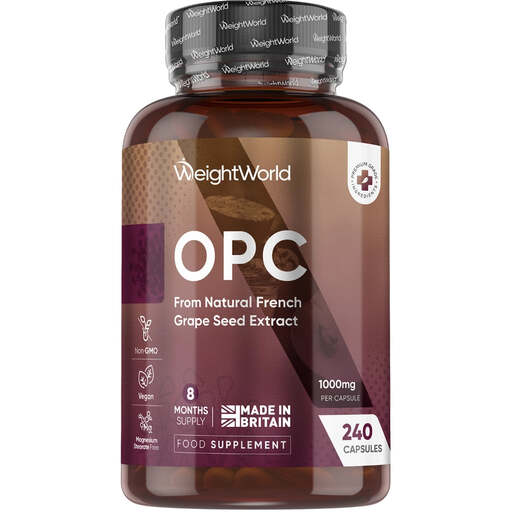
Why this product suits the profile: One capsule a day and 240 vegetarian capsules give you a clearly manageable routine without needing to take them at multiple times.
The product description states the extract ratio of 120:1 and the recommended intake of one capsule daily.
French grapeseed extract, vegan capsule shell, and labelled gluten-free, milk-free and soya-free.
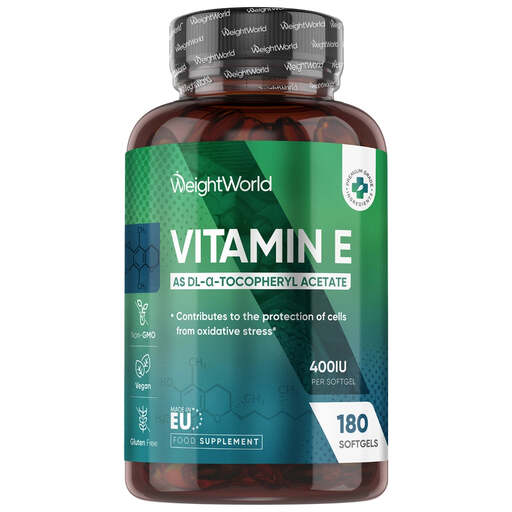
Why this product suits the profile: If you’re specifically after vitamin E rather than a multi-ingredient blend, you get a clearly named form in a single softgel capsule.
The ingredients list D-alpha-tocopherol, the amount of 400 IU, and a daily intake recommendation.
180 softgels, labelled gluten-free, milk-free and soya-free, and a clearly stated form of vitamin E.
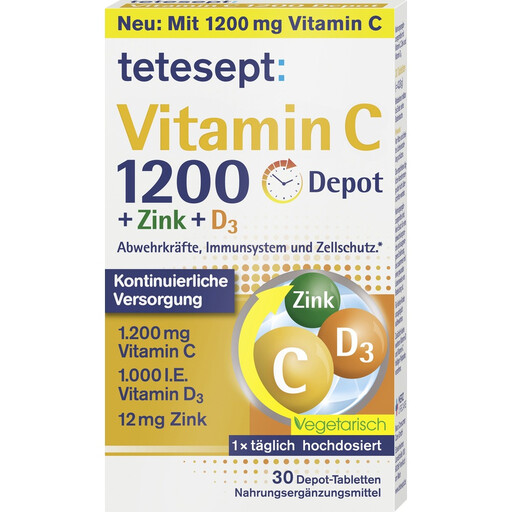
Why this product suits the profile: The combination of vitamin C, zinc and vitamin D is aimed at adults who prefer several declared nutrients in one tablet.
The daily serving of one tablet and the amounts of 1200 mg vitamin C, 12 mg zinc and 25 µg vitamin D are clearly stated.
Depot formulation, 4-week course and vegetarian form according to the product information.
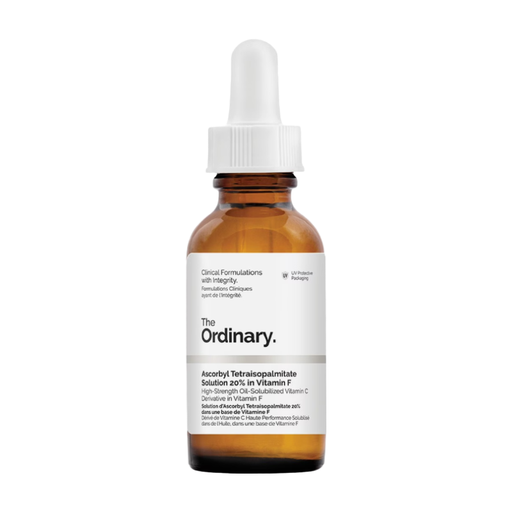
Why this product suits the profile: This oil-based skincare product is designed for people who want to incorporate vitamin C topically into their existing morning or evening routine.
The product names the derivative Tetrahexyldecyl Ascorbate at 20% and indicates it is for topical use.
30 ml bottle, jojoba oil, squalane, and application with a few drops on cleansed skin.
We’ve put together a full, regularly updated list of products that fully meet these strict selection criteria and the safety regulations in force in the EU.
That depends on the ingredient you’re after and your routine for taking it. If you want a single plant compound, options include OPC, vitamin E or astaxanthin. If you’re combining several nutrients, check for overlaps with vitamin C, zinc, vitamin D and selenium. If you follow a vegan diet, the capsule shell and any auxiliary ingredients are particularly important.
How long a pack lasts depends on the number of capsules and the recommended daily serving. 240 OPC capsules taken as one a day will last longer than 120 resveratrol capsules taken as two a day. With moringa capsules or spirulina chlorella capsules, you should also check whether three or more capsules per day are recommended.
A serum applied to the skin and an oral supplement are different product categories. You shouldn’t automatically assume that combining them is necessary. With a serum, what matters is skin tolerance, sun protection and the manufacturer’s instructions. With supplements, you need to consider multiple dosages and your own personal health factors.