
Lieferung heute & morgen

Qualitätsgarantie

Willkommens-Angebote freischalten: KOSTENLOSE Lieferung | Bis zu 80 % RABATT | Kostenlose 30-Tage-JoyPlus-Testphase
App herunterladen
A stylish ceramic vase can transform a room. Whether showcasing a fresh bouquet or standing alone as a decorative piece, it makes a statement. But the selection is vast, and not every model lives up to its visual promise. As a Joybuy Product Recommendation Officer, I'm here to filter out the noise and give you the key information you need to make an informed decision and avoid disappointment.
Many buyers have been there: the decorative vase that looked so appealing online turns out to be leaky, tips over at the slightest nudge, or the material starts to look cheap after a short time. Before you invest, you should know the three most common pitfalls.
To avoid a bad purchase, focus on three objective characteristics. These will help you judge the quality of a ceramic vase, regardless of marketing claims.
Not all ceramic is created equal. The type of clay and the temperature at which it's fired determine the density, durability, and water resistance of the final product.
Pay close attention to the material specifications. A white vase made from stoneware is generally a more durable choice than an unglazed earthenware model if you plan to display fresh flowers.
A vase's shape isn't just about aesthetics; it's also about function. A good table vase should have a solid base to safely support the weight of water and flowers.
The glaze is a thin layer of glass that is applied to the ceramic and fired. It serves two main functions: it seals the surface and gives the vase its colour and texture.
Here are a few recommendations tailored to different needs and style preferences, all of which meet the quality criteria mentioned above.

Why This Fits Their Persona: Perfect for anyone who appreciates the warm, earthy look of boho or farmhouse styles. The natural texture and colour of the terracotta material bring a sense of cosiness to any room and harmonise beautifully with dried flowers, pampas grass, or single green stems.
The material is clearly listed as terracotta (earthenware), indicating its primary suitability for dry arrangements and thus avoiding the "leak trap." Its classic, bulbous shape with a wide base ensures a stable footing.
Authentic, warm terracotta material. Stable shape, ideal for shelves, side tables, or the mantelpiece.
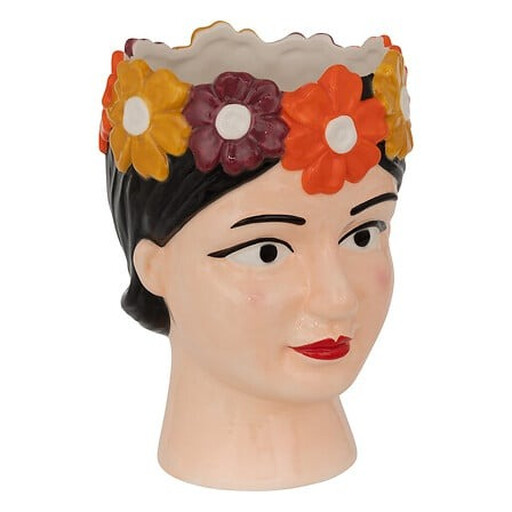
Why This Fits Their Persona: For those who see decoration as a form of personal expression. This sculptural vase is more than just a container for flowers—it's a piece of art that sparks conversation and adds a unique, creative touch to any room.
Crafted from durable stoneware, it bypasses the material trap and promises longevity. Its inherent weight and wide base provide excellent stability, even when filled with flowers.
Unique, artistic design. Durable and stable stoneware material.
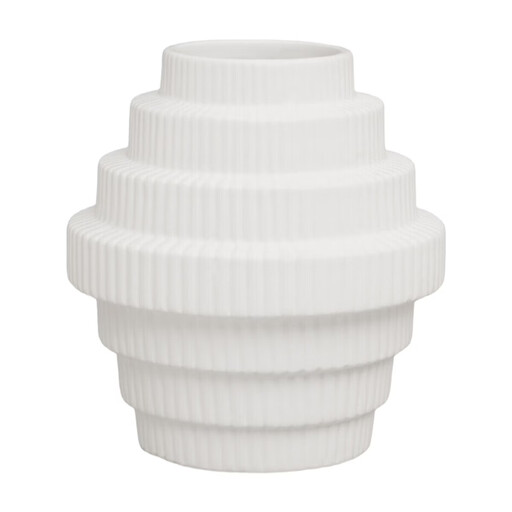
Why This Fits Their Persona: This white vase is an ideal match for a clean, modern, or Scandinavian interior style. The architectural stepped shape and ribbed texture create visual interest without overwhelming the space. It's a statement piece that works beautifully on its own or with a single stem.
Unlike many slender, modern vases that tip easily, this model's stepped design acts as a wide, stable base. This bypasses the instability trap, making it a secure choice as a table vase.
Clean, sculptural form for modern interiors. The design ensures excellent stability.
We have compiled a complete, up-to-date list of products that meet these strict selection criteria and quality standards.
No, not necessarily. Water resistance depends on the material and the glaze. Stoneware is naturally almost waterproof due to its high firing temperature. Earthenware (like terracotta) is porous and requires a seamless interior and exterior glaze to reliably hold water. Pay attention to the product description or, if in doubt, choose a vase that is explicitly labelled as waterproof.
Matte surfaces are more prone to fingerprints and stains than glossy ones. To clean, use a soft, damp cloth and, if necessary, a mild soap solution. Avoid abrasive sponges or harsh cleaning agents, as they can scratch or damage the surface. For limescale deposits inside, a mixture of water and vinegar can help.
Look at the ratio of height to base area. A vase with a wide, solid base will be more stable. A heavier weight, typical of thick-walled stoneware, also contributes to stability. When buying online, check the product dimensions and listed weight to get a sense of its proportions.