
Lieferung heute & morgen

Qualitätsgarantie

Willkommens-Angebote freischalten: KOSTENLOSE Lieferung | Bis zu 80 % RABATT | Kostenlose 30-Tage-JoyPlus-Testphase
App herunterladen
The aperitif culture—the art of starting the evening with a sophisticated drink—is enjoying a major resurgence. However, the ever-expanding selection on store shelves can make choosing the right one a challenge. Anyone looking to buy an aperitif is often faced with a dizzying array of colourful bottles and alluring names. This often leads to purchases that disappoint the palate or end up gathering dust in the cabinet. This guide will help you avoid common pitfalls and make an informed choice.
Before you order a liqueur online or buy one in-store, it's wise to understand the common marketing traps that often lead to dissatisfaction.
To find an aperitif that truly meets your expectations, you should examine three core aspects. These will help you objectively assess a product's quality and character.
The flavour profile is the most critical characteristic. Aperitifs can be broadly divided into the following categories:
A look at the label reveals a lot. Look for terms like "natural flavours" or "fruit extracts" instead of the non-specific "flavourings". The sugar content, often listed per 100 ml, gives a clue as to how sweet the drink really is. The alcohol by volume (ABV) is also crucial: Lighter aperitifs with 11–17% ABV are well-suited for afternoon drinks, while varieties over 20% ABV are more intense and are often enjoyed in smaller quantities or highly diluted.
Consider how you plan to enjoy the aperitif. Are you looking for a versatile base for various cocktails or a hassle-free solution for spontaneous occasions? Products like ready-to-freeze cocktails offer maximum convenience, whereas classic bottles allow more flexibility for your own creations.
Here are a few recommendations tailored to different profiles and use cases.
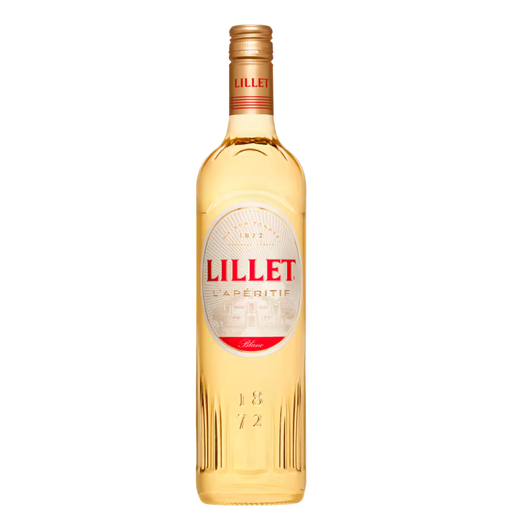
Why it's a great fit: Perfect for hosts looking for a versatile and crowd-pleasing option. Lillet Blanc is the base for numerous simple summer drinks and Spritz variations that appeal to most guests.
It bypasses the sugar trap with a balanced recipe of wines and fruit macerations, offering a pleasant sweetness without being artificially overpowering.
High versatility: Works beautifully with tonic water, soda, or as an ingredient in more sophisticated cocktails.
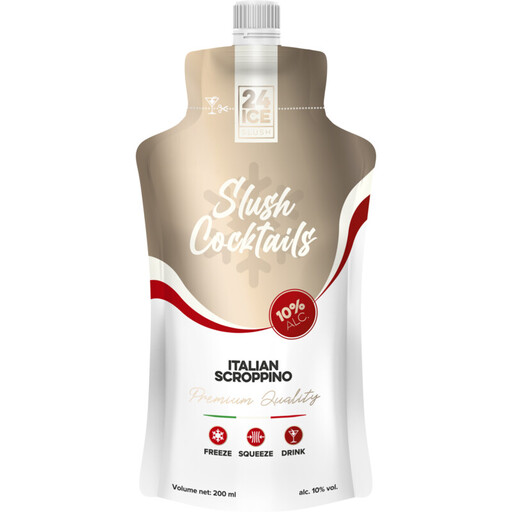
Why it's a great fit: For anyone who wants maximum convenience with zero effort. This ready-to-freeze cocktail is perfect for spontaneous get-togethers, picnics, or a relaxing evening on the balcony.
This product avoids the "ready-to-drink" trap by being a true all-in-one solution. No additional ingredients or mixers are required.
Ready to serve at 10% ABV. It delivers an authentic cocktail experience straight from the freezer, with no mixing or shaking needed.
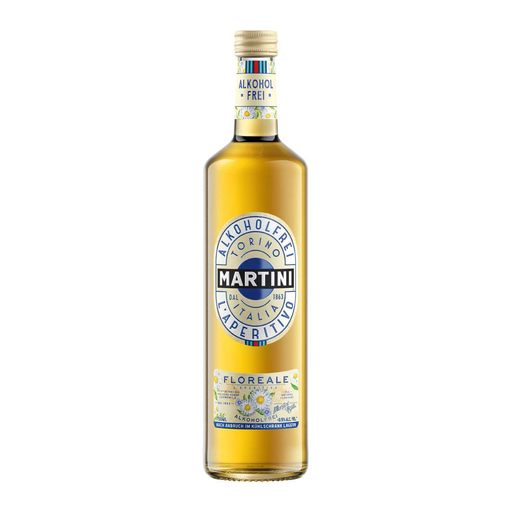
Why it's a great fit: Perfect for those who consciously avoid alcohol but still crave a complex flavour experience. A stylish alternative for designated drivers or for a light, enjoyable moment any time of day.
It sidesteps the hype-purchase pitfall by offering a clear, non-alcoholic position with a mature flavour profile, rather than just being another sugary alternative.
Complex, floral flavour profile derived from de-alcoholised wine and botanicals like Roman chamomile. A true non-alcoholic aperitif.
We have compiled a complete, up-to-date list of products that fully meet these strict selection criteria and all relevant regulations.
An aperitif is enjoyed before a meal to stimulate the appetite. It is typically light, often slightly bitter or acidic, and not overly sweet. A digestif is served after a meal to aid digestion. Digestifs are often stronger, more herbaceous (like an Amaro), or sweeter (like a cream liqueur).
The shelf life depends on the type of aperitif. Spirit-based products with a high alcohol content (e.g., Campari) can last for many months or even years when stored in a cool, dark place. Wine-based aperitifs like Lillet or vermouth should be refrigerated after opening and consumed within about four weeks, as they can oxidise and lose their flavour. Cream liqueurs often have an even shorter shelf life after opening; always follow the manufacturer's instructions.
For most Spritz variations, you just need a simple formula: 3 parts Prosecco, 2 parts aperitif, and 1 part soda water. Fill a wine glass with ice, add the ingredients, and garnish the drink. Popular garnishes include an orange slice for an Aperol Spritz, a grapefruit slice for a Rosé Spritz, or a lime wedge for fruitier versions like the Sarti Spritz. These basic cocktail ingredients provide a great foundation for many experiments.