Students who need to test on iOS
If you need Xcode and the iOS Simulator locally for a project, a Mac with a compatible version of macOS is essential. Apple Developer explains that iOS simulators are included with Xcode on macOS.


If you need to test iOS apps locally with Xcode and the iOS Simulator, you’ll need a Mac running a version of macOS that’s compatible with the Xcode version you need. Android testing is also possible on Windows or Linux desktops; what matters is your actual emulator requirements, usable hardware acceleration and having enough resources. With a mini PC, you should also check the ports and what’s included with the specific model.
If you need Xcode and the iOS Simulator locally for a project, a Mac with a compatible version of macOS is essential. Apple Developer explains that iOS simulators are included with Xcode on macOS.
If you want to use Android Studio and virtual devices on your desktop, check that your project’s requirements match the available memory, storage and usable hardware acceleration. Android Developers also describes testing with a physical Android device as an alternative to using the emulator.
If your testing setup needs to fit into a small space, the form factor matters, as do the right monitor connections and any peripherals you already own. Check the ports on the specific model.
A good fit if: you need Xcode or the iOS Simulator locally.
The trade-off: Apple says that a simulator does not fully replicate the performance and features of a real device. You may need a physical device for those tests.
A good fit if: Android development is your priority and you want a compact computer with its specification already selected.
The trade-off: Windows is no substitute for a Mac when it comes to running Xcode and the iOS Simulator locally.
A good fit if: you want to choose and set up the components and operating system yourself for Android testing.
The trade-off: A kit may not include memory, a drive or a pre-installed operating system. For running the iOS Simulator locally, it is not an equivalent alternative to Xcode on macOS.
| What you need | What to check before buying | Who should pay particular attention |
|---|---|---|
| Local iOS testing | Your project requirements and whether the required version of Xcode is compatible with macOS. | If you need Xcode locally for a course project, choosing the right Mac and macOS combination is crucial; an estimated 36% of consumers have this as their main requirement. |
| Android Emulator | Memory, SSD capacity and the requirements for graphics and VM acceleration. | If you want to run an IDE, builds and virtual devices at the same time, choose a specification to suit your project size and the number of devices running simultaneously; an estimated 29% of consumers prioritise this. |
| Space and ports | The form factor and the ports on the specific model for your screen and test devices. | If desk space is limited, you’ll need to fit the computer, power supply, monitor and cables together; an estimated 21% of consumers prioritise footprint and ports above all else. |
| A complete testing setup | Whether an operating system, memory, SSD, monitor, keyboard and mouse are included. | If you want to buy and set up as little extra equipment as possible, check exactly what’s included; an estimated 14% of consumers have this as their main requirement. |
The iOS Simulator is part of the Xcode workflow on macOS. A Windows PC doesn’t meet this requirement.
First check your course’s testing requirements, then make sure the macOS version on your Mac is compatible with the version of Xcode you need.
If your project requires local Xcode testing, you may need to buy a suitable Mac later as well.
The ASUS NUC 14 Pro kits listed may not include memory, a drive or a pre-installed operating system.
Check the parts list for the exact model before you decide.
Any missing components will need to be bought and set up separately.
Apple points out that simulators don’t fully replicate the performance and features of physical devices.
Plan to test on real devices if your project needs to check device-specific features or how they work on actual hardware.
You may need physical test devices for these checks.
The Mac mini is a compact macOS desktop for students who need to run Xcode and the iOS Simulator locally.
The ThinkCentre M75q Gen 5 Tiny is a compact Windows desktop option for an Android-focused setup.
The NUC 14 Pro range includes mini PCs and kits, with what’s included varying by model.
The Pro Mini 400 G9 is a compact, ready-to-use Windows PC; the exact part number is what matters when choosing one.
This selection includes Mac mini configurations for local Xcode and iOS Simulator testing, as well as another mini PC as a compact desktop option. For each model, check that the operating system and specification suit the testing workflow you have in mind.
 No image available
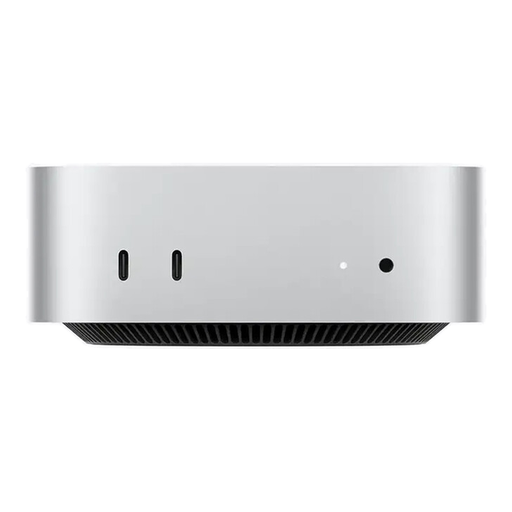
A compact macOS option if you need to use Xcode and the iOS Simulator locally.
16 GB unified memory, 256 GB SSD, Thunderbolt 4 and HDMI. According to the product description, the keyboard and mouse must be bought separately.
 No image available
A compact macOS option if you need to use Xcode and the iOS Simulator locally.
16 GB unified memory, 512 GB SSD, Thunderbolt 4 and HDMI. According to the product description, the keyboard and mouse must be bought separately.
 No image available
A compact macOS option if you need to use Xcode and the iOS Simulator locally.
24 GB unified memory, 512 GB SSD, Thunderbolt 4 and HDMI. Check your project’s storage requirements and the version of Xcode you need.
 No image available
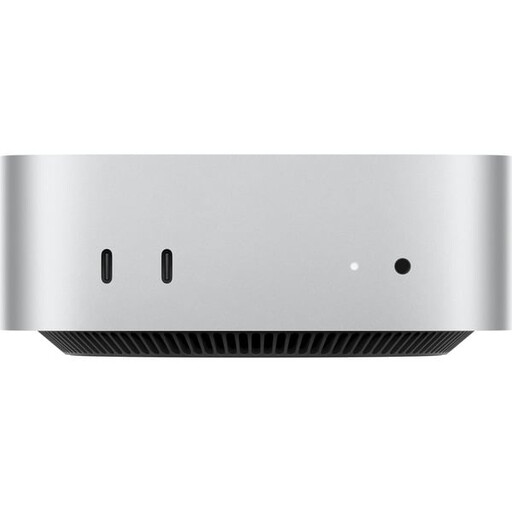
A compact macOS option if you need to use Xcode and the iOS Simulator locally.
24 GB unified memory and a 1 TB SSD. Check that the version of macOS is compatible with the version of Xcode you need.
 No image available
A mini PC option for a permanent testing setup if you’re looking for a compact design. Before buying, check that the specification of the specific model meets your development and emulator requirements.
8 GB LPDDR4, 256 GB SSD, dual HDMI, 1000M LAN, Wi-Fi 2.4G/5G and Bluetooth 5.0. According to the product description, you should use the original power supply and ensure adequate ventilation.
You need a Mac running macOS for the local Xcode workflow: Apple describes iOS simulators as part of Xcode on macOS. Before choosing a PC, check whether your course requires this exact workflow.
You can also test Android apps using a physical Android device. If you use the emulator, check the requirements for graphics and VM acceleration, and bear in mind that running several virtual devices at once requires additional resources.
No. Apple points out that simulators don’t fully replicate the performance and features of physical devices. So, if you’re testing device-specific features, plan to test on a real device too.
For consumer purchases from a business seller in the EU, the seller is generally liable by law for faults for at least two years; this is separate from any voluntary manufacturer’s guarantee. Online purchases generally come with a 14-day right to cancel. Check the terms of the specific purchase and who your contract is with.
Yes. The European Commission includes desktop computers within the scope of EU Ecodesign Regulation 617/2013. This regulation does not set a blanket minimum RAM requirement for your app-testing setup.