Which option is right for you?

Regular batch cooking

If you regularly freeze a lot of cooled compote in one go after cooking with others, storage space isn’t the only thing that matters: you also need to consider how much the appliance can freeze in that batch. The consumer advice centre and the Federal Centre for Nutrition offer guidance on appliance size and freezing food in portions.

A household with a mixed stock of frozen food

If you store other frozen foods as well as compote, plan for both the space you need and easy access to small, labelled portions. The consumer advice centre and the Federal Centre for Nutrition recommend factoring your needs and portion sizes into your plans.

Occasional compote freezers

If you only have leftovers to freeze now and then, first check whether your existing freezer compartment has enough room. This lets you weigh up the floor space and ongoing energy consumption of an extra appliance against your actual needs. The consumer advice centre warns that oversized freezers can waste energy.

What should you look for when buying?

Existing freezer compartment

A good fit if: The cooled portions fit alongside your other frozen food, and the appliance can handle the batch you want to freeze at one time.

The trade-off: You won’t need another appliance running, but you’ll be limited by the available space and freezing capacity.

Additional chest freezer

A good fit if: Regular cooking sessions or other supplies are too much for your existing freezer compartment. Compare your largest batch with the freezing capacity of the specific model.

The trade-off: More storage space takes up floor space and adds to your ongoing energy consumption.

What you need What to check before buying Who should consider this?
Freezing a fresh batch Weigh your largest cooled batch and compare it with the specific model’s freezing capacity in kg/24 h. If a cooking session with others leaves you with a lot of compote to freeze at once, freezing capacity is key; around 33 % of consumers prioritise batch capacity.
Room for your entire stock Take stock of your containers and other supplies, then compare them with the usable capacity and interior layout. If you want to store compote alongside other foods long term, available space is particularly important; around 27 % of consumers prioritise storing a mix of foods.
Finding portions again Check the baskets and access to containers stored deeper inside. Label suitable containers with their contents, quantity and date. If several people take out compote at different times, clearly separated portions can help; around 20 % of consumers prioritise organisation and access to portions.
Space and running costs Check the external dimensions against the space available, and compare suitably sized models by their annual energy consumption in kWh. If you’re placing the appliance in a cold room, check that the specific model is approved for those conditions. If you need to weigh up floor space and ongoing energy consumption carefully, compare both with your needs; around 20 % of consumers put these considerations first.

Common buying and usage challenges

  • Confusing usable capacity with freezing capacity

    Litres tell you how much storage space an appliance has, but not how much fresh food it can freeze in 24 hours. This difference matters when you have a large batch of compote to freeze at once.

    Work out how much you want to store long term and how large your biggest cooled batch will be. For every model you’re considering, check both its usable capacity and its freezing capacity in kg/24 h.

  • Leaving a large pan out until you’re ready to put everything away

    Having a shared schedule doesn’t replace the need to cool cooked food quickly. The German Federal Institute for Risk Assessment recommends cooling food to below +7 °C within a few hours. For larger quantities, it suggests using shallow dishes.

    Plan smaller portions and a safe process for cooling and putting food away while you’re cooking.

  • Assuming every chest freezer can be used in cold conditions

    Claims about suitability for low ambient temperatures apply to specific models, not automatically to every chest freezer.

    If you plan to keep the appliance in an unheated room, check the possible temperature there against the approval for the exact model you’ve chosen.

Brands to consider

Liebherr

The CFd 2085 Plus is an example from the manufacturer’s range: a 248-l chest freezer designed for use in colder rooms.

  • For this model, Liebherr lists FrostProtect for ambient temperatures as low as −15 °C, as well as SmartFrost and StopFrost to reduce frost build-up.
  • These details apply to this model. They are not an independent performance comparison or a claim about every Liebherr chest freezer.

Haier

The manufacturer’s German product range includes the HCE200C, with a 196-l capacity and energy rating C, as well as larger 319-l and 418-l models.

  • The range includes models with different usable capacities for different storage needs.
  • Usable capacity alone won’t tell you whether the freezing capacity is enough for a particular batch of compote.

Gorenje

The FH30EAW is an example from the manufacturer’s range: a chest freezer with baskets, FastFreeze and a stated suitability for use in cold rooms.

  • Gorenje states that the FH30EAW’s FreezeProtect feature works at ambient temperatures as low as −15 °C.
  • A claim about quieter inverter operation relates to internal tests on a different model. It shouldn’t be taken as an independently measured benefit of this chest freezer.

Beko

The HSA29540N is an example from the manufacturer’s range: a freestanding 284-l chest freezer with static cooling and energy rating E.

  • Beko promotes MinFrost as a way to reduce ice build-up.
  • When planning for a batch, check the freezing capacity of the specific model separately.

Chest freezers at Joybuy

This selection includes chest freezers for batches of compote and mixed food supplies. Compare freezing capacity, usable capacity and interior layout to suit your cooking and storage needs.
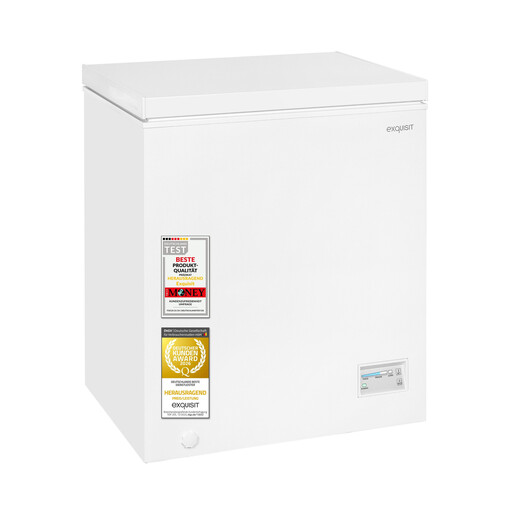
Exquisit chest freezer, 142 l, 4-star freezer compartment

Exquisit chest freezer, 142 l, 4-star freezer compartment

A removable basket is listed, making it easier to organise portions in this compact chest freezer.

142 l usable capacity; freezing capacity: 7 kg/24 h; fast-freeze function; removable basket; manual defrost system.

View at Joybuy
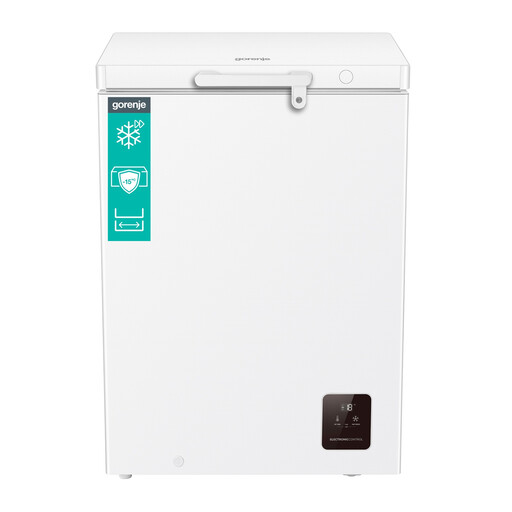
Gorenje FH15E6W5 chest freezer, 141 l

Gorenje FH15E6W5 chest freezer, 141 l

The stated approval for cold conditions may be useful if you plan to keep the appliance in a cold room. Check that it’s suitable for the conditions at your chosen location.

141 l usable capacity; freezing capacity: 8 kg/24 h; FastFreeze; flexible wire baskets; FreezeProtect down to −15 °C; defrost when ice builds up.

View at Joybuy
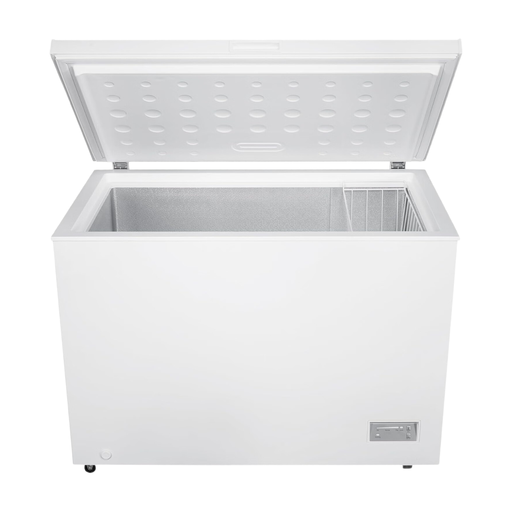
Beko CF316EWN chest freezer, 308 l

Beko CF316EWN chest freezer, 308 l

The stated usable capacity and freezing capacity can help you plan storage and new batches separately.

308 l usable capacity; freezing capacity: 16 kg/24 h; one basket; temperature alarm; manual defrost system.

View at Joybuy
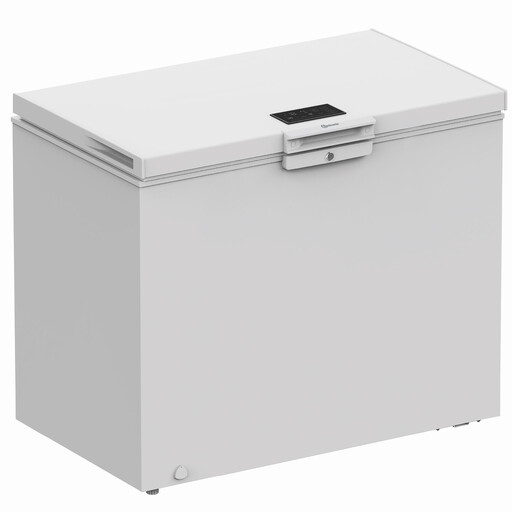
Bauknecht BGTE 250MC chest freezer, 198 l

Bauknecht BGTE 250MC chest freezer, 198 l

Two baskets can help you organise separately stored supplies. Check that the interior layout suits your containers.

198 l freezer capacity; freezing capacity: 13 kg/24 h; two baskets; Super Freezer; Multi Zone; WinterProof down to −15 °C.

View at Joybuy
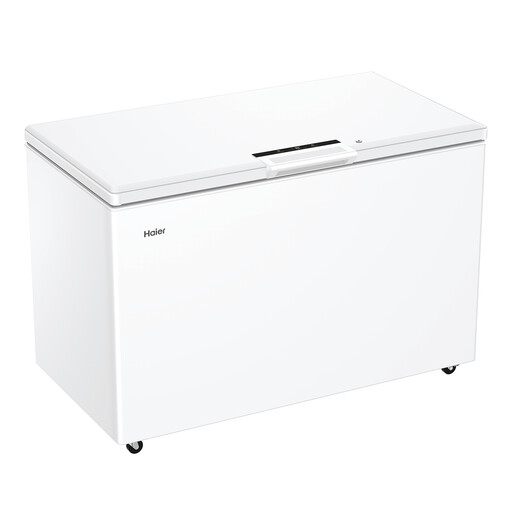
Haier HCE420D chest freezer, 418 l

Haier HCE420D chest freezer, 418 l

If you’re planning to store a large supply, compare the usable capacity and freezing capacity with the containers and batches you have in mind.

418 l usable capacity; freezing capacity: 21–24 kg/24 h; three baskets; Fast Freeze; Low Frost.

View at Joybuy

Frequently asked questions

Can you freeze cooked apple compote?

The consumer advice centre confirms that apple sauce can be frozen even after it has been bottled. Cool larger quantities quickly in smaller, shallow containers. The German Federal Institute for Risk Assessment recommends cooling food to below +7 °C within a few hours.

How can I stop compote containers from splitting in the freezer?

Use freezer-safe containers and leave room for the contents to expand if they’re liquid. For liquid foods, the consumer advice centre recommends filling containers to only three-quarters full. Also label them with the contents, quantity and date they were frozen.

How do I compare the energy consumption of two chest freezers?

First compare models that are the right size for your needs, then check their standardised annual energy consumption in kWh on the EU Energy Label. To estimate your own costs, multiply this figure by your electricity price per kWh. Actual consumption depends on how you use the appliance and where you keep it.

What labelling applies when buying a chest freezer in Germany?

EU Regulation 2019/2016 sets out the energy labelling and other product information requirements for household refrigerating appliances covered by the regulation. The label includes information such as the energy efficiency class, annual energy consumption and volume, but it doesn’t tell you whether the freezing capacity is sufficient for your particular batch of compote.

What should I do with an old chest freezer?

In Germany, waste electrical and electronic equipment must be collected separately and must not be put in household waste. It should be taken to an authorised collection point or a retailer obliged to take it back. According to the Federal Ministry for the Environment, whether an old appliance can be collected from your home when you buy online depends, among other things, on whether collection was agreed at the time of purchase.