
Lieferung heute & morgen

Qualitätsgarantie

Willkommens-Angebote freischalten: KOSTENLOSE Lieferung | Bis zu 80 % RABATT | Kostenlose 30-Tage-JoyPlus-Testphase
App herunterladen
The selection of apple drinks on the shelf is vast, ranging from pure apple juice and refreshing spritzers to flavoured water. But this variety can also lead to uncertainty. Not every product that promises a fruity experience delivers on its packaging's claims. Before you buy apple drinks next time, it's helpful to know a few common pitfalls to make an informed decision.
A frequent misunderstanding concerns the "100% fruit content" label. This designation alone says nothing about the quality or the production process. It often refers to juice from concentrate, which can differ in taste and quality from a not-from-concentrate juice. Another area is the low-calorie beverage category. Many products advertise little or no sugar but instead contain artificial sweeteners, which may not suit everyone's taste or are consciously avoided.
To find the right apple drink for your needs, a look at fundamental product characteristics is crucial. These parameters will help you objectively evaluate the quality and composition of a beverage.
The production method has a significant impact on the taste and ingredients of the juice. There are two main differences here:
A careful review of the ingredient list is essential to avoid unwanted substances.
For consumers who value sustainable agriculture, seals and origin information are important points of reference.
Based on these criteria, we have compiled a selection of products that cater to different needs and use cases.
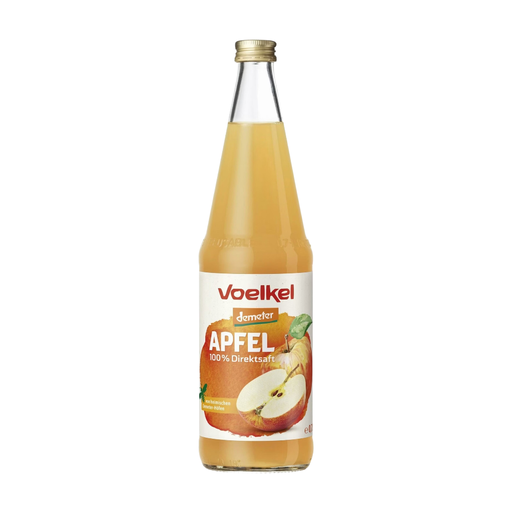
Why This Fits Their Persona: Ideal for anyone seeking an unadulterated, pure apple flavour. This product is aimed at consumers who value biodynamic farming and transparent sourcing.
As a naturally cloudy not-from-concentrate juice, this product bypasses the quality loss that can occur when making juice from concentrate. The Demeter certification guarantees high standards in cultivation.
100% fruit content from NFC juice; ingredients from biodynamic farming (Demeter).
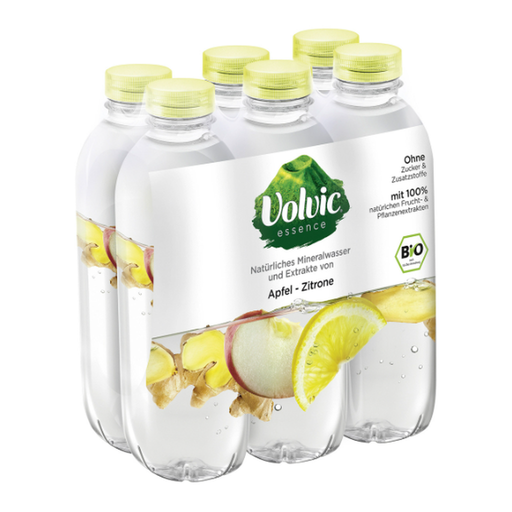
Why This Fits Their Persona: An excellent choice for athletes or for daily hydration when a light refreshment without sugar and calories is desired.
This drink avoids the trap of hidden sweeteners in "light" products. It is transparently declared as water with organic fruit extracts and contains neither sugar nor sweeteners.
No calories, no sugar, no additives; certified organic ingredients.
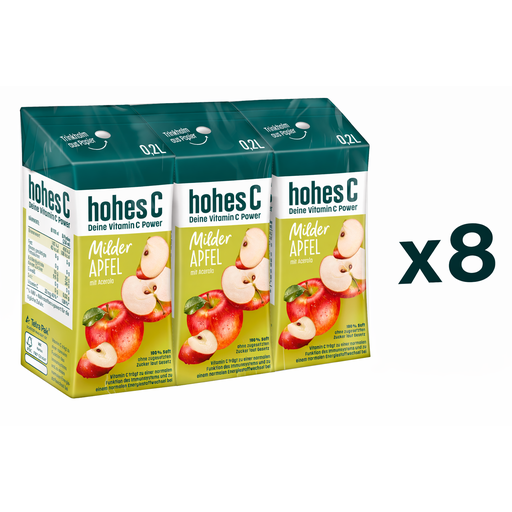
Why This Fits Their Persona: The convenient 0.2-litre packs are perfect for lunch boxes, outings, or as a controlled portion for children. The mild taste is particularly low in acid and therefore easy to digest.
This product contains no added sugar and relies on the natural sweetness of the fruit. The small portion sizes help keep sugar consumption in check.
Convenient, recyclable portion packs; mild, low-acid taste; no added sugar.
We've compiled a complete, up-to-date list of products that fully meet these strict selection criteria and German regulations.
A not-from-concentrate (NFC) juice is pressed directly from the fruit and bottled, largely preserving its original flavour. For juice from concentrate, water is removed from the juice and later added back. While this process is practical for transport, it can affect the taste and aroma of the juice.
Always read the ingredient list. Terms like sugar, glucose syrup, fructose, or fructose syrup indicate added sugar. The statement "contains naturally occurring sugars" means the sweetness comes exclusively from the fruit itself. Low-calorie apple drinks often contain sweeteners, which are also listed in the ingredients.
Once opened, apple juice, like most other apple drinks, should be stored in the refrigerator. It generally stays fresh there for about 3 to 5 days. Pay attention to the manufacturer's specific instructions on the packaging, as shelf life can vary depending on the product and type of packaging (carton, glass, or PET bottle).