
Lieferung heute & morgen

Qualitätsgarantie

Willkommens-Angebote freischalten: KOSTENLOSE Lieferung | Bis zu 80 % RABATT | Kostenlose 30-Tage-JoyPlus-Testphase
App herunterladen
As a Joybuy Product Recommendation Officer, I see every day how overwhelming the selection of apple juices can be. The shelves are filled with bottles and cartons whose labels often raise more questions than they answer. As a result, many shoppers choose the wrong product and are disappointed with the taste or quality. Before you buy apple juice online, you should understand the common pitfalls to make an informed decision.
The two most common mistakes when buying apple juice are overlooking the difference between not-from-concentrate juice and juice from concentrate, and trusting vague quality claims. A juice advertised as "100% fruit content" can still be made from concentrate, which affects its flavour and nutritional profile. Similarly, terms like "premium" or "all-natural" are often just marketing without any binding standards.
To ensure you get a product that meets your expectations, you should check three key parameters. These will help you objectively assess quality and separate marketing hype from facts.
This is the most important distinguishing feature. The choice has a direct impact on the product's taste and processing.
The visual appearance of the juice provides information about the degree of filtration.
A look at the ingredients list is essential. A pure apple juice should contain only one ingredient: apple juice. Watch out for added sugar, flavourings, or preservatives, which are permitted in fruit nectars or fruit juice drinks but have no place in a 100% juice.
For those with a sensitive stomach, a mild apple juice is recommended. This type is made from low-acid apple varieties, making it particularly gentle on the stomach. Brands like Hohes C Apple Juice specifically offer mild versions.
Based on these objective criteria, we have selected a few products from our range that are suited to different needs and preferences.
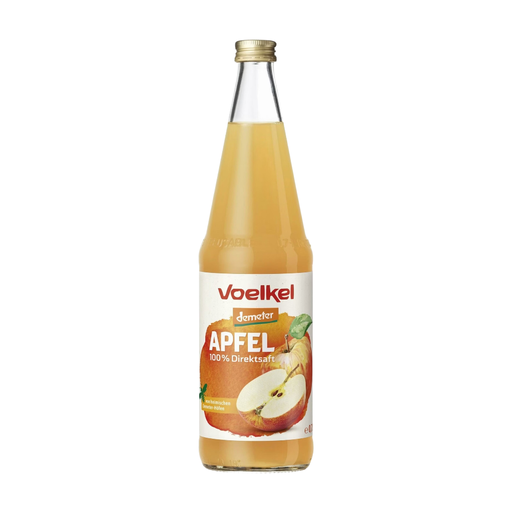
Why it's a great fit: Perfect for households that value the highest quality, sustainable farming, and an authentic taste. This juice comes from biodynamic agriculture and is gently processed.
This product is a not-from-concentrate juice, not from concentrate. The Demeter seal guarantees transparent sourcing and biodynamic farming methods, sidestepping the trap of vague quality claims.
100% not-from-concentrate juice of organic apple juice quality (Demeter) from regional cultivation. Naturally cloudy for a full-bodied taste experience.
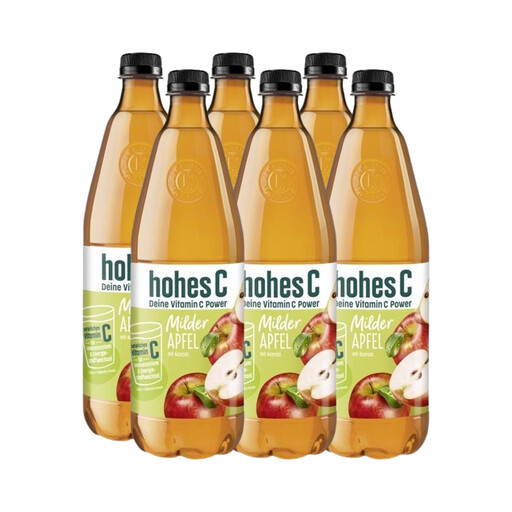
Why it's a great fit: A reliable choice for daily consumption. The bulk apple juice pack is practical for families and offices, and the mild formula is gentle on the stomach.
The label as a mild apple juice directly addresses the need for a low-acid product. Although it's from concentrate, the brand guarantees 100% fruit content with no added sugar, thus avoiding the pitfall of inferior fruit juice drinks.
Convenient bulk pack (6x1L apple juice) from an established brand. Low in acid and fortified with natural vitamin C from the acerola cherry.
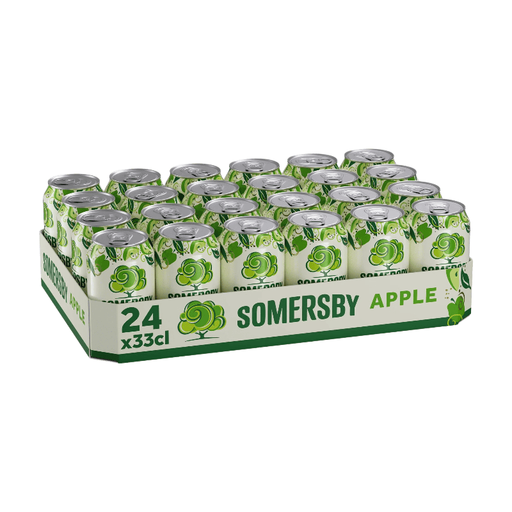
Why it's a great fit: For social gatherings or as a refreshing alternative to beer and wine. This apple cider is a carbonated, fermented fruit beverage.
The clear declaration as "cider" and "fermented fruit beverage" prevents any confusion with pure fruit juice. It is a distinct product for a specific occasion.
Light and refreshing with 4.5% alcohol content. Conveniently packaged in cans, perfect for on-the-go or parties.
We've compiled a complete, up-to-date list of products that meet these strict selection criteria.
A not-from-concentrate juice is pressed directly from the fruit and then bottled. With juice from concentrate, water is removed from the original juice and later added back. Not-from-concentrate juice is generally considered to have a more authentic taste and to be less processed.
Once opened, apple juice should always be stored in the refrigerator. It will typically last for about 3 to 4 days. Pay attention to the manufacturer's specific instructions on the packaging, as shelf life can vary depending on the product and type of packaging (carton or bottle).
Cloudy apple juice contains suspended solids from the fruit's pulp and skin, which can contain valuable phytonutrients (polyphenols). Clear juice is filtered to remove these particles. From a nutritional standpoint, cloudy juice may therefore be more beneficial, but in terms of taste, it's a matter of personal preference.