
Lieferung heute & morgen

Qualitätsgarantie

Willkommens-Angebote freischalten: KOSTENLOSE Lieferung | Bis zu 80 % RABATT | Kostenlose 30-Tage-JoyPlus-Testphase
App herunterladen
Choosing a new electric toothbrush can be overwhelming given the sheer number of models and marketing promises. Many devices advertise a long list of features that often go unused in practice, unnecessarily driving up the price. As your Joybuy Product Recommendation Officer, I'll help you distinguish the important features from the superfluous ones and make an informed purchasing decision.
Before you invest, you should be aware of two common pitfalls that can lead to disappointment:
To make the right choice, you should focus on the technical fundamentals that directly impact cleaning performance.
The type of brush head movement is the core feature of an electric toothbrush. There are two main systems:
Both technologies can provide a more effective clean than a manual toothbrush when used correctly. The choice is often a matter of personal preference.
Two features have proven to be particularly useful for daily oral hygiene and should be included in any model you consider:
A rechargeable toothbrush is standard, but there are significant differences in battery and charging options. Look for a toothbrush with long battery life of at least two weeks with twice-daily use, so you don't have to think about charging constantly. Models with a USB charging port (ideally USB-C) offer extra flexibility for travel, as they are compatible with common power adapters and power banks.
Here are a few models that are well-suited for different needs based on objective features.
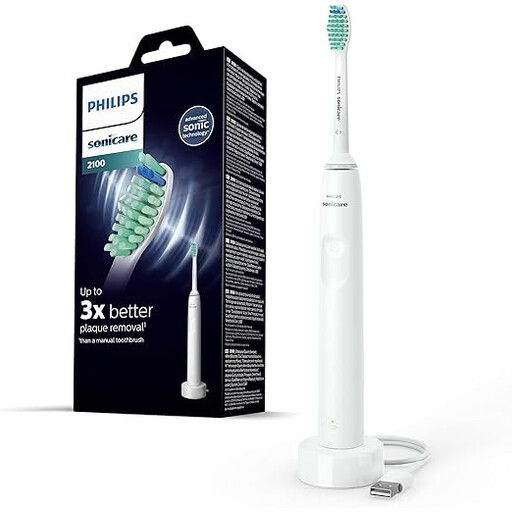
Why This Fits Their Persona: This model offers the ideal entry into sonic technology without breaking the bank. It focuses on the essential features required for improved oral hygiene compared to a manual toothbrush.
It intentionally skips a multitude of cleaning modes, offering one effective standard clean instead. This way, you don't pay for unused extras.
Built-in 2-minute timer and QuadPacer for a structured and complete clean. The proven Sonicare technology ensures thorough plaque removal.
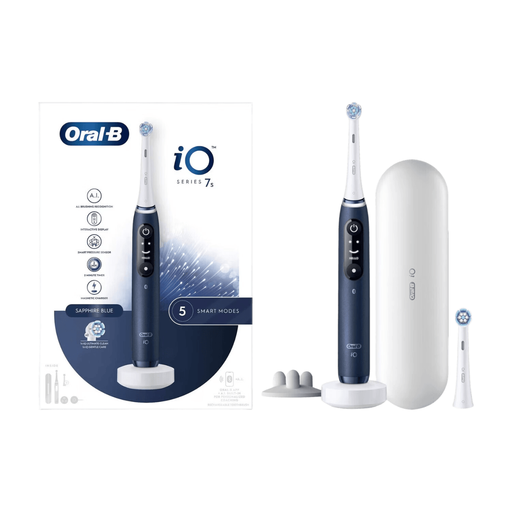
Why This Fits Their Persona: For users who want to optimise their brushing habits with data and direct feedback. The combination of a display, app connectivity, and various modes offers a customisable cleaning experience.
The five cleaning modes are not just for marketing. The interactive display and app provide concrete guidance and feedback, ensuring the features offer real added value.
The iO magnetic technology provides gentle micro-vibrations and a precise clean. The smart pressure sensor gives clear feedback via a light ring (green, white, red).
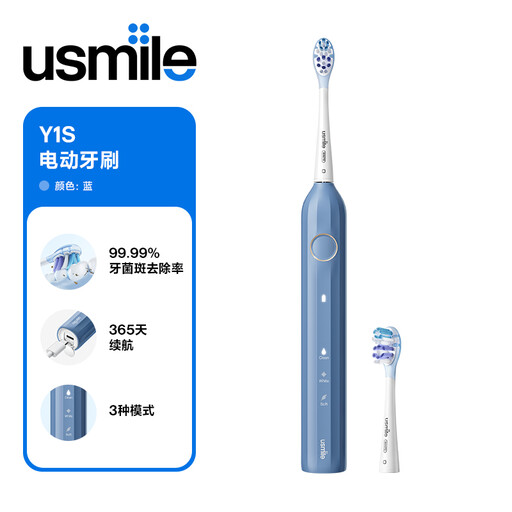
Why This Fits Their Persona: Perfect for anyone who travels a lot or doesn't want to worry about constantly charging. The extremely long battery life and included travel case make it the ideal companion.
This model decisively solves the problem of unreliable batteries. The manufacturer's claim of up to 6 months of battery life on a single charge eliminates the need to pack a charger for trips.
Extremely long battery life of up to 180 days. The three cleaning modes (Clean, Soft, Whiten) cover the most important needs without being overwhelming. Includes a travel case.
We've compiled a complete, up-to-date list of products that fully meet these strict selection criteria and German safety regulations.
A pressure sensor is highly recommended, especially for people with sensitive gums or for beginners who are still getting used to an electric toothbrush. It is proven to help prevent gum injuries and enamel wear from scrubbing too hard.
Most manufacturers recommend changing the brush head every three months. Many brush heads feature indicator bristles that fade in colour to show when it's time for a replacement. Regular replacement is important because worn bristles significantly reduce cleaning performance and can accumulate bacteria. Be sure to factor in the cost of replacement brush heads in your purchasing decision.
Yes, the most common mistake is using the wrong technique. Unlike a manual toothbrush, an electric toothbrush should be guided slowly from tooth to tooth without any extra scrubbing or circular motions. Let the brush do the work. Applying too much pressure is also a common problem, but this can be effectively prevented by a pressure sensor.