
Lieferung heute & morgen

Qualitätsgarantie

Willkommens-Angebote freischalten: KOSTENLOSE Lieferung | Bis zu 80 % RABATT | Kostenlose 30-Tage-JoyPlus-Testphase
App herunterladen
A new Apple Watch band is an easy way to adapt your smartwatch to your personal style or replace a worn-out band. The market offers a wealth of options that are often significantly more affordable than the original products. However, this vast selection also has its pitfalls. Many buyers realise only after a short time that their new band doesn't meet their expectations. To help you make the right choice, we'll highlight the most common problems and show you which criteria truly matter.
The decision for a replacement band for the Apple Watch is often driven by design and price. In the process, technical details that are crucial for longevity and security are overlooked.
To avoid a bad purchase, you should check three key parameters. These ensure that your new band both fits correctly and functions reliably in daily use.
The most important prerequisite is compatibility with your watch model. Apple Watches come in various case sizes that have changed slightly over the years. The bands are divided into two main size categories:
Before purchasing, be sure to check the case size engraved on the back of your Apple Watch. The band's product description must explicitly list this size to ensure a secure and precise fit.
The material determines not only the look but also the durability and comfort.
Based on the quality criteria mentioned, we have compiled a selection of bands for different user profiles.
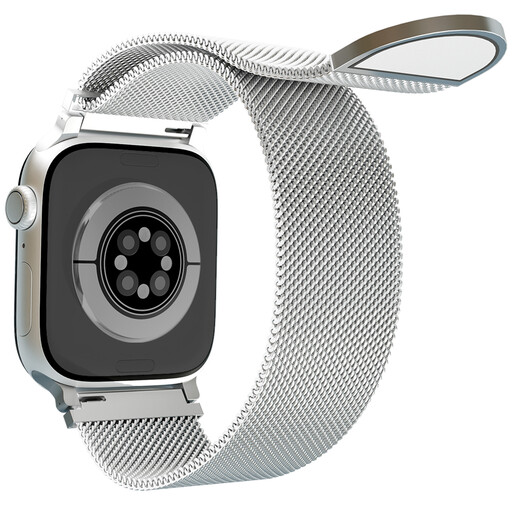
Why this band is a great fit: The classic silver stainless steel look elevates the Apple Watch, making it suitable for the office as well as for leisure. It's a timeless choice that complements any outfit.
Compatibility is clearly declared for the large cases (42/44/45/49 mm), which minimises the risk of a wobbly connection. The metal construction is more durable than coated plastic alternatives.
Classic link design with a folding clasp for a secure fit. A tool for adjusting the length is often included in the package.
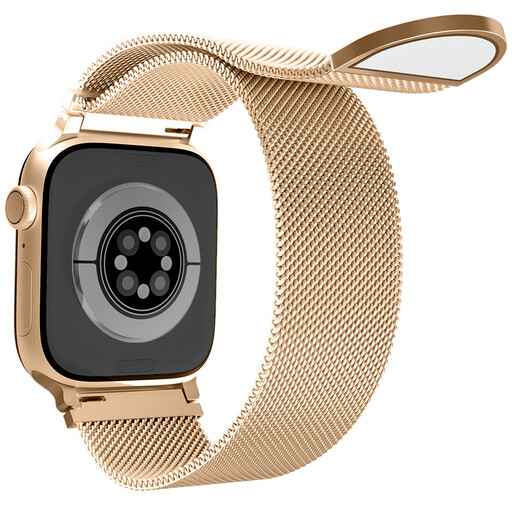
Why this band is a great fit: The rose gold colour is a fashionable choice that allows you to coordinate the watch with jewellery and other accessories. Ideal for users who want to personalise their tech.
This model is explicitly designed for the smaller case sizes (38/40/41 mm). The metal alloy provides a more durable surface than simply painted plastic, reducing the risk of the colour chipping or peeling.
Provides a cost-effective way to visually customise the Apple Watch to current colour trends without compromising on basic functionality.
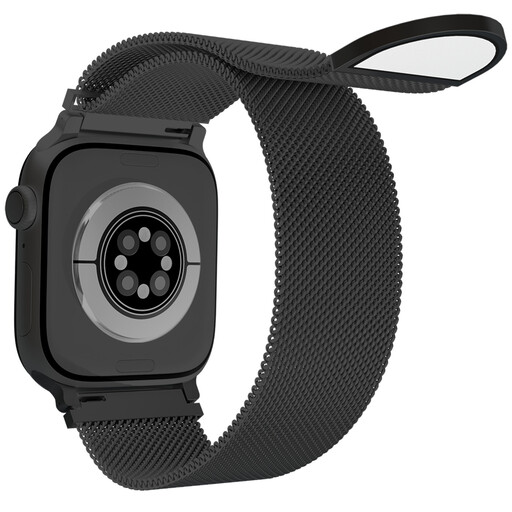
Why this band is a great fit: A black metal band is a discreet and robust all-rounder. It is durable and suits virtually any occasion, from sporty to formal.
The precise connectors for the large Apple Watch models ensure stability. The matte black coating is also often more resistant to fingerprints and minor scratches than high-gloss surfaces.
A functional and durable band for the Apple Watch that serves as a reliable everyday or replacement band.
We have compiled a complete, up-to-date list of products that fully meet these strict selection criteria and applicable safety regulations.
1. How do I ensure the band will fit my Apple Watch? The key factor is your watch's case size, which is indicated in millimetres on the back of the device (e.g., 41mm or 45mm). Compare this information with the compatibility details in the band's product description. As long as the size matches, the band is compatible with all Apple Watch generations within that size category.
2. Can I shorten a link bracelet myself? Yes, most link bracelets are designed to be shortened. They usually come with a small tool (a pin removal tool) that allows you to remove the pins from the individual links. It is advisable to proceed with care and to keep the removed links for possible future reuse.
3. What does the material "metal" mean for an Apple Watch band? The term "metal" or "metal alloy" is often a general term. For better durability and skin-friendliness, stainless steel (often referred to as "Stainless Steel" or with abbreviations like 304L or 316L) is a great choice. This material is resistant to rust and corrosion. For coloured bands, the quality of the coating is crucial for the longevity of the colour.