
Lieferung heute & morgen

Qualitätsgarantie

Willkommens-Angebote freischalten: KOSTENLOSE Lieferung | Bis zu 80 % RABATT | Kostenlose 30-Tage-JoyPlus-Testphase
App herunterladen
Authored by: Joybuy Product Recommendation OfficerDate: August 28, 2026
The idea of having navigation data directly in your field of view, tracking your performance, and recording your best moments in high quality—all while riding—is a fascinating prospect for many cyclists and outdoor enthusiasts. AR sports glasses with a camera promise to deliver just that. However, the market is flooded with products whose marketing promises often fall short in practice. Before you invest, it's crucial to understand the common pitfalls that can lead to disappointment and a costly mistake.
This guide focuses on the objective criteria that define functional and durable smart cycling glasses, helping you make the right choice for your needs.
Many technologically advanced products struggle with teething problems. For AR sports glasses, there are three main weaknesses that buyers should watch out for:
To avoid the problems mentioned above, you should base your purchasing decision on verifiable technical specifications. Here are the three most important aspects for AR sports glasses with a camera.
The quality of the display is the heart of any AR glasses with a HUD. Look for models that use waveguide display technology. This advanced method projects light directly in front of the eye, creating a brighter, higher-contrast image that remains clearly legible even in sunlight. Another key metric is the field of view (FOV), measured in degrees. A larger FOV means the displayed data occupies a wider area of your vision without requiring you to move your head significantly. An FOV of around 30° is considered a good benchmark for comfortable use while riding.
For sports glasses with a camera and GPS, recording quality and data connectivity are critical.
Smart glasses for cyclists must be robust and long-lasting.
Based on the objective criteria above, we have identified products suitable for various cycling and outdoor activity scenarios.
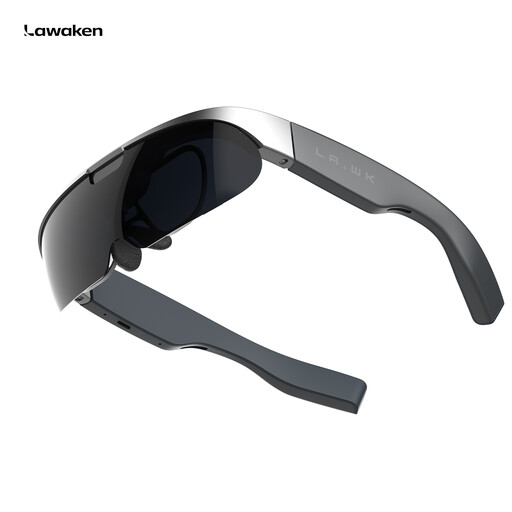
Why This Fits Their Persona: Ideal for cyclists who want to optimise their performance with real-time data visualisation, navigation, and hands-free recording, without taking their focus off the road.
The binocular waveguide display ensures good readability even in bright conditions. The specified 8-hour runtime addresses the problem of short battery life during active use.
Integrated 4K camera with a 120° wide-angle lens; compatibility with prescription lenses; open-ear audio for situational awareness.
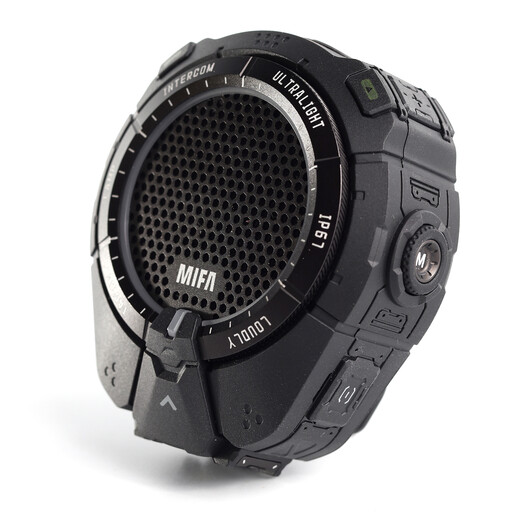
Why This Fits Their Persona: Perfect for cycling groups that need reliable communication that works independently of mobile networks—ideal for remote routes or areas with poor reception.
Instead of integrating an unreliable communication feature into a complex device, this product offers a dedicated, robust intercom solution that simply works.
Real-time communication for up to 6 people; IP67 waterproof and dustproof; lightweight at only 85g.
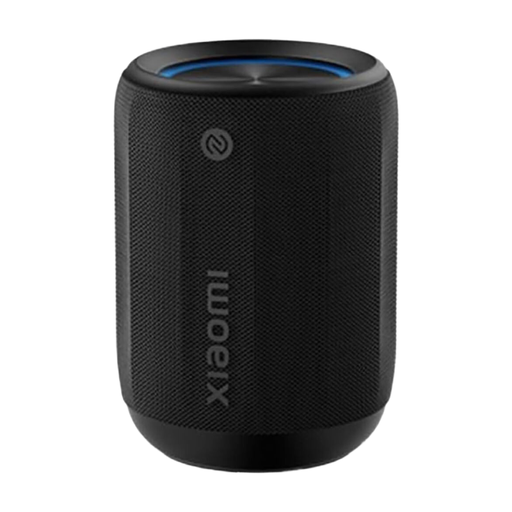
Why This Fits Their Persona: For athletes looking for a straightforward, rugged, and long-lasting audio companion for their tours, without the complexity and cost of an AR device.
This product focuses on one core function: delivering good sound in a durable package. It avoids the feature bloat and potential points of failure of more complex gadgets.
IP67 certified waterproof and dustproof; up to 11 hours of battery life; compact and lightweight design for easy transport.
We have compiled a comprehensive, up-to-date list of products that fully meet these strict selection criteria and local safety regulations.
Yes, some models are specifically designed for this. The LAWAKEN LAWK ONE, for example, is compatible with prescription lenses. This means an optician can fit appropriate lenses into the frame, so you don't have to wear an additional pair of glasses underneath. Always check the product description for "Prescription Lenses Compatible" or similar wording before purchasing.
The use of smart glasses for cyclists often falls into a legal grey area, similar to smartphone use. Generally, traffic laws stipulate that your vision and hearing must not be impaired. As long as the AR display doesn't significantly obstruct your view of traffic and you remain fully focused on the road, their use is typically not explicitly forbidden. However, you must avoid any distracting interaction with the glasses while riding.
"Open-Ear Audio" is an audio technology that transmits sound without blocking the ear canal. Unlike traditional headphones that sit in or on the ear, sound is often directed towards the ear via small speakers in the glasses' arms. The key advantage for cyclists and runners is that important ambient sounds, such as approaching vehicles, bells, or warning calls, remain audible, significantly increasing safety in traffic.