
Lieferung heute & morgen

Qualitätsgarantie

Willkommens-Angebote freischalten: KOSTENLOSE Lieferung | Bis zu 80 % RABATT | Kostenlose 30-Tage-JoyPlus-Testphase
App herunterladen
Switching from capsules or a bean-to-cup machine to a traditional Italian espresso machine is a decisive step for any coffee lover. But the market can be overwhelming. Many buyers fall into traps that lead to frustration and unnecessary expense. Before you make a decision, it's important to understand the most common pitfalls to find a machine that truly fits your needs and your kitchen.
A common issue is the "more-is-better" trap. Marketing terms like extremely high pump pressure or an overwhelming number of features often lead to the assumption that a more expensive, complex device automatically makes better coffee. In practice, however, fundamental, controllable parameters are what truly matter. Another mistake is overlooking the machine's dimensions. Many buyers only realise after unboxing that their new machine takes up too much valuable counter space. A slim portafilter machine is a necessity, not a luxury, for many modern kitchens.
To make an informed decision, it's helpful to focus on the core features that directly impact the quality of your espresso. Instead of being swayed by marketing promises, you should examine three objective criteria.
Many machines advertise a pump pressure of 15 bars or more. However, this value only describes the pump's maximum output. For optimal espresso extraction, a consistent pressure of around 9 bars at the brew head is ideal. This is where an espresso machine with a pressure gauge comes into play. The pressure gauge isn't a gimmick; it's a crucial control instrument. It displays the actual pressure during the brewing process. This allows you to precisely adjust your grind size and tamping pressure to avoid under- or over-extraction and achieve consistently great results. For beginners, it's an invaluable learning tool.
A good entry-level machine should offer flexibility. The ability to use freshly ground coffee is essential for an authentic barista experience. It gives you full control over aroma and strength. At the same time, there are days when you need things to be quick. A portafilter compatible with E.S.E. (Easy Serving Espresso) pods is a practical alternative. These pre-portioned coffee pods deliver a quick and clean result without the hassle of grinding and tamping. A machine that supports both options adapts to your daily routine.
Dimensions are a critical factor. A slim portafilter machine with a width of under 20 cm can be easily integrated into smaller kitchens without dominating the countertop. Models like the Ariete 1381 in silver prove that a compact design and full functionality are not mutually exclusive. Also, pay attention to the housing material. Components made of metal or stainless steel are not only visually appealing but also more durable and easier to clean than all-plastic casings.
Based on these objective criteria, we have identified several products suitable for different user profiles and requirements.
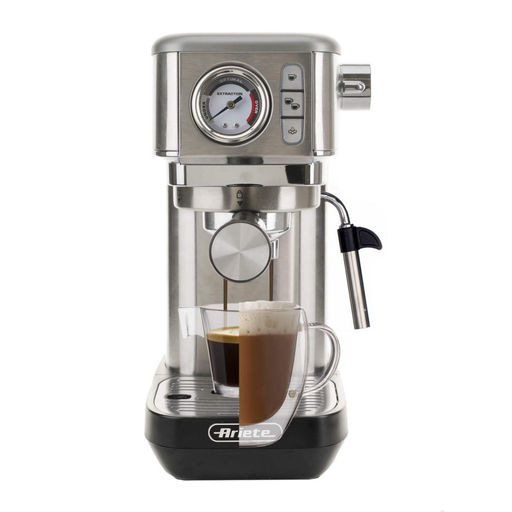
Why this model is a great fit: Ideal for anyone who wants to understand and control the brewing process. The pressure gauge provides direct visual feedback to help you learn and replicate the perfect espresso.
This model offers a professional control instrument with its pressure gauge, without exceeding the price range of an entry-level machine. Its slim design (approx. 14 cm wide) avoids the "too-big-for-the-kitchen" trap.
Visual pressure control for consistent results. Flexible use with ground coffee and E.S.E. pods. Includes a Maxi-Cappuccino wand for milk frothing.
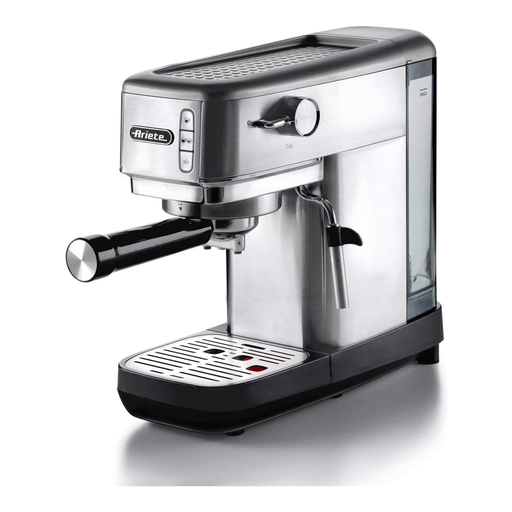
Why this model is a great fit: For users who want high-quality espresso but can do without the technical details of pressure monitoring. It offers straightforward operation with the same core functions.
This model focuses on the essential features, avoiding the trap of paying for a feature (the pressure gauge) you might not use. Its very slim design is equally space-saving.
Very compact build and simple operation. Also offers flexibility for ground coffee and E.S.E. pods, plus an automatic shut-off feature.
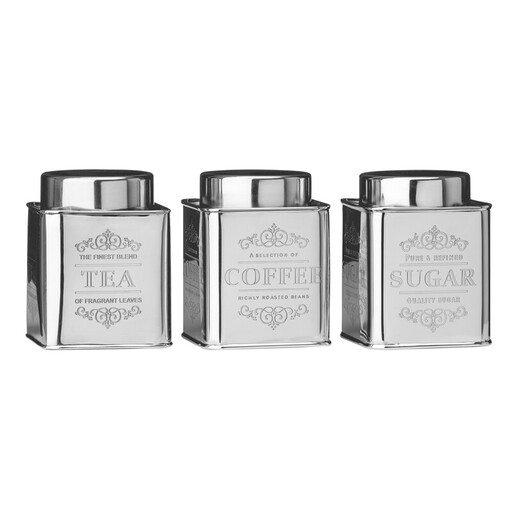
Why this accessory is a great fit: When you invest in an espresso machine, you also want a tidy and stylish coffee corner. These stainless steel canisters perfectly complement the silver design of the machines.
Prevents clutter from open coffee and sugar packages on the countertop. An organized environment makes the coffee preparation ritual more enjoyable.
Keeps coffee, tea, and sugar fresh and dry. The uniform design creates an attractive look next to the espresso machine.
We have compiled a complete, up-to-date list of products that fully meet these strict selection criteria and rigorous safety standards.
Yes, the machine is equipped with a "Maxi-Cappuccino" steam wand. This device is specially designed for frothing milk, making the unit a fully-fledged cappuccino machine for home use. The quality of the milk froth depends on the milk used (fat and protein content) and the proper frothing technique.
The basic daily cleaning is straightforward. It involves rinsing the portafilter after each use, emptying and cleaning the drip tray, and wiping the steam wand. Like any coffee machine, regular descaling is necessary to ensure its longevity and performance. The exact procedure is typically described in the manufacturer's user manual.
Machines of this type often use a Thermoblock heating system. A key advantage of this system is its short heat-up time. Typically, the machine is ready for use in just a few minutes. For precise timings, it is advisable to consult the specific information in the manufacturer's manual.