
Lieferung heute & morgen

Qualitätsgarantie

Willkommens-Angebote freischalten: KOSTENLOSE Lieferung | Bis zu 80 % RABATT | Kostenlose 30-Tage-JoyPlus-Testphase
App herunterladen
An aroma diffuser can significantly enhance a room's atmosphere by providing pleasant scents and balanced humidity. However, the market is saturated, and many devices don't live up to their promises. Instead of creating relaxation, a bad purchase often leads to disappointment. Before you make a decision, it's crucial to understand the common pitfalls that can lead to an unsatisfying experience.
This guide focuses on the objective criteria that truly matter, helping you distinguish marketing hype from practical facts. We'll highlight three common problems:
To avoid buyer's remorse, you should focus on three core technical aspects. These determine the functionality, safety, and longevity of your device.
The most common technology, and the best fit for most use cases, is the ultrasonic humidifier. This method uses high-frequency vibrations to turn water into a fine, cool mist. This mist gently transports the molecules of the essential oils into the room's air.
Advantages of Ultrasonic Technology:
Such an electric scent diffuser is therefore more than just a modern electric fragrance lamp; it's a multifunctional device for a better indoor climate.
Safety should be the top priority for a device that affects the air quality in your home. Two features are non-negotiable here:
The size of the water tank, specified in millilitres (ml), is directly related to the maximum runtime and the recommended room size.
Additional features like a timer, a remote control, or an adjustable LED light can enhance convenience but are secondary to the core criteria mentioned.
Based on the objective criteria above, we have identified some models that are well-suited for specific user profiles.
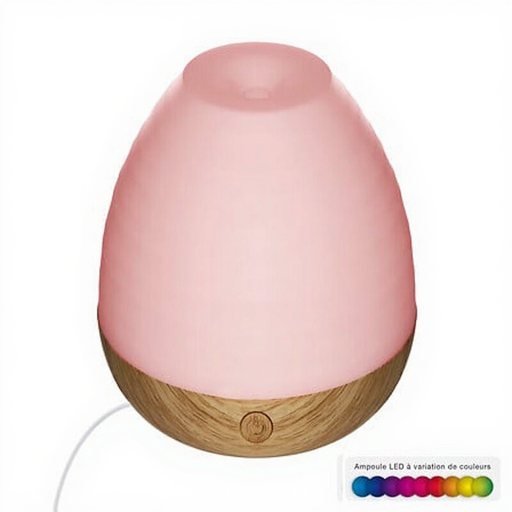
Why This Fits Their Persona: This compact model is ideal for a desk or small nooks. The USB power supply makes it flexible to use, for example, directly with a laptop in a home office. It focuses on the basic function of scenting without complex settings.
The device is clearly designed for a diffusion capacity of 5 m?. This sets realistic expectations for large rooms and avoids the 'Inadequate Performance' pitfall.
Compact design and USB connection for high flexibility. The water tank is made of antibacterial plastic (polypropylene).
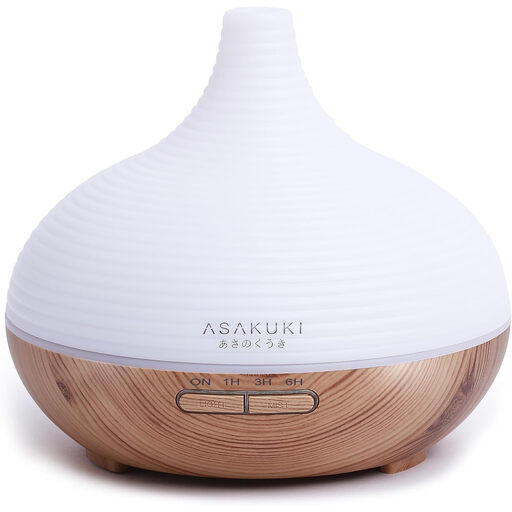
Why This Fits Their Persona: This model is designed for use in the bedroom or office. The 300 ml tank allows for a long, overnight runtime. The dimmable LED light and quiet operation support a tranquil atmosphere.
It directly addresses the 'Noise' and 'Safety' pitfalls: the ultrasonic technology ensures quiet operation, while the BPA-free material and auto shut-off feature meet safety requirements.
Combination of quiet operation, safe materials (BPA-free), and a tank size (300 ml) suitable for medium-sized rooms.
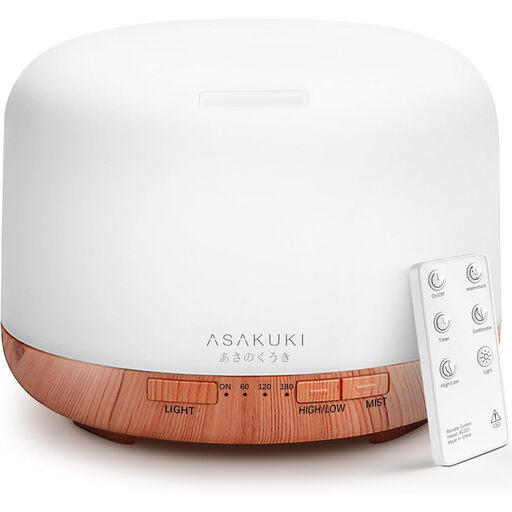
Why This Fits Their Persona: With its large 500 ml water tank, this device is designed for scenting living rooms or open-plan areas. The long runtime and remote control offer great convenience for daily use.
The 500 ml tank size is suitable for larger rooms, thus avoiding the pitfall of insufficient performance. According to the manufacturer, the operating noise is below 23 dB, which counteracts the 'Noise' issue.
Large water tank for long runtimes, remote control for convenient operation, and a timer to schedule its use.
We have compiled a complete, up-to-date list of products that fully meet these strict selection criteria and safety regulations.
For optimal performance and hygiene, regular cleaning is recommended. A simple cleaning after every 5 to 6 uses is advisable: Empty the remaining water, wipe the tank dry with a soft cloth, and remove any oil residue with a cotton swab dipped in vinegar or alcohol. Avoid harsh cleaning agents.
Yes, as long as the device has an auto shut-off feature. This function ensures that the diffuser turns itself off when the water runs out. For the bedroom, choose a model with a sufficiently large water tank (e.g., 300 ml) to last through the night, and pay attention to a low noise level.
To minimise limescale buildup in the device and extend the life of the ultrasonic element, using distilled or filtered water is ideal. Tap water can also be used, but it will require more frequent and thorough cleaning to remove limescale.