
Lieferung heute & morgen

Qualitätsgarantie

Willkommens-Angebote freischalten: KOSTENLOSE Lieferung | Bis zu 80 % RABATT | Kostenlose 30-Tage-JoyPlus-Testphase
App herunterladen
An aroma diffuser can transform your home into an oasis of calm by gently dispersing a fragrant mist. However, the market is saturated with devices that make bold promises they often can't keep. Before you make a decision, it's crucial to understand the common pitfalls that can lead to disappointment and unnecessary expense. As your Joybuy Product Recommendation Officer, I'm here to help you separate the wheat from the chaff.
Many buyers regret their decision because they fall for common marketing claims. Pay attention to these three points to avoid making a bad purchase.
To find the right scent diffuser for your needs, focus on these technical features instead of marketing buzzwords.
The most common technology, and the best suited for aromatherapy, is the ultrasonic nebuliser. It uses high-frequency vibrations to transform the water-oil mixture into a fine, cool mist. This process preserves the delicate chemical structure of essential oils, allowing their properties to be fully released. In contrast, a classic electric fragrance lamp, which uses heat, can alter the molecular composition of the oils and diminish their therapeutic effects.
Since the device nebulises water and oils that you inhale, the material of the water tank is critically important. Look for a BPA-free label, which means the plastic (usually polypropylene, PP) does not contain harmful plasticisers. Ease of cleaning is an equally important factor. Models with a wide opening and a removable lid can be effortlessly rinsed and wiped dry, preventing germ buildup.
Thoughtful controls significantly enhance convenience and safety.
Instead of making a one-size-fits-all recommendation, we have identified products that cater to different lifestyles and requirements.
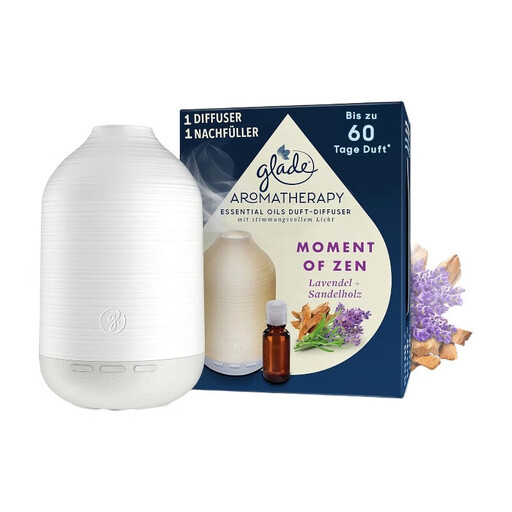
Why it's a great fit: Ideal for anyone who wants to create a pleasant room fragrance quickly and without fuss. This starter kit simply plugs into an outlet. It requires no handling of water or daily cleaning, making it an extremely low-maintenance solution.
It completely bypasses the high-maintenance trap (Pitfall 2) by using a sealed refill system with no water tank. It has no complex extra features that could perform poorly (Pitfall 1).
Delivers consistent fragrance for up to 60 days per refill (according to the manufacturer, on the lowest setting), without the need to add water or oil daily.
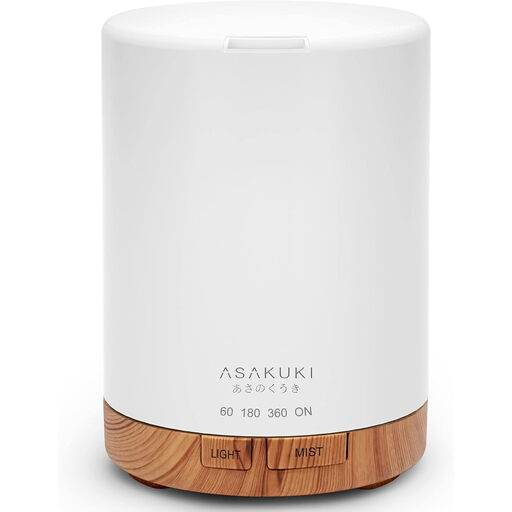
Why it's a great fit: A classic and versatile ultrasonic diffuser that combines functionality with an appealing design. It's ideal for users who want to create a specific atmosphere for yoga, meditation, or relaxation and who value control over scent intensity and light settings.
The device is made of BPA-free PP material and has an easy-to-clean 300 ml tank, addressing the hygiene trap (Pitfall 2). As a focused ultrasonic diffuser, it delivers solid performance rather than being a weak hybrid (Pitfall 1).
Combines the core functions of aromatherapy, light humidification, and mood lighting (14 colours) in one well-designed device. The auto shut-off feature ensures safe operation, even overnight.
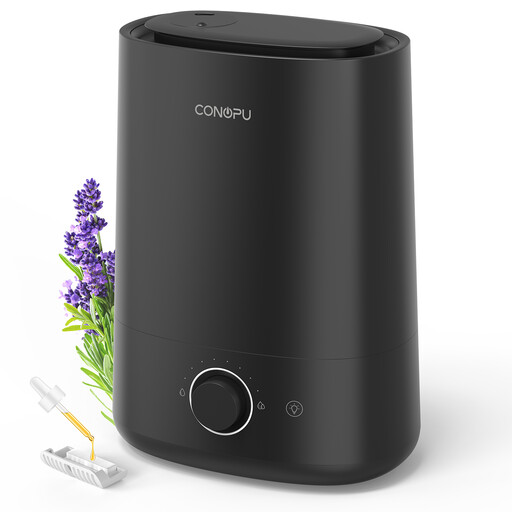
Why it's a great fit: For users who need both noticeable humidification and aromatherapy, especially in larger living rooms or bedrooms. The very large 5-litre tank is ideal for anyone who doesn't want to constantly refill the device.
It solves the capacity vs. runtime trap (Pitfall 3) with a 5-litre tank for up to 50 hours of operation. The top-fill design makes cleaning and refilling significantly easier, thus countering the maintenance trap (Pitfall 2).
Combines a powerful humidifier with an aroma function. The large tank and long runtime minimise daily effort, making it ideal for continuous operation.
A great diffuser is only half the battle. To complete your aromatherapy experience, you need the right essential oil for your diffuser. Discover our selection of oils that meet strict quality criteria.
1. How often should you clean an aroma diffuser? For optimal hygiene and performance, we recommend rinsing the water tank with clean water and drying it after each use. A more thorough cleaning with a mild detergent or a vinegar-water solution should be done about once a week to remove oil residue and any potential mineral buildup.
2. What type of water is suitable for an ultrasonic nebuliser? Using distilled or demineralised water is preferable. Tap water often has a high mineral content. These minerals can build up inside the device, damage the delicate ultrasonic membrane, and shorten the diffuser's lifespan.
3. Can an aroma diffuser also humidify a room? A standard aroma diffuser releases only a small amount of moisture into the air and cannot replace a dedicated humidifier. If your goal is to significantly increase the humidity in dry rooms, a combination device like a humidifier with an aroma function and a water tank of at least 3-5 litres is the better choice.