
Lieferung heute & morgen

Qualitätsgarantie

Willkommens-Angebote freischalten: KOSTENLOSE Lieferung | Bis zu 80 % RABATT | Kostenlose 30-Tage-JoyPlus-Testphase
App herunterladen
An aroma diffuser can significantly enhance the ambience of a room. It not only disperses pleasant scents but, as a humidifier, can also contribute to a better indoor climate, especially during the heating season. However, the market is saturated, and many devices don't live up to their promises. Before you make a decision, it's crucial to understand the common shortcomings that often only become apparent after the purchase.
This guide will show you the three most common pitfalls when buying an aroma diffuser and explain which technical features you should look for to find a suitable and durable device.
Many buyers focus primarily on design or bold marketing claims. The real problems, however, emerge during daily use.
To avoid a bad purchase, focus on objective, technical specifications. These three criteria are decisive for the performance and safety of your device.
The most common technology is the ultrasonic nebuliser. It uses high-frequency vibrations to create a fine, cool mist that distributes fragrance and moisture throughout the room. This method is energy-efficient and generally quiet. However, pay attention to the manufacturer's official decibel rating.
The size of the water tank determines how long the diffuser can operate without refilling.
A diffuser for essential oils must be made from materials resistant to the sometimes aggressive ingredients of the oils.
Based on the quality criteria mentioned, we have identified a few models that are suitable for different users and applications.
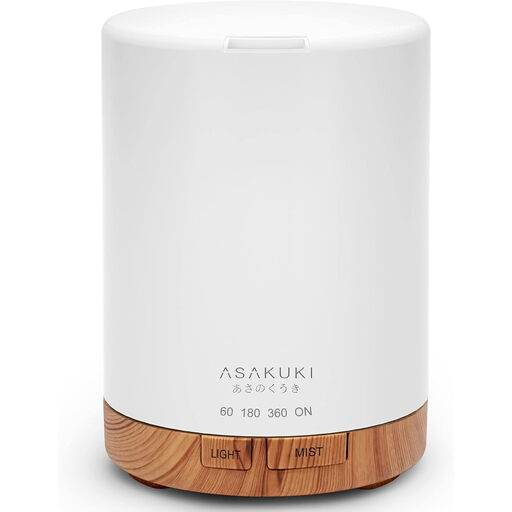
Why This Fits Their Persona: This 5-in-1 device is ideal for users seeking a multifunctional solution for their home office or bedroom. It combines aromatherapy, humidification, and mood lighting in a compact design.
According to the manufacturer, the device is made of BPA-free PP material and features an auto shut-off function, avoiding the pitfalls of poor materials and safety issues.
Combines 5 functions in one device; 300 ml tank with easy cleaning; 14 selectable LED colours to customise the atmosphere.
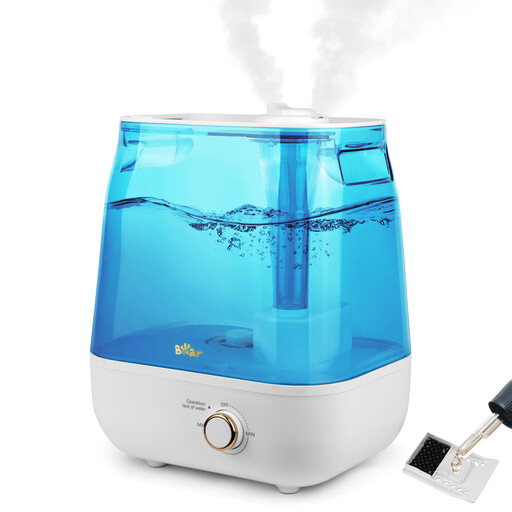
Why This Fits Their Persona: Ideal for users who need powerful humidification for large living spaces or bedrooms and don't want to constantly refill water. The aromatherapy function is an added bonus.
With an operating noise of just 28 dB (according to the manufacturer), it is extremely quiet. The large top-fill opening makes cleaning significantly easier and prevents germ build-up.
Very large 6-litre water tank for up to 35 hours of runtime; 360° rotating nozzle for even humidification; separate aromatherapy compartment.
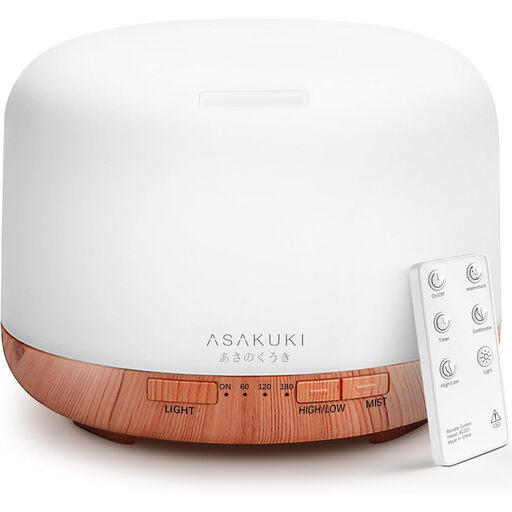
Why This Fits Their Persona: Perfect for users who value maximum convenience and undisturbed operation. The remote control and very quiet operation make it ideal for the living room or bedroom.
The manufacturer specifies an operating noise of under 23 dB, avoiding the noise trap. The BPA-free material and auto shut-off function ensure product and user safety.
Includes a remote control for convenient operation; large 500 ml tank for long runtimes; multiple mist modes and timer settings.
We've compiled a complete, up-to-date list of products that fully meet these strict selection criteria and safety standards.
1. How often should you clean an aroma diffuser? For optimal performance and hygiene, it is recommended to rinse the water tank with clear water after each use and let it dry. A more thorough cleaning, for example with a mixture of water and white vinegar, should be done weekly to prevent limescale deposits and biofilm formation.
2. Can any aroma diffuser also be used as a humidifier? Every ultrasonic nebuliser releases moisture into the air and thus acts as a small humidifier to combat dry air. However, the effect depends on the tank size and misting performance. For a noticeable increase in humidity in large or very dry rooms, a dedicated humidifier with a tank volume of several litres is more effective.
3. What oils are suitable for a diffuser for essential oils? Use only 100% pure essential oils. Synthetic fragrance oils or perfume oils are not designed for nebulisation. They can damage the device's ultrasonic membrane and may not be suitable for inhalation over long periods.