
Lieferung heute & morgen

Qualitätsgarantie

Willkommens-Angebote freischalten: KOSTENLOSE Lieferung | Bis zu 80 % RABATT | Kostenlose 30-Tage-JoyPlus-Testphase
App herunterladen
An aroma diffuser is a device that converts water and essential oils into a fine mist to scent a room and regulate humidity. The operating principle is typically based on ultrasonic diffusion, where high-frequency vibrations create a cool water vapour cloud. This technology allows for the gentle diffusion of the oils without altering their chemical structure through heat. The result is a subtle room fragrance that can be varied depending on the device and its settings.
The decision to purchase an electric fragrance diffuser should be based on objective technical parameters. The following aspects are relevant to its functionality and practical use.
The dominant technology is the ultrasonic diffuser. A piezoelectric element at the base of the device vibrates at a high frequency, atomising the water-oil mixture into microscopic particles. This method is energy-efficient and quiet, which qualifies it for use in relaxation areas like the bedroom.
Passive systems, such as crystal diffusers, offer an alternative. With these, the essential oil is dripped onto porous materials, from where it slowly evaporates into the ambient air. This method is non-electric and silent but offers lower fragrance intensity and no humidification.
The capacity of the water tank, measured in millilitres (ml), directly correlates with the maximum continuous runtime.
The choice of material affects the device's durability and safety. Polypropylene (PP) is a commonly used plastic as it is resistant to the chemical compounds in essential oils. Models declared as BPA-free are made without the use of Bisphenol A.
A key safety feature is the auto shut-off function. This feature ensures the device automatically deactivates when the water level in the tank is too low. This prevents the ultrasonic unit from overheating and increases operational safety.
The following products have been selected based on their specific technical features and use cases.
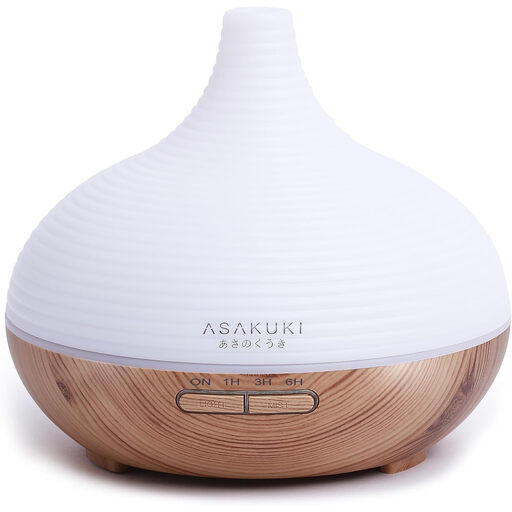
Product Analysis The Asakuki diffuser combines multiple functions in a compact design. With a 300 ml tank, it offers a good balance between device size and runtime. The ultrasonic technology ensures quiet operation. According to the manufacturer, the housing is made of BPA-free PP material.
Key Benefits
Best For This model is suitable for users looking for a versatile device for medium-sized rooms such as bedrooms, offices, or living rooms, who also value a combination of room fragrancing and ambient lighting.
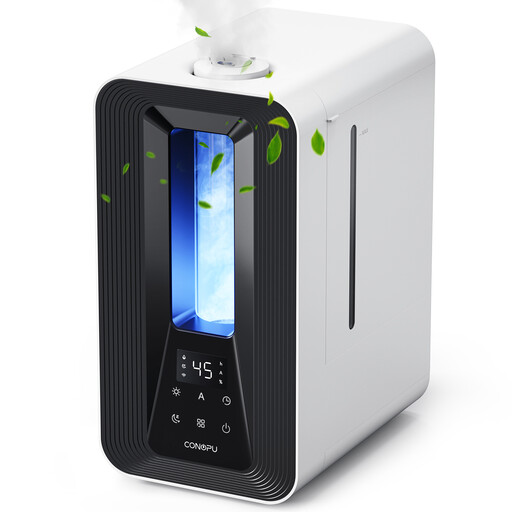
Product Analysis The CONOPU DH-JS15 is primarily designed as a high-performance humidifier with a very large 5-litre tank that also includes an aroma function. Its strength lies in its long runtime of up to 50 hours and its ability to actively control humidity in rooms up to 40 m?. Scent is added via a separate tray where an oil-infused sponge is placed.
Key Benefits
Best For This device is designed for users whose primary concern is increasing humidity in larger rooms or in very dry indoor air. The aroma function is a secondary feature here.

Product Analysis This home fragrance set is a non-electric alternative to powered devices. It uses natural crystal stones as a carrier material for essential oils. The fragrance is released through passive evaporation. The set also functions as a decorative element.
Key Benefits
Best For Ideal for those who prefer a subtle, low-maintenance, and purely decorative fragrance solution without any technical components. It is particularly well-suited for small areas like bathrooms, entryways, or as a stylish gift.
The models presented here cover specific use cases. For a broader overview of different designs, sizes, and technologies, exploring a more comprehensive product category may be useful. The range includes a variety of devices with different technical specifications and aesthetic features.
Explore more models in our Home Fragrance Diffusers category.
1. What is the difference between an aroma diffuser and a humidifier? An aroma diffuser is primarily designed to disperse essential oils into the air, with the side effect of slightly increasing humidity. A humidifier's main function is to significantly raise humidity levels and it often has a much larger water tank. Some humidifiers, like the CONOPU model, offer an additional aroma function, but their focus is on humidification performance.
2. How do you clean an ultrasonic aroma diffuser correctly? Regular cleaning is recommended for consistent performance and hygiene. After each use, the remaining water should be emptied and the tank wiped out with a cloth. A more thorough cleaning should be done once a week: fill the tank halfway with water and add a few drops of white vinegar. Let the device run for a few minutes, then empty it. Carefully clean the ultrasonic disc at the bottom of the tank with a cotton swab.
3. Can any fragrance oil be used in a diffuser for essential oils? For ultrasonic diffusers, the use of 100% pure essential oils is recommended. Synthetic fragrance oils or oils with carrier substances can leave residues that may clog or damage the sensitive ultrasonic mechanism. Always check the device manufacturer's specifications regarding suitable oil types.