Documentary nights with side seats
If several people watch from different spots on the sofa, what matters is how much the colours and contrast change at the seat furthest to the side. RTINGS assesses horizontal viewing angles on TVs.


For regular viewing from the side seats, give the tested TV’s measured horizontal viewing-angle performance more weight than the OLED or LCD label. RTINGS describes it as wide on the 65-inch LG C5 it tested, but that result doesn’t automatically apply to every size and variant. An IPS LCD can typically offer wider viewing angles than VA, but usually with lower contrast. For art documentaries, check the picture mode and reflections separately; a matte finish alone is no proof of colour accuracy.
If several people watch from different spots on the sofa, what matters is how much the colours and contrast change at the seat furthest to the side. RTINGS assesses horizontal viewing angles on TVs.
If you want to appreciate paintings and photographs as intended, check for a restrained picture mode with the source you use. According to the UHD Alliance, Filmmaker Mode disables features including motion smoothing and sharpening.
In daylight, windows and lamps can make it harder to see the picture. So, as well as the viewing angle, check for reflections where you plan to put the TV.
A good fit if: The side seats are used often and you can control the room lighting. RTINGS describes the viewing angle as wide on the 65-inch LG C5 it tested.
The trade-off: Direct light sources can reflect off the screen. You should also consider the risk of OLED burn-in if static images are displayed for long periods or repeatedly.
A good fit if: You need to accommodate side seats as well as distracting reflections from windows or lamps. RTINGS describes effective anti-reflection on the US 65-inch S95F it tested.
The trade-off: The test is of a US model number, so don’t assume the result applies to a German variant without checking. According to RTINGS, the model tested doesn’t support Dolby Vision, which matters only if you use a compatible source.
A good fit if: You prefer LCD and a good view from the side matters more than particularly deep blacks. RTINGS says IPS typically offers wider viewing angles than VA.
The trade-off: IPS typically offers lower contrast than VA. A review of the LG QNED86A6A range identifies it as IPS and criticises its contrast; check the exact size and variant.
A good fit if: You mostly watch head-on, preferably in a darker room, and prioritise contrast over the view from the seat furthest to the side.
The trade-off: VA typically has narrower viewing angles than IPS. If you regularly use side seats, only choose a specific model after checking the picture from that viewing position.
| Priority | What to check when buying | Who it matters most to |
|---|---|---|
| Consistent picture from the side | Check horizontal viewing-angle measurements for the exact model and compare the picture from the furthest side seat. RTINGS measures horizontal viewing angles on TVs. | When I watch from the seat furthest to the side, I want colours and contrast to change as little as possible. Around 36% of consumers put a consistent side view first. |
| A restrained picture | According to the UHD Alliance, Filmmaker Mode disables features including motion smoothing and sharpening. Also check whether the TV supports the HDR format used by your documentary source. | When watching paintings and photographs, I want to choose the picture processing deliberately rather than rely on a showy demonstration. Around 29% of consumers prioritise a restrained presentation of artworks. |
| Daylight and reflections | Check the screen finish and reflections where you plan to put the TV, particularly opposite windows or lamps. | When I watch during the day, I want to see the details despite incoming light. Around 21% of consumers prioritise visibility in daylight and control of reflections. |
| Power consumption and usage | Compare the EU energy label and power consumption details for suitable sizes. With OLED, also consider the possibility of permanent image retention after photos and menus have been displayed for long periods or repeatedly, as Sony Germany warns. | If power consumption or long periods of displaying a static image influence my choice, I want to weigh up the consequences in advance. Around 14% of consumers prioritise running costs or long-term usability. |
The label alone doesn’t tell you how much the colours and contrast will change at the seat furthest to the side. IPS and VA have different typical trade-offs between viewing angles and contrast.
Check the panel type of the exact model variant and look for a review of that model. Also judge the picture from your own side seat.
A matte finish can reduce distracting reflections, but it doesn’t prove that artworks will look colour-accurate in your chosen picture mode.
Check reflections and picture mode separately, and compare the image with a scene you know well.
Sony Germany warns that displaying the same images for long periods or repeatedly, including photos and menus, can lead to permanent burn-in.
If static images make up a large part of your viewing, factor this risk into your choice of TV and check the protective features of the model you’re considering.
The German C5 OLED models and the QNED86A LCD range offer different options for seating positions to the side of the screen.
The German 65-inch S95F is an OLED option if both side seating and potential reflections in the room are a consideration.
The German BRAVIA 8 II K-55XR8M2 is a QD-OLED option if you’re considering this technology and Sony’s picture processing.
The German 55OLED810/12 combines OLED with Ambilight, making it an option if the screen’s effect in the room matters too.
This selection includes LG OLED TVs in 55, 65 and 83-inch sizes; Filmmaker Mode is listed in the product details for some models. Check the side view, reflections and picture mode on the TV you’re considering.
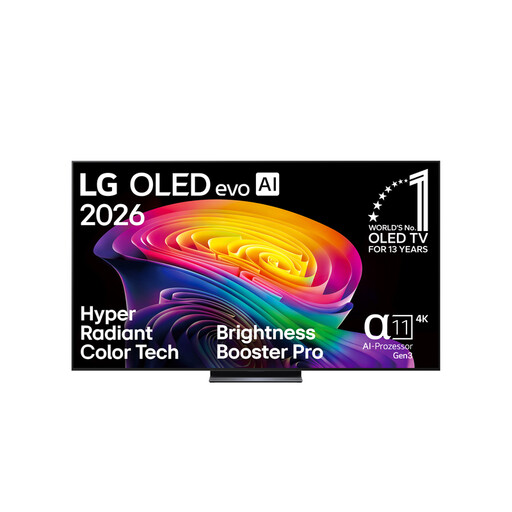 No image available
For art documentaries watched from a compatible source, the Filmmaker Mode listed in the product description is worth considering.
The product name lists an 83-inch screen, 4K, Dolby Vision and an α11 AI Processor.
With OLED, bear in mind the effect of static images displayed for long periods or repeatedly: Sony Germany warns of possible permanent burn-in.
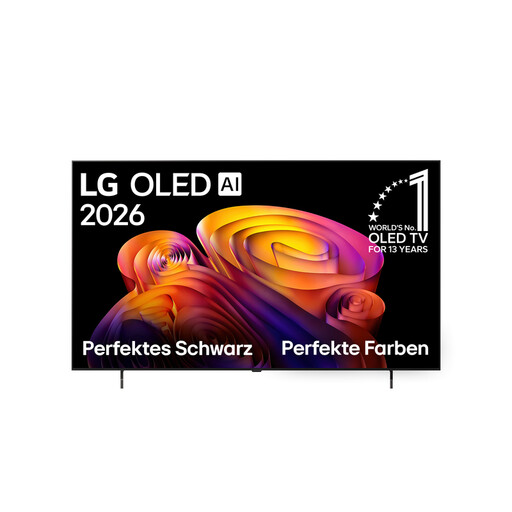 No image available
For art documentaries watched from a compatible source, the Filmmaker Mode listed in the product description is worth considering.
The product details list a 65-inch screen, 4K, Dolby Vision and Dolby Atmos.
With OLED, bear in mind the effect of static images displayed for long periods or repeatedly: Sony Germany warns of possible permanent burn-in.
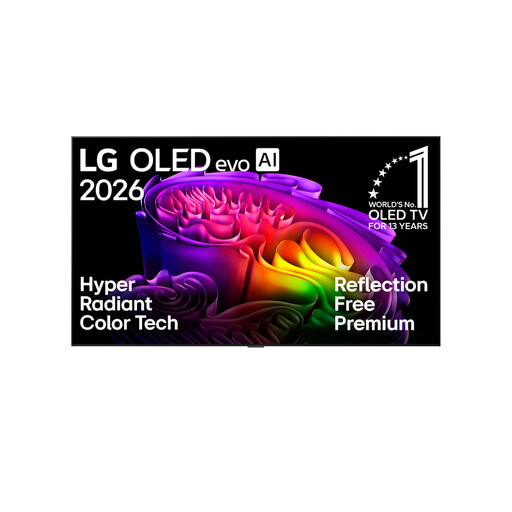 No image available
If you’re looking for a large OLED for art documentaries, this 83-inch model is one size option. Check the viewing distance and side view on the TV itself.
The product details list 4K, Dolby Vision, Dolby Atmos and 165 Hz.
The product description mentions wide viewing angles; this isn’t an independent measurement of this model. With OLED, also bear in mind the effect of static images displayed for long periods or repeatedly: Sony Germany warns of possible permanent burn-in.
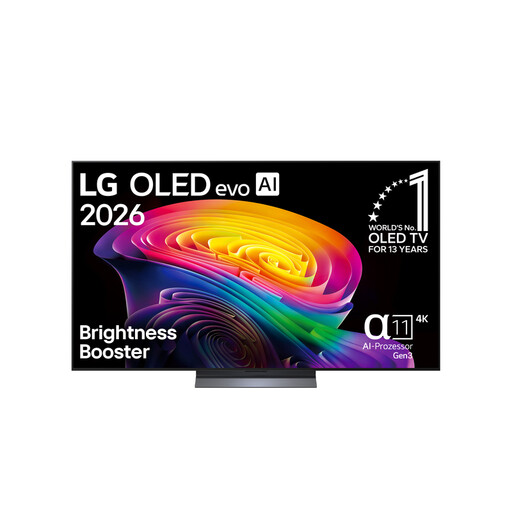 No image available
For art documentaries watched from a compatible source, the Filmmaker Mode listed in the product description is worth considering; check the side view on the TV itself.
The product details list 4K, 120 Hz, Dolby Vision and Dolby Atmos.
With OLED, bear in mind the effect of static images displayed for long periods or repeatedly: Sony Germany warns of possible permanent burn-in.
 No image available
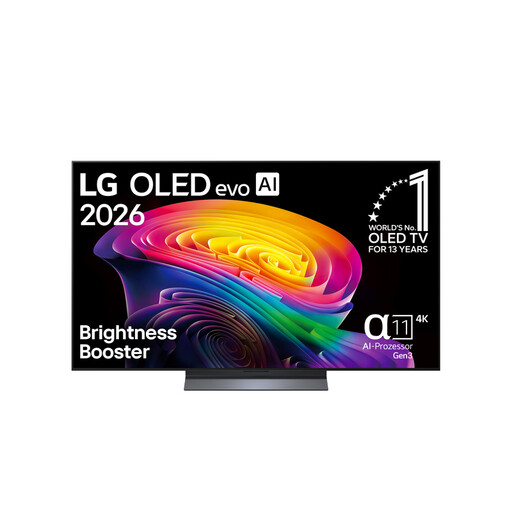
For art documentaries watched from a compatible source, the Filmmaker Mode listed in the product description is worth considering; check that the screen size suits your viewing distance.
The product details list 4K, Dolby Vision, Dolby Atmos, 165 Hz and webOS 26.
With OLED, bear in mind the effect of static images displayed for long periods or repeatedly: Sony Germany warns of possible permanent burn-in.
Compare the picture from that seat with the head-on view, and look for horizontal measurements of changes in colour, brightness and contrast for the exact model. RTINGS specifically measures horizontal, not vertical, viewing angles on TVs.
Try an available Filmmaker or restrained cinema mode with the documentary source you usually watch. According to the UHD Alliance, Filmmaker Mode disables features including motion smoothing and sharpening; you’ll need to decide for yourself whether you like the picture.
A matte finish can reduce reflections, but it doesn’t tell you anything about colour accuracy on its own. RTINGS describes effective matte anti-reflection on the US 65-inch S95F it tested; compare reflections where you plan to put the TV, and don’t assume the test applies to another variant without checking.
According to Sony Germany, displaying the same images for long periods or repeatedly can cause permanent burn-in; this includes photos and menus. Check the protective features of the TV you’re considering and avoid leaving static images on screen unnecessarily.
The EU energy label for TVs uses a scale from A to G. Also compare power consumption details for suitable screen sizes and usage conditions, rather than relying on the energy efficiency class alone to estimate your own consumption.