
Lieferung heute & morgen

Qualitätsgarantie

Willkommens-Angebote freischalten: KOSTENLOSE Lieferung | Bis zu 80 % RABATT | Kostenlose 30-Tage-JoyPlus-Testphase
App herunterladen
Choosing the right pens for painting and drawing can be a challenge. The market is flooded with sets promising a vast selection of colours and with pens whose features are often vaguely advertised. As a Joybuy Product Recommendation Officer, I see every day which products satisfy users and which lead to disappointment. Many buyers invest in extensive sets only to find that the quality doesn't meet their expectations.
This guide focuses on the crucial features that truly matter. We'll highlight three common pitfalls that lead to unnecessary spending and explain which technical parameters you should look for to find the right pens for your creative projects, school, or hobby.
Before you add a new coloured pencil set or drawing markers to your cart, you should be aware of these typical problems that often only become apparent after the purchase.
To avoid these pitfalls, you should focus on three core parameters. These will help you objectively evaluate the performance and longevity of artist-grade pens.
The type of nib significantly determines the pen's application and the feel of drawing with it.
The quality of the ink or colour pigments is central to the final result.
The shape and material of the pen affect comfort during extended use.
Based on these criteria, we have selected a few products that represent a smart choice for different needs and use cases.
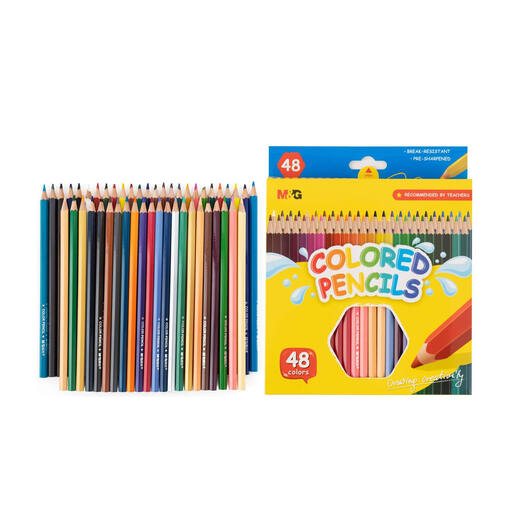
Why This Fits Their Persona: Ideal for students, university students, and hobbyists who need a comprehensive colour spectrum to get started without a large budget. Well-suited for school projects, adult colouring books, and initial sketches.
This set bypasses the pitfall of brittle leads with break-resistant, bonded cores. The hexagonal barrel prevents rolling and provides stable handling, minimising frustration from material issues.
Offers 48 different, vibrant colours for a wide creative range. The leads are pre-sharpened and ready to use right out of the box.
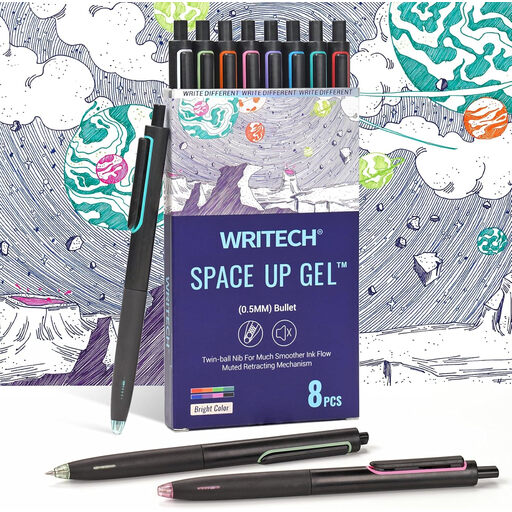
Why This Fits Their Persona: Perfect for users who take precise notes, sketch, or journal in quiet environments like offices, libraries, or lectures. The fine tip and quick-drying ink are ideal for clean, structured work.
The quick-drying ink prevents smudging, a common problem with gel pens. The patented, silent click mechanism is a thoughtful detail that avoids loud clicking noises, thus preventing distractions.
The 0.5 mm fine tip ensures precise lines without skipping. The ergonomic triangular barrel offers high writing comfort during extended use.
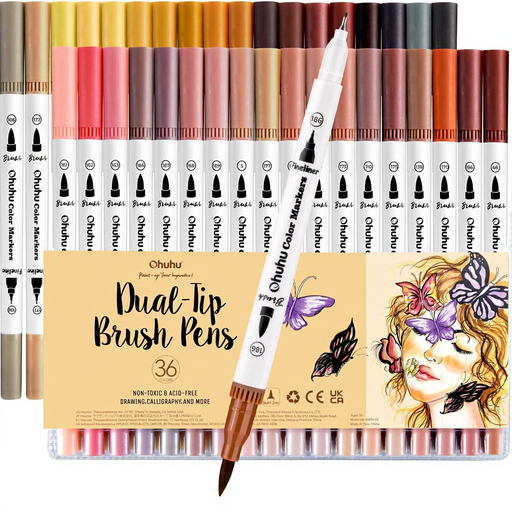
Why This Fits Their Persona: This set is specifically aimed at illustrators and hobby artists who specialise in portraits and rendering skin and hair tones. The dual tip offers the necessary flexibility for both details and large areas.
It solves the problem of "useless colours" by offering a curated palette of 36 skin tones. Instead of a random, broad selection, you get the exact shades needed for realistic portraits.
The functional dual tip (0.4 mm fineliner and 1-2 mm brush tip) allows for both fine lines and smooth transitions. The ink is water-based and low-odour.
We have compiled a complete, up-to-date list of products that fully meet these strict selection criteria and safety regulations.
1. How should I store pens correctly to make them last longer? For maximum lifespan, dual-tip markers, gel pens, and rollerball pens should always be stored horizontally. This ensures that the ink evenly supplies both tips and doesn't dry out on one side. Coloured pencils and graphite pencils are less demanding and can be stored either lying down or standing up. In general, all pens should be protected from direct sunlight and extreme temperatures.
2. What is the difference between alcohol-based and water-based markers? The main difference lies in the ink's solvent. Alcohol-based markers (like the Ohuhu 80-piece set) are popular with artists because they allow for streak-free blending and smooth colour transitions. They dry very quickly but can bleed through unsuitable paper. Water-based markers (like the Ohuhu skin tone pens) are low-odour, less prone to bleeding, and the colours can be blended with water to create watercolour effects. They dry more slowly and can roughen the paper's surface with heavy application.
3. Are more expensive coloured pencils from brands like Lamy or Pelikan worth the money? That depends on the intended use. For professional artists whose work needs to be lightfast and have the highest colour brilliance, investing in pens with high pigment concentration and made from high-quality materials (e.g., cedar wood in Lamy pencils) makes sense. For school use, for children, or for casual hobby drawing, art pens for adults and kids from brands like M&G or Pelikan often offer excellent value for money that is perfectly sufficient for most applications.