
Lieferung heute & morgen

Qualitätsgarantie

Willkommens-Angebote freischalten: KOSTENLOSE Lieferung | Bis zu 80 % RABATT | Kostenlose 30-Tage-JoyPlus-Testphase
App herunterladen
As a Joybuy Product Recommendation Specialist, I see the vast selection of art and drawing supplies available every day. But not every product delivers on its promises. Many creatives, whether professional or hobbyists, invest in materials that later turn out to be unsuitable or short-lived. This guide will help you navigate the common pitfalls and make an informed decision.
Before you invest, you should be aware of the most common issues that lead to frustration and unnecessary expenses.
To avoid the problems mentioned above, you should pay attention to three technical features that define the quality and longevity of your materials.
The designation on a pencil or lead is not marketing, but a technical standard.
Look for break-resistant graphite leads, which are often made more elastic and durable by a high polymer content.
For artist-grade coloured pencils and especially watercolour pencils, pigment quality is crucial. High-quality pencils, like those in the Faber-Castell Albrecht Dürer series, are distinguished by a high pigment concentration. This ensures vibrant colours and good lightfastness. With watercolour pencils, quality is evident in how completely and evenly the pigments dissolve in water without leaving a gritty residue.
A pencil held for hours must be well-shaped. Ergonomic pencils with a triangular or hexagonal barrel prevent hand fatigue. The material also plays a role: wood from certified forestry (e.g., FSC seal) is an indicator of sustainable art supplies and responsible production.
Here are some product recommendations tailored to specific user profiles and the quality criteria mentioned above.
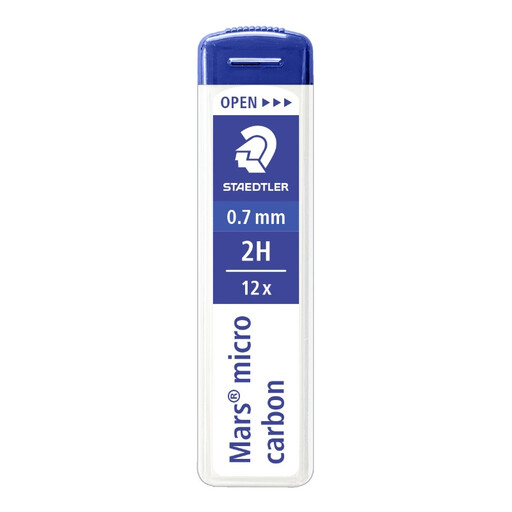
Why This Fits Their Persona: Ideal for precise, clean lines in construction plans and technical drawings. The 2H hardness grade ensures a light, non-smudging laydown that is easy to erase without leaving marks.
The elastic formulation provides high break resistance, avoiding the frustration of constantly breaking leads. The clear hardness grade marking (2H) prevents mistaken purchases for artistic purposes.
Smooth, gliding laydown on paper and drawing board. ISO colour-coding for quick identification of the hardness grade.
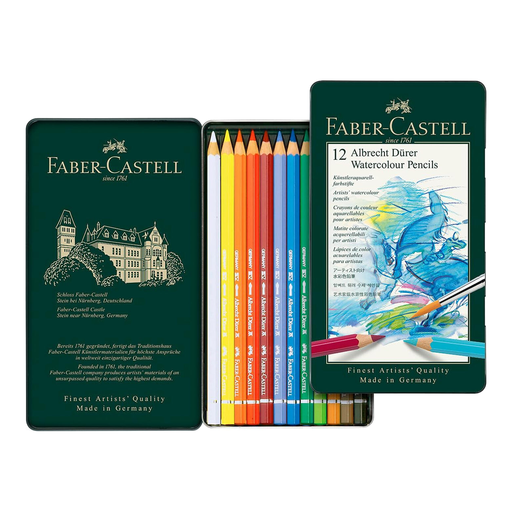
Why This Fits Their Persona: For artists who value longevity and professional results. The Albrecht Dürer series is renowned for its high pigment quality and lightfastness, ensuring artworks retain their brilliance.
It bypasses the trap of fading colours by using high-quality, lightfast pigments. The thick 3.8 mm lead is protected against breakage by a special bonding process (SV).
Fully water-soluble pigments for smooth transitions and watercolour effects. The pencils are suitable for both right- and left-handers and come in a sturdy metal case.
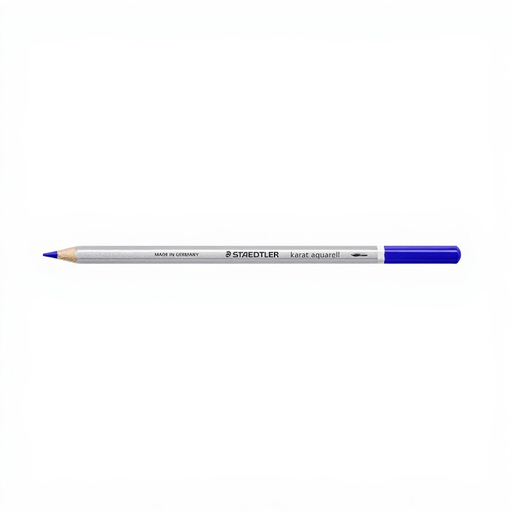
Why This Fits Their Persona: An excellent entry into the world of watercolour painting without breaking the bank. The pencils offer good pigment quality and water solubility, significantly superior to basic school-grade coloured pencils.
Provides reliable performance in water-soluble applications and a soft lead that prevents frustration during initial attempts. The FSC-certified wood is a plus for environmentally conscious buyers.
Versatile for both dry and wet techniques. The classic hexagonal shape ensures a good grip and prevents them from rolling off the table.
We have compiled a complete, up-to-date list of products that fully meet these strict selection criteria.
For starting out, a pencil with an HB hardness grade is an excellent choice, as it offers a good balance between hardness and blackness. For initial shading exercises, a softer pencil like 2B is recommended, as it allows for a rich laydown without needing to apply heavy pressure. For light preliminary sketches that shouldn't be visible later, an H or 2H pencil is suitable.
Look for information on pigment quality and lightfastness on the packaging or in the product description. A practical test is to colour a small area on watercolour paper and then go over it with a damp brush. High-quality pencils like the Faber-Castell Albrecht Dürer or STAEDTLER Karat Aquarell will dissolve evenly and brilliantly, whereas cheaper alternatives often appear pale or patchy.
In most cases, yes. Premium leads, such as the STAEDTLER Mars Micro Carbon, use a flexible blend of graphite and polymers. This makes the lead more elastic and resistant to pressure, especially with thin diameters like 0.5 mm or 0.7 mm. Cheaper leads are often based on a clay-graphite mixture, which is more brittle and breaks more easily.