
Lieferung heute & morgen

Qualitätsgarantie

Willkommens-Angebote freischalten: KOSTENLOSE Lieferung | Bis zu 80 % RABATT | Kostenlose 30-Tage-JoyPlus-Testphase
App herunterladen
An art pen set can make drawing, colouring, lettering and illustration much easier. But choosing one can be overwhelming: many sets promise a wide range of colours, especially vibrant shades or versatile nibs. It’s not just the number of pens that matters; the ink, nib, paper and intended use all need to work well together.
A large set isn’t automatically versatile. For portraits, a graduated range of skin-tone markers is more useful than lots of similar primary colours. For manga and comic art, clear outlines, greyscale shades and colours that are easy to tell apart may be more useful.
Look for a colour chart, numbered pens and a way to create your own colour swatches. A swatch card included with the set makes it easier to record how the colours look on the paper you’re using.
“Two nibs” on its own doesn’t tell you much about how versatile a marker is. For fine outlines, the precise nib size should be stated, such as 0.4 mm or a range from 0.05 to 1.0 mm for fineliners. Brush, chisel or round nibs are good for filling larger areas.
The way the nib behaves matters too: a flexible brush pen nib creates lines of varying widths depending on how much pressure you apply. A chisel nib, on the other hand, gives you defined broad and narrow edges.
Water-based ink is often a good choice for journaling, sketches and watercolour-style effects on suitable paper. Alcohol-based markers usually dry quickly and can be layered and blended on the right marker paper. However, they can bleed through thin paper and should be used in a well-ventilated room.
Acrylic markers work differently: their opaque, water-based paint is designed for surfaces such as stone, wood, glass, ceramics and canvas. They’re not simply a substitute for traditional drawing pens.
A versatile marker set for drawing may combine several types of nib:
With dual-tip markers, labelled caps are also handy. Different cap colours or printed nib information can save you time when you’re drawing.
Check whether the set uses water-based ink, alcohol-based ink or pigmented acrylic paint. Claims such as “waterproof”, “lightfast” or “washable” should always be considered in relation to the surface you’ll be using. Ink can behave differently on printer paper, marker paper, watercolour paper or card.
Heavier paper is usually better for watercolour pencils and water-based brush pens if you plan to blend with water. Alcohol markers often need smooth marker paper to help the colour spread more evenly.
A secure cap helps prevent pens from drying out. If you use your pens often, a case, box or carry case is useful for keeping colours organised and storing pens horizontally. Replacement nibs are a practical feature, particularly for brush pens or acrylic markers that see frequent use.
For children, also check the recommended age, small parts, ventilated caps and whether adult supervision is advised during use. Water-based ink can still stain clothing and surfaces.
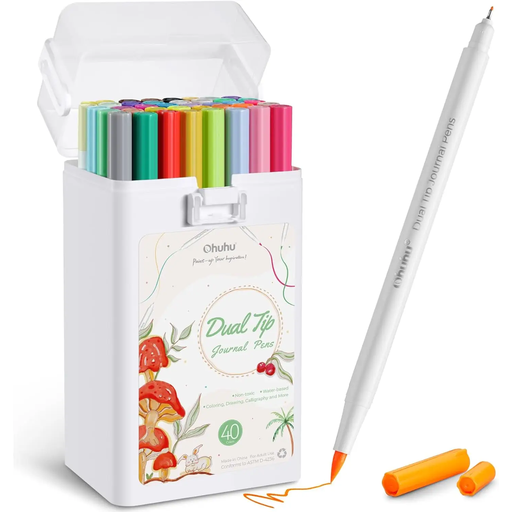
Why this product suits this profile: The combination of a 0.4-mm fineliner and a 1–5-mm brush nib makes this set suitable for journaling, sketches and simple calligraphy.
The two clearly specified nibs can be used separately for fine lines and broader strokes. A colour swatch card makes it easier to choose the right shade.
40 water-based colours, numbered pens and a portable storage box.
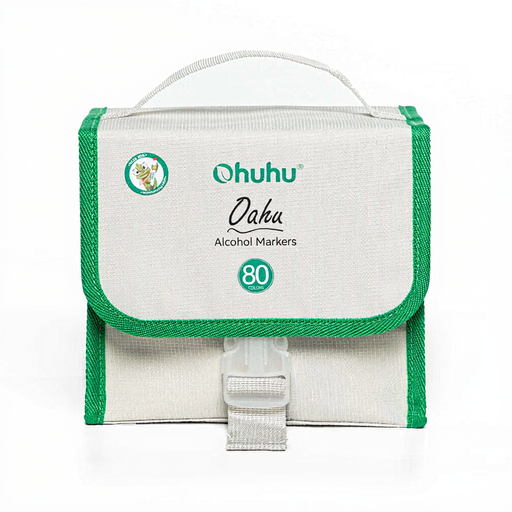
Why this product suits this profile: Illustrators and students who regularly work with layers get a wide choice of colours, plus a broad chisel nib and a fine nib.
The alcohol-based ink is specifically described as quick-drying. A blender helps you blend colours, but smooth paper and good ventilation are still important.
80 shades, a colourless blender and a nylon carry case.
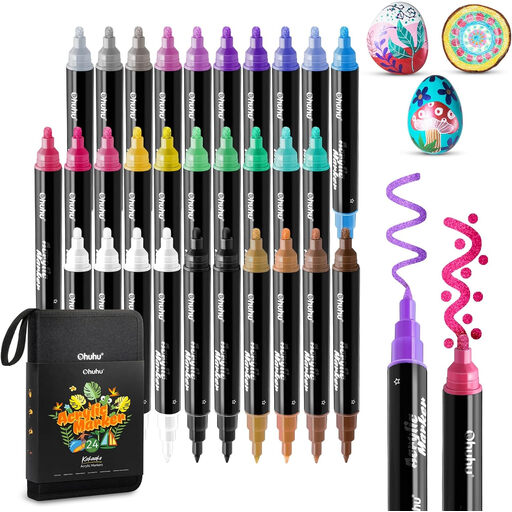
Why this product suits this profile: For painting on stone, wood, glass, ceramics, canvas and paper, acrylic markers with opaque paint are a suitable choice.
The product description clearly lists the intended surfaces, so you’re less likely to choose a paper marker for smooth craft materials.
30 pens with fine and medium round nibs, metallic colours and replacement nibs.
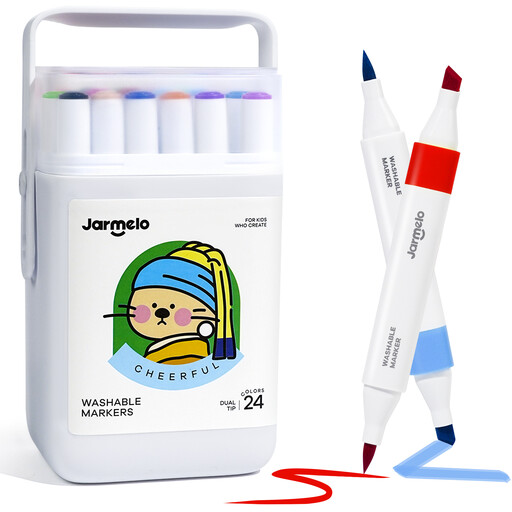
Why this product suits this profile: For children, the easy-to-grip oval shape, water-based ink, storage case and ventilated caps are key features.
The product details specify that the ink is water-based and alcohol-free, and that it is 90% washable from skin and most fabrics. Even so, treat stains straight away.
24 colours, brush and chisel nibs, and a case with a carry handle.
We’ve put together a complete, regularly updated list of products that meet these strict selection criteria and the safety regulations in force in the EU.
For beginners, a set with water-based ink, easy-to-distinguish colours and at least two nib types is a practical choice. A dual-tip marker with a fineliner and brush nib lets you draw, colour and try your first lettering exercises without having to buy several different types of product.
Replace the cap fully straight after each use. Store the pens as directed by the manufacturer, usually horizontally and away from heat and direct sunlight. With acrylic markers, make sure the nib is sealed cleanly after use too, so any paint around the edge doesn’t dry and harden.
It depends on the paper, how often you use them and whether refills or replacement parts are available. Alcohol markers are suitable for layering and blending, but use more ink on absorbent paper. Water-based markers are often an easy option for journaling and school-related creative projects. The key is to choose a set that suits the project you have in mind.