
Lieferung heute & morgen

Qualitätsgarantie

Willkommens-Angebote freischalten: KOSTENLOSE Lieferung | Bis zu 80 % RABATT | Kostenlose 30-Tage-JoyPlus-Testphase
App herunterladen
Choosing the right art supplies can be a challenge given the sheer volume of options. Whether for professional drawings, creative hobbies, or precise technical work, the right pens are crucial for the final result. But the market is filled with marketing promises that often confuse more than they help. As your Joybuy Product Recommendation Officer, I'm here to help you identify the essential features and avoid making the wrong purchase.
Many buyers invest in expensive pen sets only to find they are unsuitable for their needs. Here are three common pitfalls to watch out for:
To make an informed decision, you should focus on objective criteria rather than marketing buzzwords. Three parameters are of central importance here.
The type of ink is a key determinant of a pen's properties. A fundamental distinction is made between dye-based and pigment-based inks.
The nib is the heart of every pen and defines its primary purpose.
A pen that will be used for hours must feel comfortable in your hand. The material and shape of the pen body affect its weight, balance, and grip.
Based on these objective criteria, we have put together some product recommendations for different user groups.
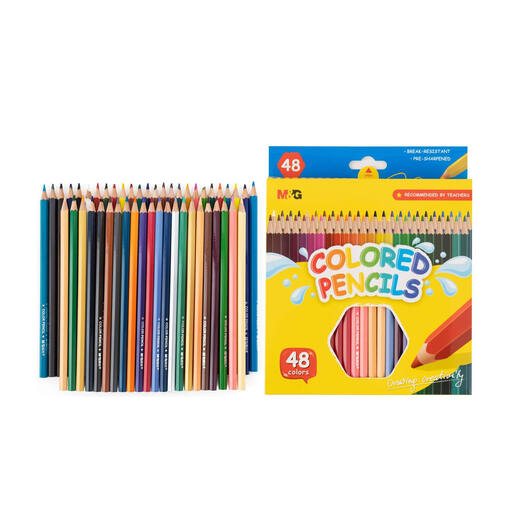
Why This Fits Their Persona: Ideal for hobby artists and students looking for a wide color selection at a low entry price. The set allows for experimenting with shading and blending without requiring a large investment.
Instead of a vague "pro" label, this set offers a clearly defined count of 48 colors. The break-resistant leads and hexagonal barrel are concrete, useful features for beginners.
Extensive color palette with 48 shades; hexagonal barrel prevents rolling and ensures a good grip.
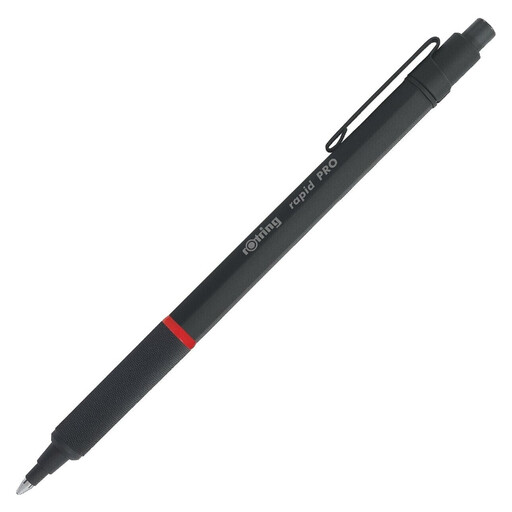
Why This Fits Their Persona: Perfect for architects, engineers, and designers who need a tool with maximum precision, durability, and a professional feel. The pen is designed as a work instrument, not a disposable item.
This fineliner bypasses vague quality claims with verifiable features: a solid metal body for ideal weight balance and a rigid tube nib for an unobstructed view of the paper.
Excellent balance and control thanks to the metal body; the hexagonal shape prevents it from rolling off the drafting table.
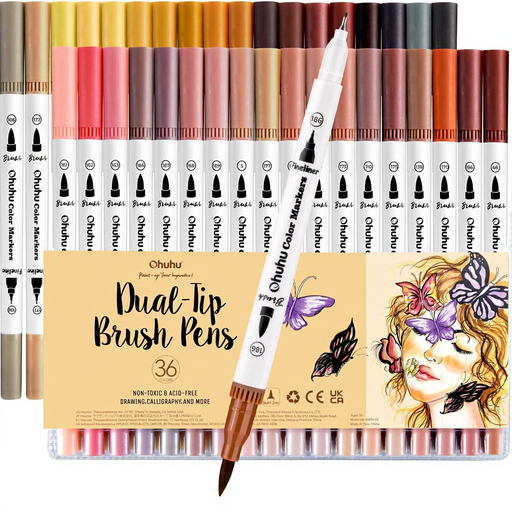
Why This Fits Their Persona: Specifically for artists who draw portraits and figures. The set offers a curated palette of 36 skin tones, which significantly simplifies the realistic depiction of skin and hair.
This set solves the problem of mismatched nibs with a versatile dual tip: a fine tip (0.4 mm) for details and a brush tip (1-2 mm) for large areas and soft blends.
Specialized color palette with 36 skin tones; dual-tip design for maximum flexibility in drawing.
We have compiled a complete, up-to-date list of products that fully meet these strict selection criteria and comply with German safety regulations.
Proper storage is crucial. Dual-tip markers, especially alcohol-based ones, should always be stored horizontally. This ensures that the ink flows evenly to both tips and prevents one side from drying out. For all other pens, always cap them tightly and store them in a cool, dry place away from direct sunlight.
"Acid-free" means that the paper or ink has a neutral or alkaline pH (7 or higher). Acidic materials can cause paper to yellow and become brittle over time. For artists who want to archive or sell their work, using acid-free pens and paper is essential to ensure the longevity and color vibrancy of the artwork.
No, the choice of paper is especially important for alcohol-based markers. Standard printer paper is too thin and absorbent, which leads to significant bleeding and feathering of the lines. Instead, use special marker paper. It has a coated surface that prevents the ink from soaking in too deeply. Alternatively, heavy, smooth papers (mixed-media paper or Bristol board) with a weight of over 180 g/m? are also suitable.