
Lieferung heute & morgen

Qualitätsgarantie

Willkommens-Angebote freischalten: KOSTENLOSE Lieferung | Bis zu 80 % RABATT | Kostenlose 30-Tage-JoyPlus-Testphase
App herunterladen
Choosing the right art and painting supplies can make or break a project. Whether you're repainting a wall, creating a detailed illustration, or starting a creative DIY project, the right tools are essential. However, the market is filled with products whose marketing promises often suggest more than the quality delivers. This guide will help you recognise common purchasing traps and make an informed decision based on objective criteria.
Before investing in new materials, it's helpful to know the typical problems that lead to frustration and unnecessary expenses.
To avoid these pitfalls, you should focus your attention on a few crucial technical parameters. These determine the functionality and longevity of your art supplies.
The performance of a brush or pen depends directly on its material. For a brush set, the type of bristles is decisive:
For a marker set, especially felt-tip pens, the tips are crucial. Dual-tip markers with a fine tip (fineliner) for outlines and a flexible brush tip for filling areas offer maximum flexibility. The ink base (water or alcohol) determines the blending behaviour and whether the ink bleeds through the paper.
For painting supplies used in renovations, different criteria are important.
A paint sprayer can save a lot of time on large surfaces. Here, HVLP (High Volume, Low Pressure) technology is a key indicator, as it reduces overspray and allows for a more precise application of paint. The number and size of the included nozzles determine which paint viscosities (from thin lacquers to thicker wall paints) can be processed. An easel should, above all, be stable and adjustable to your preferred working height and canvas size.
Instead of making a blanket recommendation, we have selected products tailored to specific user profiles.
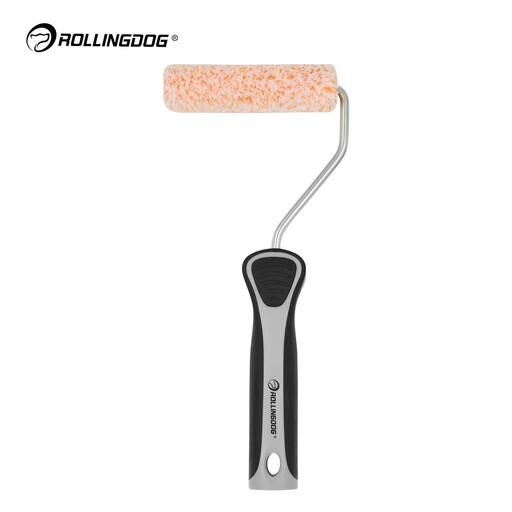
Why this product is a good fit: Ideal for renovation work, touch-ups, or precise painting on edges and in corners. The 4-inch (10 cm) size is perfect for smaller areas like doors, furniture, or painting between windows and walls.
This set is a specialised tool, not an overloaded package. The microfibre cover with a 3/8-inch (9.5 mm) pile height is designed for smooth to lightly textured surfaces, ensuring an even finish without the patchiness of cheap foam rollers.
The galvanised steel frame is corrosion-resistant and durable. The ergonomic design provides good control for clean paint edges.
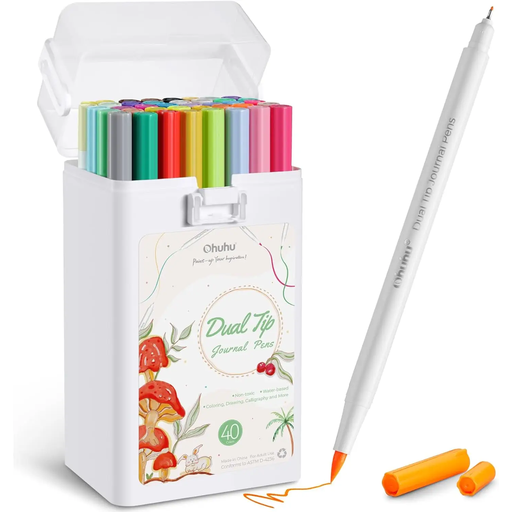
Why this product is a good fit: An excellent starting point for anyone looking to draw, illustrate, or try out calligraphy pens. The 40 colours offer a wide palette for various projects, from journaling to finished artworks.
Instead of a huge set of questionable quality, this package offers 40 reliable, well-pigmented pens. The water-based ink is odourless and quick-drying. The pens are colour-coded and numbered, which simplifies organisation.
The dual tip (0.4 mm fineliner and 1-5 mm brush tip) offers enormous versatility for fine lines and broad colouring. The included storage box and colour chart are practical DIY accessories.
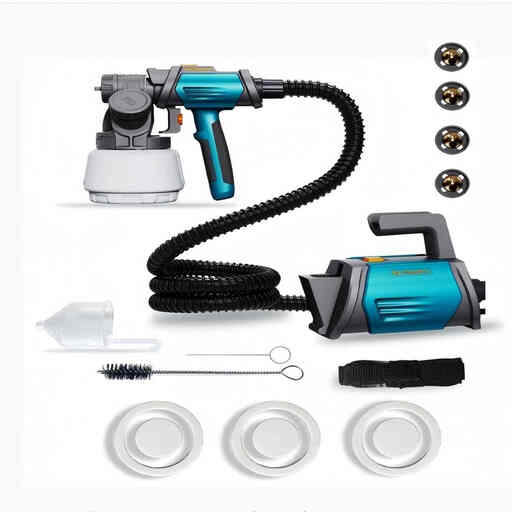
Why this product is a good fit: For large projects like fences, decks, or entire walls where speed and an even paint application are paramount. The split design reduces the weight in your hand, allowing for longer, fatigue-free work.
This system avoids the trap of low-power sprayers that clog easily. With 800 watts of power and viscosity compatibility up to 120 DIN-s, it can handle a wide variety of paints. The brass nozzles are more durable than plastic alternatives.
Four different nozzle sizes (1 mm to 3 mm) and three spray patterns offer high flexibility. The HVLP system ensures precise paint application with reduced overspray, which saves material and protects the surrounding area.
We have compiled a complete, up-to-date list of products that fully meet these strict selection criteria and UK regulations.
1. How do you clean brushes and paint rollers properly to extend their lifespan? For water-based paints, brushes and rollers should be washed immediately after use under running water until the water runs clear. A multi-tool or a putty knife can help remove excess paint from the roller. For solvent-based paints, use the cleaner recommended by the paint manufacturer. Store brushes hanging or lying flat to help the bristles maintain their shape.
2. What type of paper is suitable for water-based ink markers to prevent bleed-through? To prevent bleed-through, special marker paper with a coated back is ideal. Alternatively, heavy, smooth paper with a weight of at least 120 g/m? also works well. Mixed-media paper or smooth/hot-pressed watercolour paper are also good options as they are designed to absorb moisture.
3. Can you use thick wall paints with a paint sprayer? Yes, many modern HVLP systems can also handle thicker emulsion paints for walls. It is crucial to check the manufacturer's viscosity specifications (e.g., in DIN-s). Often, the paint must be thinned according to the instructions of the paint and device manufacturer to prevent nozzle clogging and ensure a uniform spray pattern. Using the correct nozzle size is also critical here.