
Lieferung heute & morgen

Qualitätsgarantie

Willkommens-Angebote freischalten: KOSTENLOSE Lieferung | Bis zu 80 % RABATT | Kostenlose 30-Tage-JoyPlus-Testphase
App herunterladen
As a Joybuy Product Recommendation Officer, I see the vast selection of art supplies every day—and how easy it is to get lost in it. Whether you're just starting your creative journey or are already experienced, the right materials are crucial. However, well-intentioned marketing promises often lead to disappointment and unnecessary expenses. This guide will help you navigate the common pitfalls and find the right drawing supplies for your projects.
Before you invest, you should be aware of the most common issues that often only become apparent after unboxing.
To avoid a bad buy, focus on these three core technical aspects.
The composition is the heart of every paint and pen.
The tip of a pen or brush defines what you can do with it.
A good set is not just a collection of individual items, but a thoughtfully curated collection.
Here are some recommendations tailored to different needs and use cases.
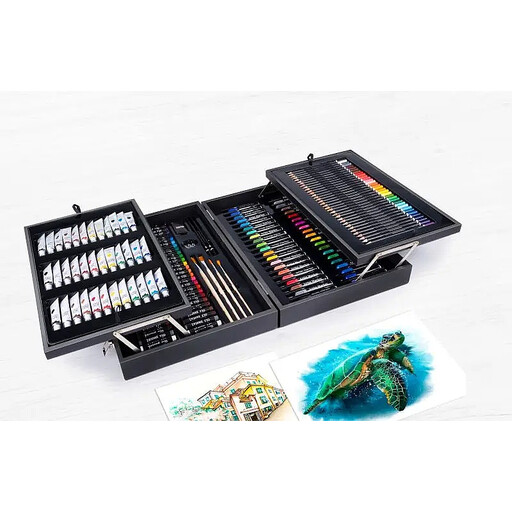
Why This Fits Their Persona: Ideal for anyone who isn't yet sure which medium they prefer. This set offers a wide range of materials—from coloured pencils and oil pastels to watercolour and acrylic paints—to try out different techniques without a major financial commitment.
It bypasses the "all-in-one" trap by clearly positioning itself as a discovery set. Instead of promising professional results, it enables cost-effective experimentation to find personal preferences.
Comprehensive variety of materials (coloured pencils, markers, oil pastels, paints) in a portable wooden case. Allows for learning various artistic techniques.
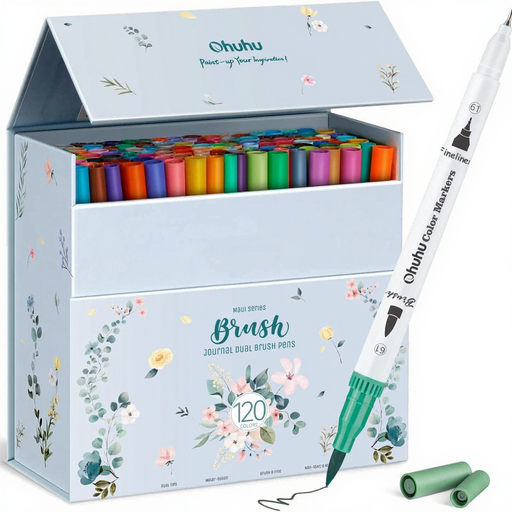
Why This Fits Their Persona: For creatives looking to expand their skills in colouring, journaling, or hand-lettering. The wide colour selection and versatile dual tips offer enormous creative potential that goes far beyond a simple starter set.
This set avoids the trap of misleading quality by focusing on a single, well-executed tool: water-based markers. Instead of a mix of everything, it offers a specialised solution with numbered colours and replacement nibs.
Dual tips (0.4mm fineliner and 1-6mm brush) for maximum flexibility. The water-based ink is low-odour and allows for blending to create watercolour effects on suitable paper.
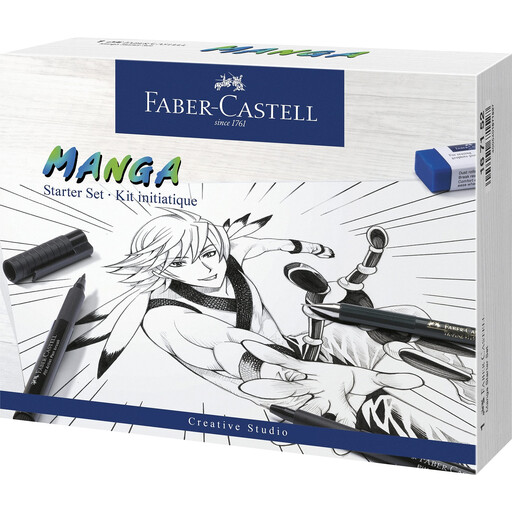
Why This Fits Their Persona: Perfect for artists who need precise lines for comics, manga, or technical illustrations. This set from Faber-Castell offers high-quality, pigmented India ink pens known for their reliability and lightfastness.
It's the opposite of a non-specific set. Every piece has a clear function: fineliners for outlines, a brush tip for filling areas, and a mechanical pencil for sketching. No space is wasted on filler items.
Highly pigmented, waterproof India ink that doesn't smudge with markers or watercolours after drying. Includes various tip sizes (XS, M, Brush) for different applications.
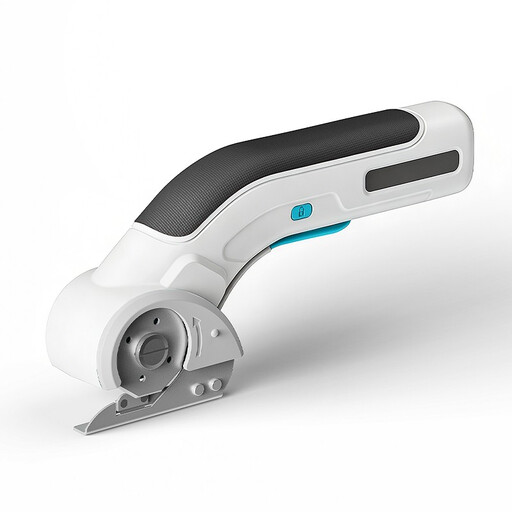
Why This Fits Their Persona: For crafters who regularly work with materials like felt, cardboard, leather, or fabric. This tool solves the problem of tedious and often imprecise hand-cutting and is a valuable addition for anyone who goes beyond basic paper crafts.
This tool doesn't ignore the medium; it's specifically designed for it. It's a specialised tool that makes a specific task—cutting thicker materials—more efficient and safer than a conventional craft knife.
The powerful motor cuts effortlessly through various materials, reducing hand fatigue. The cordless design with USB-C charging offers maximum flexibility for DIY projects.
We have compiled a complete, up-to-date list of products that fully meet these strict selection criteria and quality standards.
1. How should I store art supplies to extend their lifespan? Proper storage is crucial. Dual-tip markers, like most brush pen sets, should always be stored horizontally. This ensures that the ink flows evenly to both tips and prevents one side from drying out. Paints like acrylics and watercolours must be tightly sealed and protected from frost and direct sunlight. It's best to store paper and sketchpads flat in a dry place to prevent warping.
2. What is the best paper for beginners? This largely depends on your chosen medium. For dry techniques like coloured pencils or graphite, a simple sketchbook with a paper weight of 90–120 g/m? is sufficient. For markers, special coated marker paper is recommended to prevent ink from bleeding through. If you want to work with watercolours, a watercolour pad of at least 200 g/m? (preferably 300 g/m?) is essential, as thinner paper will buckle. A "mixed-media" pad is a good compromise to start with, as it is suitable for various dry and wet techniques.
3. Are more expensive Faber-Castell pens worth the price? For professional artists whose work is sold or exhibited, investing in pens from brands like Faber-Castell is often worthwhile. The main advantage lies in the high lightfastness of the pigments, which means the colours won't fade for decades. Additionally, the colour consistency from pen to pen is very high. However, for hobbyists, students, or for practice, brands like Ohuhu with their extensive marker sets offer excellent value for money and an enormous variety of colours to get started.