
Lieferung heute & morgen

Qualitätsgarantie

Willkommens-Angebote freischalten: KOSTENLOSE Lieferung | Bis zu 80 % RABATT | Kostenlose 30-Tage-JoyPlus-Testphase
App herunterladen
Whether you’re shopping for school, a creative space at home or a studio, choosing art supplies and painting materials isn’t just about how many colours are included. Watercolour pencils, coloured pencils, acrylic markers, brush pens, felt-tip pens and gouache paints all differ in terms of nib, colour application, paper compatibility and cleaning.
If you choose a set based only on its large number of colours or eye-catching packaging, you could easily end up buying twice. The following criteria will help you find the right painting and drawing materials for children and adults.
A set of 120 colours may look comprehensive, but it can be impractical if the colours aren’t named, shades are hard to tell apart or important primary colours haven’t been chosen sensibly. For beginners, 12 to 30 well-chosen colours are often enough. If you use your art supplies regularly, look for numbered pencils, colour charts and easy-to-organise storage.
Water-soluble dyes or pigments can be activated with a damp brush. However, that doesn’t mean a finished picture will be waterproof. For watercolour pencils and water-based brush pens, it’s best to use suitable, preferably heavier paper. Thin printer paper may buckle or let the colour bleed through.
Paints, felt-tip pens and craft sets for younger children need an appropriate age recommendation, easy-to-grip shapes and safety features. Small parts, sharp pencil tips or caps that can’t be secured may be unsuitable for toddlers. Check details such as “ages 3+” or “ages 6+” before buying.
A 3.8-mm lead in an artist’s coloured pencil offers a good balance of colour application and durability. For fine illustrations, a precise tip is more important than an especially soft lead. For dual-tip brush pens, details such as a 0.4 mm fineliner and a 1–5 mm brush tip are useful because they give you a clear idea of the line widths you can achieve.
A metal tin, a roll-up case or a sturdy plastic case will protect leads and tips while you’re on the move. Accessories such as erasers, sharpeners, mixing palettes, water brushes or replacement tips can make a set more useful. Always close marker caps firmly after use. Store water-based products in a dry place, away from direct sunlight.
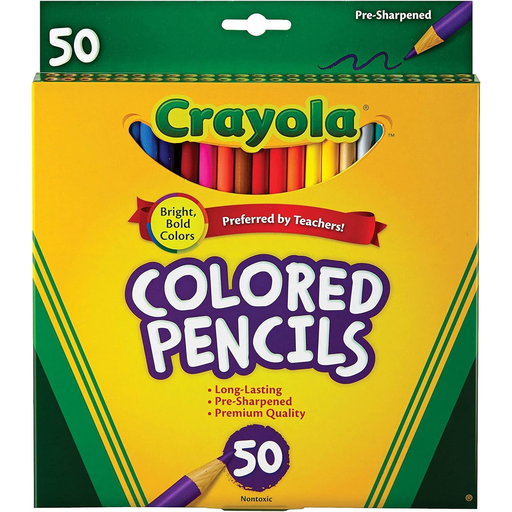
Why it suits this profile: This 50-piece set is designed for drawing, colouring and school projects. The pencils come pre-sharpened and are suitable for children aged 3 and over.
The clearly stated quantity and pre-sharpened pencils make it easy to see what’s included, and you won’t need a sharpener to get started.
50 colours, HB leads, wood from sustainably managed forests according to the product details, and ready to use straight away.
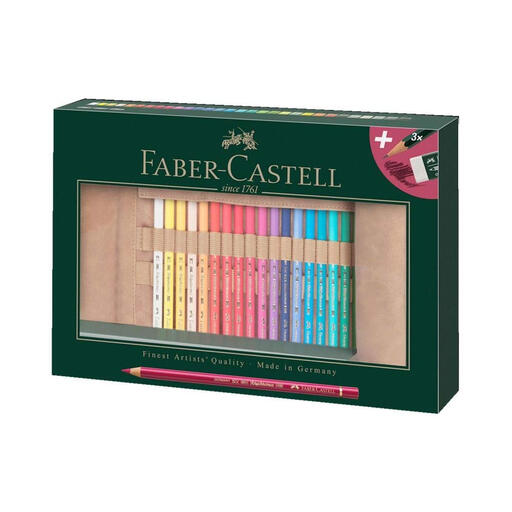
Why it suits this profile: According to the product description, this set is aimed at illustrators, artists and dedicated hobbyists who like to work in several layers of colour.
The oil-based lead is clearly distinguished from water-soluble drawing media; the supplier describes it as water- and smudge-resistant.
30 coloured pencils with 3.8-mm leads, a roll-up case, plus three graphite pencils and an eraser.
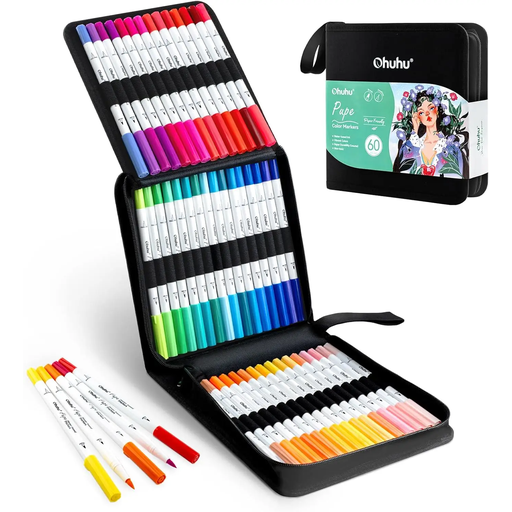
Why it suits this profile: For journalling, hand lettering, colouring books and illustrations, this set offers two tips per pen and a wide choice of colours.
The two tip types are clearly specified: a 0.4-mm fineliner and a flexible 1–5-mm brush tip. You can see exactly what each pen does without having to guess from the product name.
59 shades plus a colourless blender, water-based ink and a storage case according to the product description.
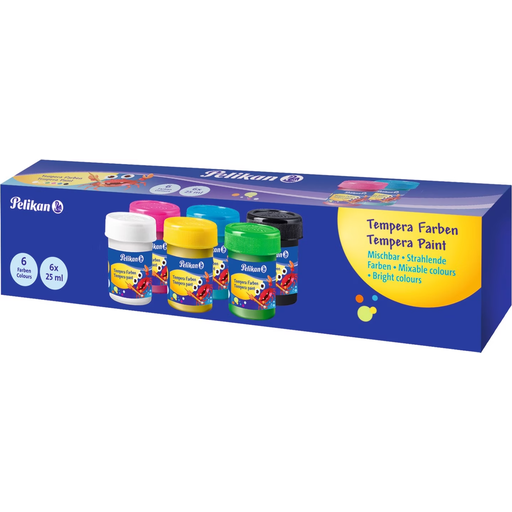
Why it suits this profile: This set is suitable for school art activities and first experiments with colour, and includes six colours, a paintbrush and a mixing palette.
The contents specify 25 ml of paint per pot and list the included accessories. However, you should still take note of the age recommendation of 3 years and over.
Six opaque gouache paints, 25 ml each, with a paintbrush and mixing palette; according to the product details, they’re suitable for paper, card, wood and ceramics.
Before buying art supplies and painting materials, it’s worth checking a few things:
We’ve put together a complete, regularly updated list of products that meet these strict selection criteria and fully comply with the safety regulations in force in the EU.
For your first projects, a manageable set of coloured pencils or watercolours, good-quality drawing paper, an eraser and a suitable sharpener will be enough. If you enjoy writing and illustrating, you could also choose brush pens with a fineliner tip.
How long they last depends on the amount of ink, the paper, the pressure you apply and how they’re stored. Closing the caps firmly and storing the pens horizontally can help slow them from drying out. If you use them often, a set with replacement tips or readily available accessories is a practical choice.
Heavier watercolour or mixed-media paper is suitable for watercolour pencils, watercolours and water-based brush pens. It absorbs moisture better than ordinary printer paper and helps prevent it from becoming saturated. The paper’s weight, surface texture and the amount of water you use all matter.