
Lieferung heute & morgen

Qualitätsgarantie

Willkommens-Angebote freischalten: KOSTENLOSE Lieferung | Bis zu 80 % RABATT | Kostenlose 30-Tage-JoyPlus-Testphase
App herunterladen
The selection of art and craft supplies for children is vast, but not every product delivers on its promise. As a parent, grandparent, or gift-giver, you want to foster creativity without compromising on safety or quality. Many products entice with colorful packaging and bold marketing claims, only to quickly prove a poor investment. This guide will help you avoid the common pitfalls and make an informed decision.
Before you make a purchase, it's important to be aware of the most common issues that can lead to disappointment.
To ensure you purchase a suitable and safe product, you should check three key parameters. These form the basis for long-lasting creative enjoyment.
Safety is the most important criterion, especially when it comes to crafting for toddlers. Look for the following labels and standards:
A good creative toy is tailored to the child's motor and cognitive skills.
Look for products that allow for repeated use and are easy to handle. An art set for kids in a sturdy case is not only practical for storage but also perfect for on-the-go creativity. Reusable products like an LCD drawing tablet conserve resources and provide endless drawing fun without paper waste or ink stains.
Here are some product recommendations tailored to different needs and use cases.
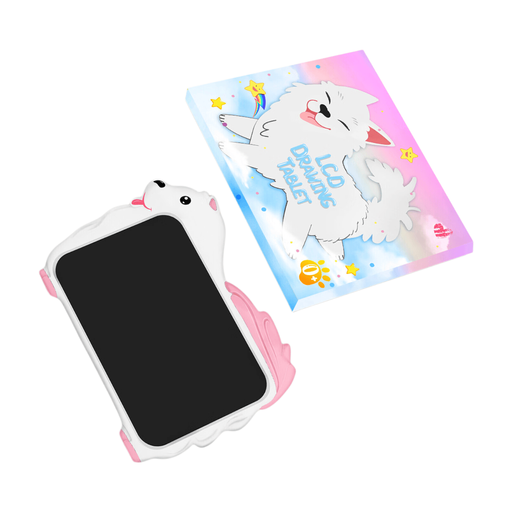
Why it's a great fit: This LCD drawing tablet is extremely lightweight and slim, making it easy to slip into a backpack. It provides mess-free entertainment in the car, waiting room, or restaurant, with no risk of lost pens or stains.
It completely bypasses the "washable" trap because it uses no ink or paint. According to the manufacturer, it is made of non-toxic ABS plastic and complies with EU REACH regulations, addressing safety concerns.
Reusable and instantly erasable at the touch of a button. No paper consumption, and the coin-cell battery lasts a very long time.
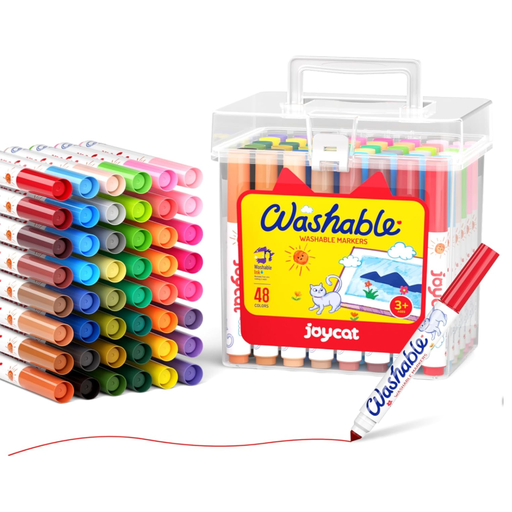
Why it's a great fit: This set offers a wide range of colors for extensive art projects. The sturdy case keeps everything organized and makes the set a great companion for art class or creative afternoons.
The water-based ink is advertised by the manufacturer as easily washable. The product is also certified as non-toxic under the ASTM D-4236 standard, which is a reliable safety claim.
The conical tip allows for both broad strokes and fine lines. The included case keeps the markers organized and prevents them from drying out.
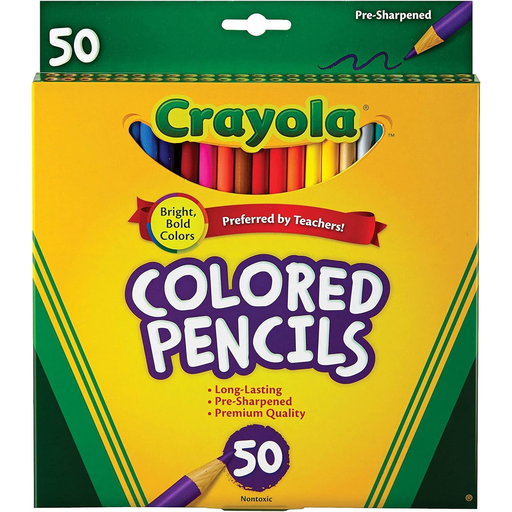
Why it's a great fit: With 50 different colors, this set offers enormous variety for school projects, mandalas, or detailed drawings. The pencils come pre-sharpened and ready to use, making them a practical part of any school supply kit.
It addresses the durability issue with leads described as break-resistant. Additionally, the pencils are certified non-toxic, and the wood comes from sustainably managed forests, according to the manufacturer.
The wide color selection and soft lead allow for smooth color laydown and blending.
We have compiled a complete, up-to-date list of products that fully meet these strict selection criteria and European safety regulations.
1. How can I identify truly non-toxic art and craft supplies? Look for the CE Mark and a reference to the EN 71 standard. Reputable manufacturers will also state if their products comply with the REACH Regulation. This information is usually found on the packaging or in the product description. Products from well-known brands made specifically for the European market generally offer a higher level of safety.
2. What is the most effective way to clean "washable" markers? For most water-based inks, lukewarm water and a little mild soap will suffice. Act as quickly as possible before the color can penetrate deep into the fibers. For clothing, it can help to pre-treat the stain with a suitable stain remover before washing. Always test cleaning agents on an inconspicuous area of the material first.
3. From what age is an LCD drawing tablet a good idea? Manufacturers typically recommend LCD drawing tablets for children aged 3 and up. At this age, their fine motor skills are usually developed enough to hold the stylus and make intentional marks. For younger children, it's a clean and safe way to get their first drawing experience without the risk of swallowing small parts or drawing on walls.