
Lieferung heute & morgen

Qualitätsgarantie

Willkommens-Angebote freischalten: KOSTENLOSE Lieferung | Bis zu 80 % RABATT | Kostenlose 30-Tage-JoyPlus-Testphase
App herunterladen
Choosing the right art supplies can be crucial to the success of a creative project. Yet, the market is flooded with products whose marketing promises often suggest more than the quality delivers. Many hobbyists and even advanced creators invest in painting supplies that quickly prove to be unusable. This guide will help you identify common pitfalls and make an informed choice.
Before investing in new equipment, it's helpful to understand the typical issues that can lead to disappointment.
To avoid buyer's remorse, you should pay attention to a few fundamental technical features. These define the functionality and longevity of your art supplies.
A reliable artist brush set can be evaluated based on three components:
When purchasing watercolor pencils, such as the Staedtler Karat Aquarell models, the following characteristics are critical for watercolor painting accessories:
The choice of the right tool depends heavily on its intended use. Here are some recommendations tailored to specific user profiles.
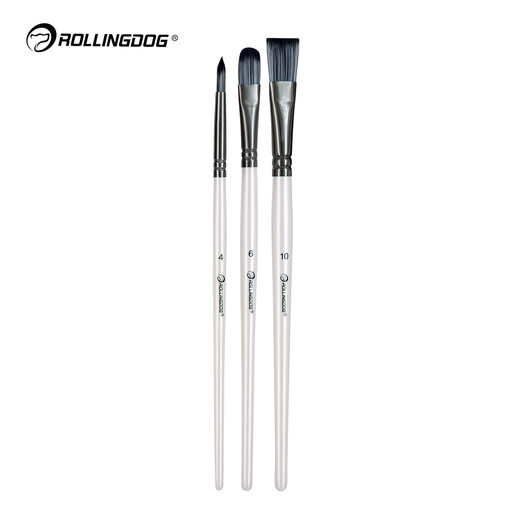
Why This Fits Their Persona: Ideal for illustrators, model makers, and artists who depend on the finest lines and details. The combination of round, flat, and filbert brushes is specifically designed for precise control.
Instead of offering a generic set, this kit focuses on the core requirement of detail painting. The bristles are designed to hold a fine point and resist fraying.
Durable synthetic filaments and ergonomic handles for high precision. Corrosion-resistant, nickel-plated ferrules ensure a long lifespan.
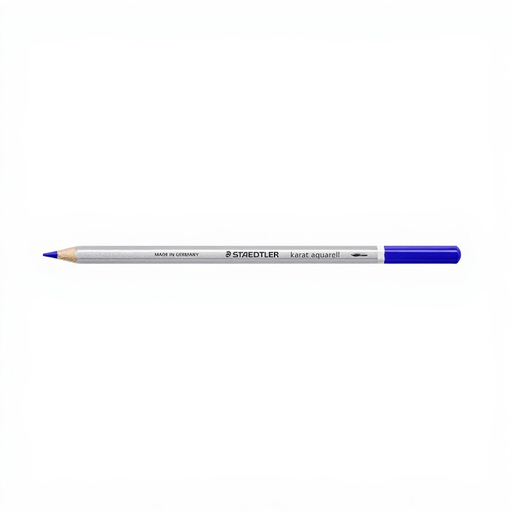
Why This Fits Their Persona: Perfect for hobby artists and art students who want to learn the watercolor technique. These pencils offer reliable quality without requiring an immediate investment in a large set.
The high pigment density prevents the typical "washed-out" effect of cheaper pencils. The color remains intense and vibrant even after contact with water.
Excellent water solubility for smooth transitions. The soft yet break-resistant lead and wood from FSC-certified forests are objective quality markers.
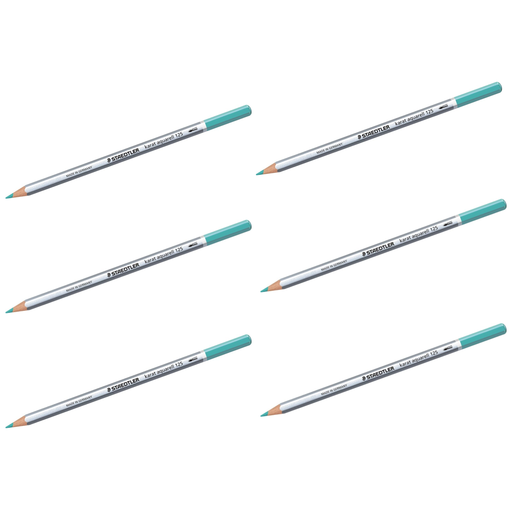
Why This Fits Their Persona: Professional artists and illustrators often build their color palettes individually. Purchasing specific artist-grade shades allows for the creation of a custom selection for projects like botanical illustrations or landscape painting.
Instead of investing in a large set with many unused colors, the targeted purchase of individual shades allows for an efficient and cost-effective expansion of one's drawing supplies.
Artist-grade pigment concentration ensures high color brilliance and lightfastness. The special lead formulation allows for versatile techniques, from dry details to broad watercolor washes.
We've compiled a complete, up-to-date list of products that meet these strict selection criteria and quality standards.
1. How do you clean artist brushes properly to extend their lifespan? For water-based paints like acrylic or watercolor, wash the brush immediately after use with lukewarm water and mild soap until no color residue comes out. For oil paints, use a suitable brush cleaner or turpentine substitute. Afterward, gently reshape the bristles with your fingers and store the brushes lying flat or hanging with the bristles down to prevent water from running into the ferrule.
2. How can I identify break-resistant watercolor pencils? An indicator of break-resistance is the mention of a special protective coating or bonding of the lead within the wooden barrel. Manufacturers like STAEDTLER, for example, use a process that makes the lead more resilient. Additionally, using a high-quality sharpener with a sharp blade is crucial to avoid putting unnecessary stress on the lead during sharpening.
3. Are more expensive professional-grade artist paints worth the price? The price difference between hobby and professional-grade artist paints is mainly due to pigment concentration and lightfastness. Professional paints contain more pure pigments and fewer fillers, resulting in more brilliant and intense results. Their higher lightfastness guarantees that artworks will retain their color vibrancy for decades. For artists who sell or exhibit their work, this investment is therefore worthwhile.