
Lieferung heute & morgen

Qualitätsgarantie

Willkommens-Angebote freischalten: KOSTENLOSE Lieferung | Bis zu 80 % RABATT | Kostenlose 30-Tage-JoyPlus-Testphase
App herunterladen
As a Joybuy Product Recommendation Officer, I see countless art supply products every day. My job is to separate the quality from the clutter and give you objective advice to help you find the right tools for your creativity. Many offers sound tempting, but they often lead to disappointment and wasted money. Before you invest, you should know the typical pitfalls.
Two problems are especially common:
An informed purchase is based not on quantity, but on understanding the crucial product features.
To avoid bad purchases, you should focus on two core aspects instead of being swayed by marketing promises. These parameters determine whether a tool will perform its function reliably.
The quality of art supplies is in the details. For pens and brushes, these are the critical components:
Not every tool is suitable for every purpose. The harmony between your creative supplies and the surface is crucial for the success of your projects.
Based on these objective criteria, we have identified some products that are well-suited for specific user profiles and their needs.
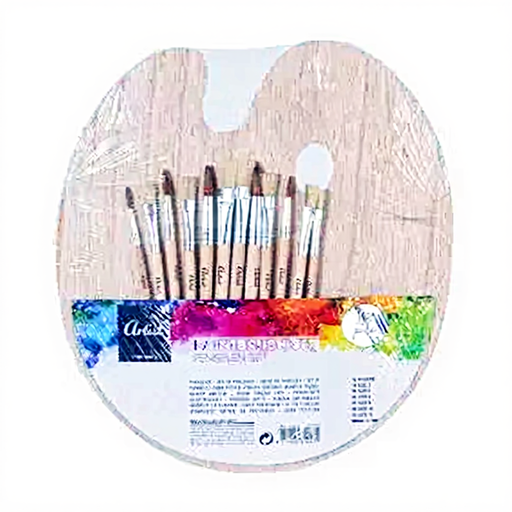
Why This Fits Their Persona: Ideal for anyone who wants to try painting without a large initial investment. The set offers a functional selection of brush sizes for first experiments with acrylic or watercolours at home or in an art class.
This set focuses on a basic yet versatile selection of brush sizes instead of advertising an overwhelming number of useless specialty brushes. It's an honest starter pack.
The included wooden palette makes it a complete set for getting started right away. The bristles are suitable for common paint types like acrylic and gouache.
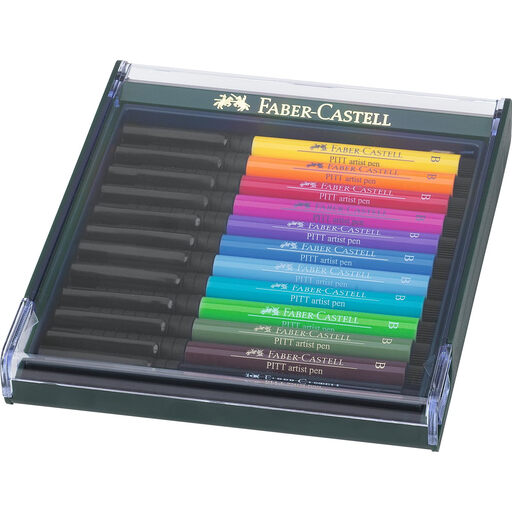
Why This Fits Their Persona: For illustrators and calligraphy enthusiasts who value pigment quality and longevity. These pens offer a high-quality alternative to markers that fade quickly.
Unlike many no-name products, Faber-Castell provides clear specifications: these are highly pigmented India ink pens. The brand name stands for reliable quality and lightfastness.
The flexible brush tip allows for dynamic strokes, from fine to broad. The ink is known for its high lightfastness, ensuring the longevity of the artwork.
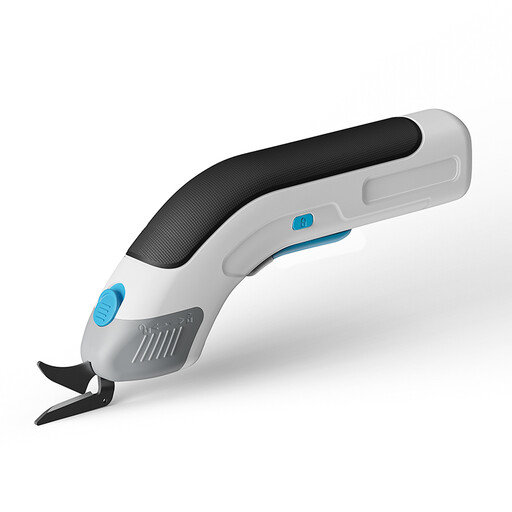
Why This Fits Their Persona: A specialty tool for anyone who regularly works with materials like felt, cardboard, leather, or carpet. It automates the cutting process and ensures clean, precise edges that are difficult to achieve by hand.
This device solves a specific problem—the tedious and often inaccurate cutting of thicker materials. It's a targeted investment in efficiency rather than just another all-purpose knife.
The 11,000 RPM motor cuts effortlessly through various materials. The cordless design with USB-C charging and a low weight of 0.2 kg offer maximum flexibility and reduce hand fatigue.
We have compiled a complete, up-to-date list of products that fully meet these strict selection criteria and safety regulations.
The correct cleaning method depends on the type of paint used. For water-based paints like acrylic or watercolour, wash the brushes thoroughly with lukewarm water and mild soap immediately after use until no colour residue remains. For oil paints, you will need a special solvent like mineral spirits. After washing, gently reshape the bristles into their original form and let the brushes dry lying flat or hanging to prevent water from running into the ferrule and damaging the handle.
The main difference is the ink's solvent. Water-based pens (like most fineliners and children's markers) are low-odor, less likely to bleed through suitable paper, and can sometimes be blended with water to create watercolour effects. Alcohol-based pens (often found in professional layout markers) dry very quickly and allow for seamless, streak-free colour blending. However, they tend to bleed through thin paper and have a stronger odor.
Technically yes, but the results will vary greatly. Standard copy paper (around 80 gsm) is often too thin and fibrous. The ink can feather and bleed through to the back. For clean lines and vibrant colours, smooth, thicker paper (120 gsm or higher) is recommended. Special marker paper or Bristol board provides an ideal surface that absorbs ink optimally without bleeding, and it is gentler on the pen nibs.