
Lieferung heute & morgen

Qualitätsgarantie

Willkommens-Angebote freischalten: KOSTENLOSE Lieferung | Bis zu 80 % RABATT | Kostenlose 30-Tage-JoyPlus-Testphase
App herunterladen
Artificial flower decoration is a practical solution for living spaces, celebrations, weddings and seasonal arrangements. Unlike fresh cut flowers, artificial flowers need no water and can be reused after the event. However, materials, sizes, colours and possible uses can vary considerably. If you choose solely based on the lowest price or an especially realistic product image, you may later find that the stems are the wrong length, the flower heads are unstable or the materials are unsuitable for outdoor use.
A flower may look larger in a product photo than it really is in a vase. So be sure to check the stem length, flower-head diameter and number of individual stems included. For example, 29 or 33 centimetres is often too short for a tall floor vase, while compact arrangements can work well on tables.
The term silk flowers often describes the appearance or textile material, but it is not proof of weather resistance. For balconies, patios, gardens or window boxes, look specifically for information such as UV resistance, water-repellent properties and suitability for outdoor use. Some artificial flowers are intended only for sheltered outdoor areas.
Latex, foam, plastic and textile fabric feel different and require different care. Latex can deteriorate with prolonged direct sunlight, while foam can be damaged by sharp objects. Synthetic materials are also often flammable. For this reason, do not place artificial flowers next to candles, incense sticks, heaters or naked flames.
Artificial roses and wedding bouquets are often made using real-touch foam, latex or textile fabric. Real-touch foam offers a softer surface, while latex flower heads can be flexible and mouldable. Silk flowers often look decorative thanks to their textile surface and are suitable for vases, garlands and table decorations.
For a natural look, choose flowers with different shapes, textured leaves and flexible stems. A completely uniform set can look less varied in larger arrangements. For DIY flower arrangements, bendable stems or an integrated wire core are useful.
A set of six hydrangea flowers may be enough for a single vase or a compact table arrangement. For a bridal bouquet, several tables or larger wedding decorations, sets containing 20 roses or several branches are easier to plan with. The key factor is not just the quantity, but also whether one “piece” means a single flower, a stem or a bunch.
For flowers for indoors and outdoors, the manufacturer's information should be checked particularly carefully. Plastic flowers with UV and water resistance are generally more suitable for planters, window boxes and sheltered patios than delicate fabric or latex flower heads. Even products described as suitable for outdoor use should be protected from strong winds, persistent rain and intense direct sunlight unless more comprehensive information is provided.
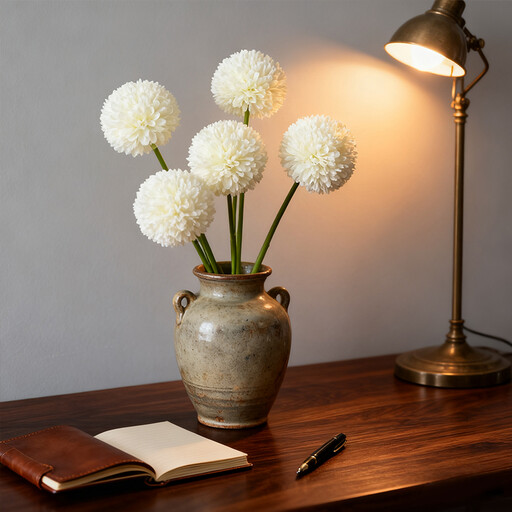
Why this product suits this profile: The set of six white artificial hydrangeas is a manageable size for a single vase, a small table arrangement or understated wedding decoration.
The stated quantity and white colour make planning easier. The product details also specify its intended use in vases and at weddings.
Six individual flower heads, a white colour and artificial fabric for a low-maintenance vase or table decoration.
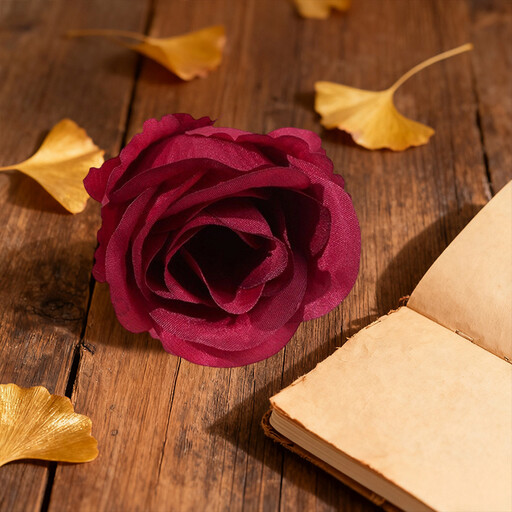
Why this product suits this profile: The combination of real-touch foam, plastic stems and cream and burgundy tones works well for bridal bouquets, table centrepieces and festive arrangements with colour contrast.
The material description specifies real-touch foam rather than an undefined fabric surface. The quantity of 20 stems also makes it easier to plan several DIY elements.
20 rose stems, a soft real-touch surface and two complementary colours for wedding and table decorations.
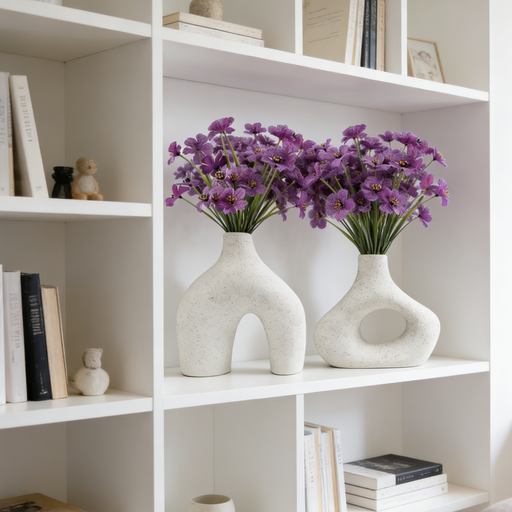
Why this product suits this profile: Four bunches containing a total of 20 flexible branches and 72 flower heads are designed for planters, window boxes, porches or recurring decorations.
The product details specify PE plastic, silk fabric, as well as water- and UV-resistant properties. This makes it easier to match the choice to outdoor areas, although severe weather conditions still need to be taken into account.
Four bunches, flexible branches and, according to the product description, suitability for indoor and outdoor areas.
Before arranging the flowers, carefully separate the branches from one another. Compressed flower heads may regain their shape after a few hours; for some hydrangeas, using a hairdryer on a low heat setting is also recommended. Stems reinforced with wire can be bent or cut to the required length. Take care with sharp wire ends when cutting.
A soft, dry cloth or feather duster is usually all you need for cleaning. Textile and foam flower heads should not be soaked completely in water. For products intended for sheltered outdoor areas, a slightly damp cloth may be helpful. Direct sunlight can gradually alter colours over time. Store artificial flowers in a dry, clean place away from heat.
We have put together a complete, regularly updated list of products that fully meet these strict selection criteria and the safety regulations applicable in the EU.
For lightweight arrangements, simply placing the stems directly in a vase is often sufficient. For greater stability, you can use floral foam, decorative stones or a suitable vase insert. The stem length should match the height and opening of the vase.
Their lifespan depends on the material, storage conditions and location. Indoors, they can be used for a long time if dust is removed regularly. Outdoors, UV radiation, moisture, wind and fluctuating temperatures have a greater impact on colours and materials.
Yes, provided the colour, style, stem length and quantity suit the overall concept. Artificial flowers for weddings include roses, tulips, hydrangeas, baby's breath and ready-made flower arrangements. When using candles on wedding tables, maintain a sufficient safety distance, as synthetic decorations can be flammable.