
Lieferung heute & morgen

Qualitätsgarantie

Willkommens-Angebote freischalten: KOSTENLOSE Lieferung | Bis zu 80 % RABATT | Kostenlose 30-Tage-JoyPlus-Testphase
App herunterladen
A well-kept balcony, an inviting patio, or a colourful garden area enhances any home. However, not everyone has the time or ability to care for real plants long-term. Artificial plants for outdoors offer a practical alternative—provided you choose the right product. Many buyers invest in models that fade quickly or become unsightly due to weathering. This guide will help you avoid common purchasing pitfalls and make a durable, attractive choice.
Manufacturers' promises often sound tempting, but the reality of outdoor conditions places high demands on the material. Pay attention to these three weak points to avoid a bad investment.
To ensure your low-maintenance balcony decor still looks impressive after several seasons, you should check three core parameters.
The material is the decisive factor for outdoor durability.
Good construction is evident in the details. Check how the leaves and flowers are attached to the stem. Secure connections prevent parts from falling off in wind or rain. For larger arrangements or to display multiple pots, a sturdy outdoor plant stand is essential. A metal flower stand, ideally powder-coated, provides a weather-resistant and stable base.
High-quality artificial plants are made with multiple layers of colour to imitate natural shades and gradients. The leaves should have different shades of green and clear veining. A matte finish looks significantly more realistic than a glossy surface.
Different products are suitable depending on the intended use and personal style. Here are some recommendations tailored to specific needs.
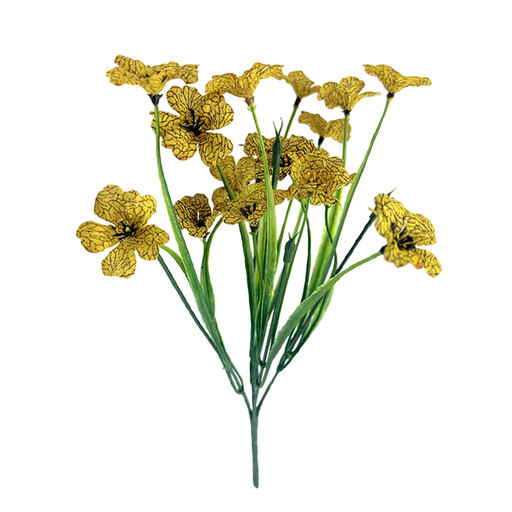
Why This Fits Their Persona: Ideal for users looking for a quick, straightforward, and cost-effective solution for balcony boxes or small pots. The set provides instant fullness and colour without much effort.
The product is explicitly described as being made from UV-resistant plastic, which counteracts the problem of rapid fading.
Delivered in a set of 9 bundles, offering good coverage and excellent value for money for a complete balcony box design.
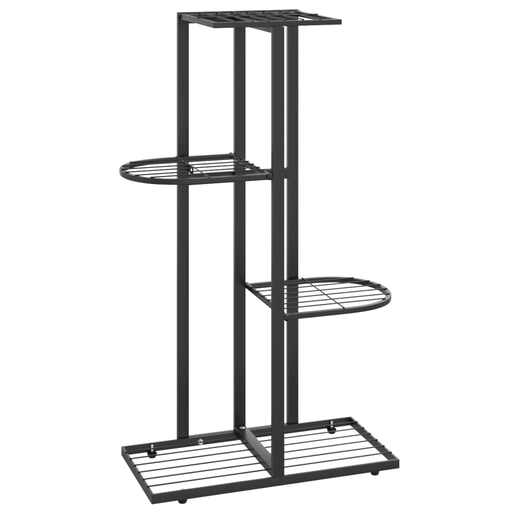
Why This Fits Their Persona: Perfect for users who prefer a structured and vertical presentation for their plants. This stand creates an elegant and space-saving decoration on patios or larger balconies.
The construction of powder-coated steel addresses the weakness of poor material quality. The coating protects against rust and weathering.
The 4-tier design makes efficient use of vertical space and allows for an attractive presentation of up to 5 pots. Each tier has a load capacity of approx. 5 kg.
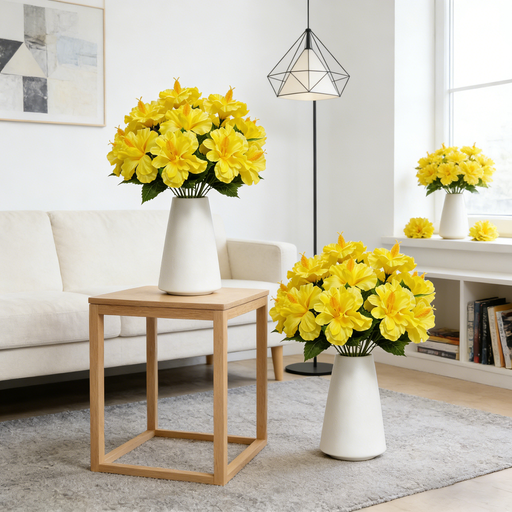
Why This Fits Their Persona: For users who place the highest value on a realistic appearance. The hibiscus flowers are excellent for creating elegant and lifelike accents in planters or as part of a larger arrangement.
By using high-quality silk material for the flowers and leaves, the unnatural plastic sheen is avoided. The description as water- and fade-resistant addresses durability concerns.
The combination of silk flowers and sturdy metal and plastic stems ensures a lifelike appearance while providing the necessary robustness for outdoor use.
You can find a carefully curated selection of products that meet these criteria in our Garden Decor category.
The lifespan depends directly on the material quality and UV protection. High-quality, UV-stabilised plastic plants or specially treated silk flowers can retain their colour and shape for several years. Cheaper models without this protection can fade after just one season. It is advisable to temporarily protect the plants during extreme weather conditions such as heavy hail or storms.
Cleaning is straightforward. Coarse dirt and dust can often be simply rinsed off with a garden hose or watering can. For more stubborn dirt, the leaves and flowers can be wiped with a soft, damp cloth. Avoid aggressive cleaning agents, as they can damage the surface and the UV protection.
Yes, many models designed for outdoor use can survive the winter. The material is the key. Flexible, high-quality plastic (PE) becomes less brittle in the cold than hard PVC. Products with stable, rust-proof wire cores also retain their shape in frost and snow. For very valuable arrangements, it may still be wise to move them to a sheltered location during extreme sub-zero temperatures.