
Lieferung heute & morgen

Qualitätsgarantie

Willkommens-Angebote freischalten: KOSTENLOSE Lieferung | Bis zu 80 % RABATT | Kostenlose 30-Tage-JoyPlus-Testphase
App herunterladen
Choosing the right tool is crucial for any artistic endeavour. Especially for detail work—whether in painting, model making, or miniature design—an unsuitable brush can be the difference between a successful piece and pure frustration. A high-quality artist brush set provides the necessary precision and control, but the sheer variety of shapes, sizes, and materials can make the decision difficult.
This guide is designed to provide you with objective information and clear criteria. We will introduce a selection of brush sets and explain their specific features to help you find the perfect tool for your needs—entirely free of marketing hype.
Before you make a decision, several fundamental characteristics should be considered. These factors determine a brush's performance, durability, and suitability for specific techniques and paints.
The bristles are the heart of any brush. Today's synthetic filaments are highly advanced and offer remarkable versatility. They are durable, easy to clean, and hold their shape well, making them an excellent choice for a brush set for acrylics and also for oil paints. Natural hair brushes are traditionally valued for their high paint-holding capacity and are particularly suitable as brushes for watercolour, but they require more careful maintenance. For most modern applications, especially detail work, synthetic brushes offer an outstanding price-to-performance ratio and consistent quality.
The shape of the brush tip defines the brushstroke. For fine lines and dots, fine paint brushes with a round, pointed shape (round brushes) are essential. Flat brushes are suitable for applying colour to large areas and creating sharp edges, while filbert brushes offer a combination of both and are ideal for soft transitions. A good detail brush set, especially for model making or for miniature brushes, typically includes a selection of very fine round brushes in various sizes (e.g., #0, #1, #2).
The ferrule is the metal piece that secures the bristles to the handle. A seamless, corrosion-resistant ferrule (often made of aluminium or nickel-plated brass) prevents hair loss and rust. The brush handle should be well-balanced and comfortable to hold, ensuring precise control even during long painting sessions. Ergonomically shaped or coated wooden handles are often a great choice here.
Based on the criteria above, we have compiled a selection of brush sets that stand out for their specific qualities in various fields of application.
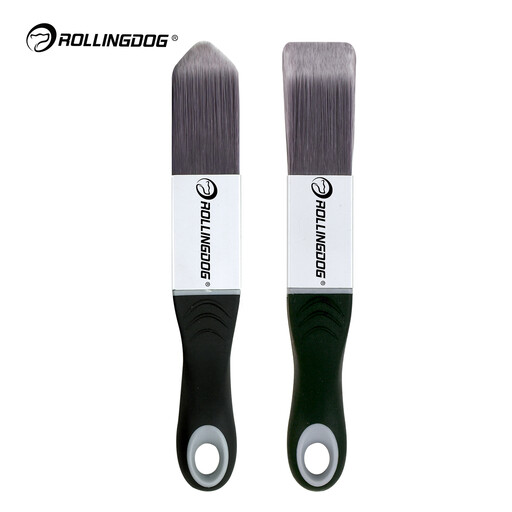
Why It Stands Out: This set focuses on a niche: ultra-precise detail work with unconventional brush head shapes. It includes a quadrilateral and a triangular brush, designed for special stroke effects and for accurately filling small, geometric areas. The Solid Round Tapered Filaments allow for exceptional control.
Advantages:
Who It's For? This set is a specialised addition for model makers, miniature painters, and artists who already have a basic set and are looking for special tools for the most intricate details and textures.
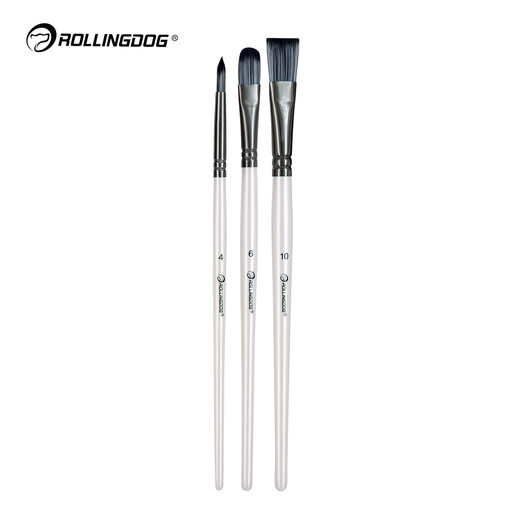
Why It Stands Out: This set provides the three fundamental brush shapes every artist needs: a flat brush (#10), a filbert brush (#6), and a round brush (#4). This combination makes it an extremely versatile starter or supplementary set. The smooth, coated wooden handles feel comfortable in hand, and the nickel-plated ferrules protect against corrosion.
Advantages:
Who It's For? Ideal for art students, hobby painters, and artists looking for a reliable and versatile professional brush set for various painting techniques, from broad washes to fine details.
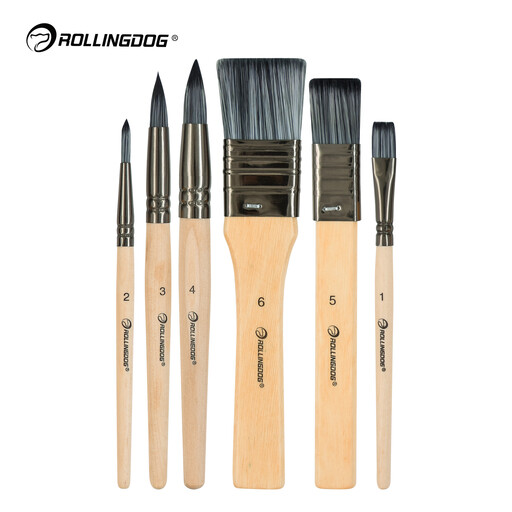
Why It Stands Out: This set is a comprehensive solution that covers a wide range of painting needs. It combines various sizes of round and flat brushes, including wider flat brushes for larger areas and very fine round brushes for details. The solid wood handles ensure good balance and control while painting.
Advantages:
Who It's For? This set is aimed at ambitious hobby artists and professionals who need a complete and reliable artist brush set for diverse projects and value a wide selection of brush sizes and shapes.
The selection presented here covers specific use cases. However, you may have different requirements or be looking for more specialised tools. In our category, you will find a broader range of brushes for a wide variety of artistic needs.
? Explore our full range of Professional Brushes and find the right tools for your next project.
1. How do I properly clean my artist brush set? Clean the brushes immediately after use. For water-based paints like acrylic or watercolour, lukewarm water and mild soap are sufficient. For oil paints, use a suitable brush cleaner or turpentine substitute. Gently work the paint out of the bristles, rinse the brush thoroughly, and gently reshape the tip with your fingers. Let the brushes dry lying flat or hanging to prevent water from seeping into the ferrule.
2. Which brush set is suitable for acrylic paints? A brush set for acrylics should ideally consist of durable synthetic bristles. Acrylic paints dry quickly and can be harsh on brush hairs. Synthetic filaments are resilient, retain their shape, and are easier to clean of dried paint than natural hair brushes. All the ROLLINGDOG sets presented here are designed for use with acrylic paints.
3. What is the difference between round and flat brushes? Round brushes taper to a fine point and are excellent for lines, outlines, and detail work. Depending on the pressure applied, they can create both fine and broader strokes. Flat brushes have a straight, wide edge and are used for applying colour to large areas, creating sharp edges, and making wide, even brushstrokes.