
Lieferung heute & morgen

Qualitätsgarantie

Willkommens-Angebote freischalten: KOSTENLOSE Lieferung | Bis zu 80 % RABATT | Kostenlose 30-Tage-JoyPlus-Testphase
App herunterladen
Choosing the right tools is a crucial step for any artist, illustrator, or ambitious hobbyist. A high-quality artist colored pencil set can be the difference between a good piece of art and an outstanding one. However, the market is filled with a multitude of options that vary in pigment type, hardness, and application. This guide is designed to provide clarity, explain the most important selection criteria, and present a curated selection of products for various artistic needs.
Before making a decision, it's helpful to understand a few fundamental characteristics of professional colored pencils. These features determine how the pencils behave during drawing and which techniques they are best suited for.
The composition of the core significantly influences the drawing properties. The most common types are:
For using professional colored pencils, two factors are critical: pigment density and lightfastness. A high pigment concentration ensures vibrant, rich colors with minimal pressure. Lightfastness indicates how resistant the colors are to fading from light exposure. For works intended for exhibition or sale, a high lightfastness rating is essential to guarantee the longevity of the colors.
Colored pencils in a metal tin are more than just appealing packaging. The tin provides robust protection for the delicate cores, both during storage in the studio and while traveling. The individual trays keep the pencils organized and within easy reach, streamlining the creative process.
Based on the criteria mentioned, we have compiled a selection of pencils that are suitable for different artistic needs.
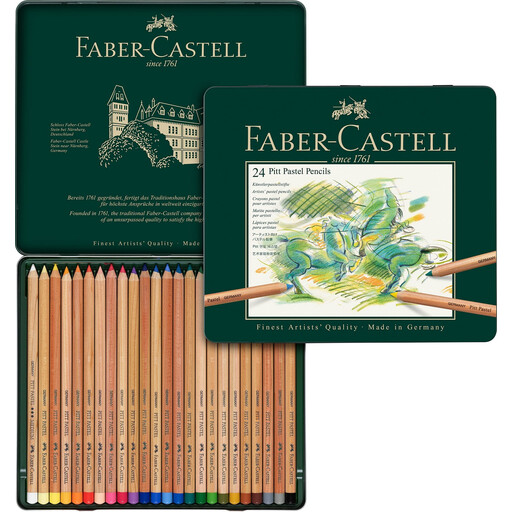
Why It Stands Out This set combines the advantages of pastel chalks with the handling of a pencil. The pastel pencils contain highly pigmented, wax-free cores that are excellent for fine details and can be easily smudged to create soft color gradients. The robust 4.3 mm core allows for a rich color laydown.
Pros
Who It's For This set is an excellent choice for artists specializing in portraits, still lifes, and landscapes who want to combine the texture of pastels with the precision of pencils for drawing.
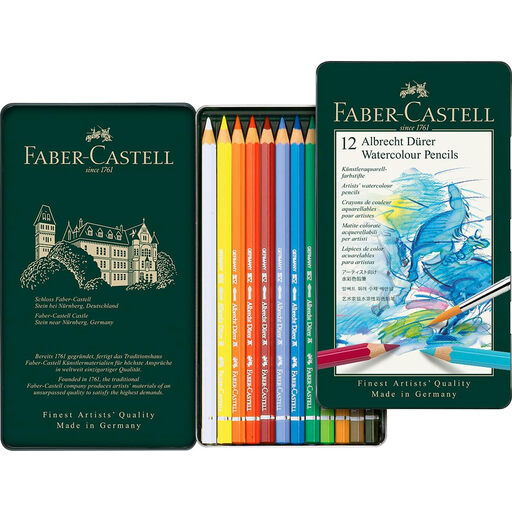
Why It Stands Out The Albrecht Dürer artist-grade colored pencils are renowned for their complete water-solubility. The pigments dissolve upon contact with water, enabling classic watercolor effects. The 3.8 mm core ensures a soft, rich color stroke, and many colors feature a high lightfastness rating.
Pros
Who It's For Ideal for illustrators, designers, and any artist looking to combine the precision of drawing with the expressiveness of watercolor painting. It's a versatile tool for mixed-media applications.
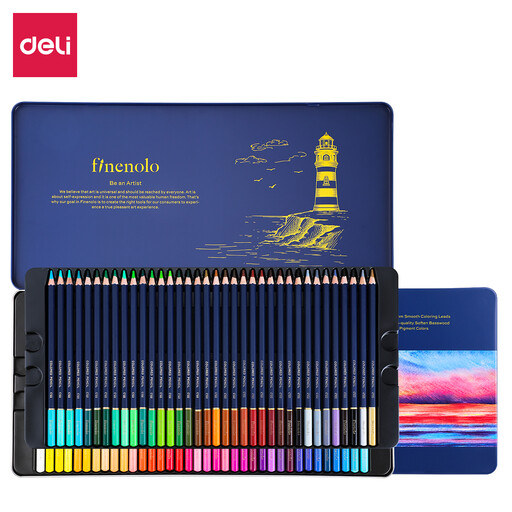
Why It Stands Out With 72 colors, this set offers an exceptionally broad palette for creative projects. The pencils are wax-based, allowing for smooth application and easy blending. The large color selection makes it a practical set for complex illustrations and coloring intricate coloring books.
Pros
Who It's For This set is aimed at hobby artists, art students, and colored pencils for adults enthusiasts who need a large color palette for their projects without immediately investing in high-end professional sets.
The selection presented here covers specific use cases. If you haven't found the right product for your project or are looking for other alternatives, you can find additional options in our broader product category.
Explore our entire range of Pencil & Stationery Sets to find more pencils for drawing and your artistic endeavors.
The main difference lies in the quality of the materials. Artist-grade colored pencils contain a higher concentration of high-quality pigments, resulting in more intense colors. They offer better lightfastness to prevent fading. Additionally, the core's binder formula is designed to allow for smooth layering and blending, while the wood casing is often made from higher-quality wood to facilitate sharpening and protect the core.
The choice of paper depends on the desired technique. For fine details and smooth color application, paper with a smooth surface (e.g., hot-press watercolor paper or Bristol board) is ideal. For techniques involving many layers, a paper with a slight texture (tooth) is beneficial as it can hold more pigment. For watercolor pencils, special watercolor paper with a weight of at least 200 g/m? is recommended to prevent the paper from buckling.
Watercolor pencils can be used in two main ways. First, they can be used dry, just like traditional colored pencils, for drawing and shading. Second, they can be used wet: after applying color, go over the drawing with a damp brush, which dissolves the pigments and creates a transparent, watercolor-like effect. You can also lift pigment directly from the pencil tip with a wet brush or draw on wet paper to create more intense, fluid lines.