
Lieferung heute & morgen

Qualitätsgarantie

Willkommens-Angebote freischalten: KOSTENLOSE Lieferung | Bis zu 80 % RABATT | Kostenlose 30-Tage-JoyPlus-Testphase
App herunterladen
As a Joybuy Product Recommendation Officer, I'm here to help you navigate our selection. Those searching for authentic beans for Asian dishes often face the challenge of identifying the right varieties and understanding their specific uses. This guide provides a practical overview of popular Asian bean varieties and presents a selection of products you can order directly online. Our goal is to provide you with the information you need to make an informed decision when you're ready to buy Asian beans.
Choosing the right beans depends on your planned dish and your quality standards. Here are three criteria to help you decide.
Asian beans are incredibly versatile in the kitchen, but not every bean is suitable for every recipe.
For health-conscious consumers, the quality of the legumes is a crucial factor. If you prioritise organic farming, look for products with a recognised organic seal. These organic legumes are grown without the use of synthetic pesticides or fertilisers. The country of origin on the packaging can also be an indicator of the variety's authenticity.
Dried beans are an excellent source of vegan protein. The protein content can vary depending on the variety. A look at the nutrition facts label provides details on the exact content of protein, fibre, and other micronutrients. This is an important factor to consider for a balanced diet.
Here is a selection of dried beans suitable for a variety of Asian recipes.
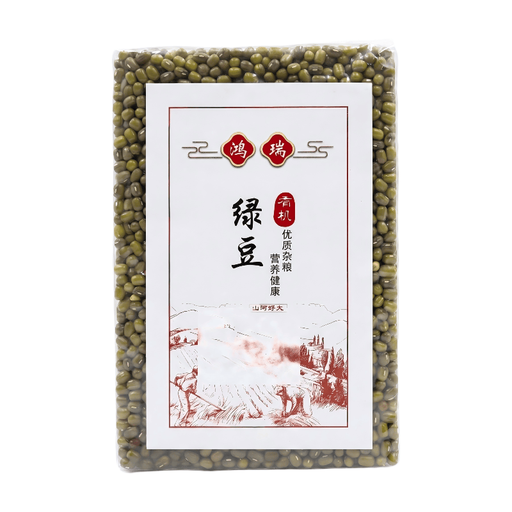
Why It Stands Out: These mung beans are certified organic and come from controlled organic farming. Their versatility makes them a staple ingredient for soups, stews, desserts, or homegrown sprouts.
Product Details:
Who It's For: Ideal for cooks looking for a versatile, protein-rich bean for authentic Asian dishes who also value organic quality. Anyone specifically looking to buy mung beans will find this to be a solid product.
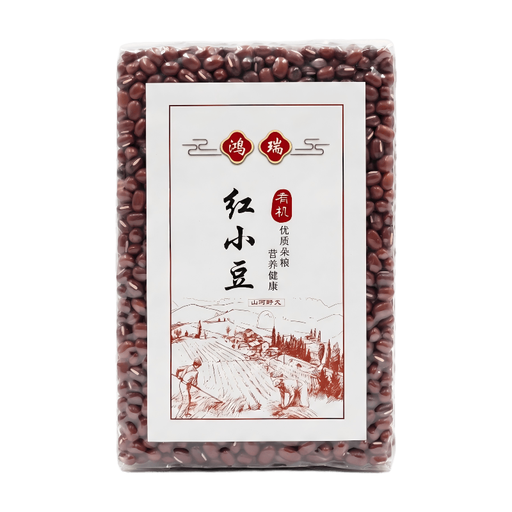
Why It Stands Out: These red adzuki beans are also certified organic and are the classic choice for preparing sweet red bean paste (anko). Their nutty-sweet flavour is characteristic of many Asian desserts.
Product Details:
Who It's For: Perfect for home bakers and lovers of Asian sweets who want to make authentic red bean paste themselves. A great choice for anyone looking to buy adzuki beans to enhance their desserts.
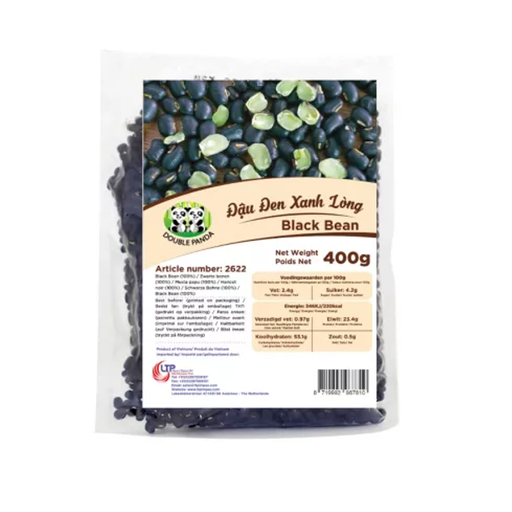
Why It Stands Out: These black beans from Vietnam stand out for their particularly high protein content and are suitable for both savoury dishes and traditional Vietnamese desserts like chè. The product consists of 100% beans with no additives.
Product Details:
Who It's For: Suitable for cooks looking for a protein-rich bean with a mild, earthy flavour. Anyone wanting to buy black beans to prepare both savoury sauces and nutritious desserts will find this product to be an excellent choice.
The world of legumes is vast. If the products featured here aren't exactly what you're looking for, or if you need other varieties like soybeans, kidney beans, or lentils, you might find the perfect match in our broader selection.
? Explore the entire range of dried beans here
The soaking time for dried beans online varies depending on the variety and age of the beans. As a general guideline:
No, mung beans and soybeans are two different plant species. Mung beans are smaller, usually green, and have a milder flavour. Soybeans are larger, typically cream-coloured, and are the base for products like tofu, soy milk, and tempeh.
Adzuki beans are mainly used for sweet preparations in East Asian cuisine. Their primary use is to make red bean paste (anko), which serves as a filling for pastries (e.g., mooncakes, dorayaki), desserts (e.g., ice cream), and soups (e.g., zenzai).