
Lieferung heute & morgen

Qualitätsgarantie

Willkommens-Angebote freischalten: KOSTENLOSE Lieferung | Bis zu 80 % RABATT | Kostenlose 30-Tage-JoyPlus-Testphase
App herunterladen
If you’re looking to buy Asian bean paste, you’ll find plenty of products with similar names on sale in the UK, but their flavour profiles can be very different. Doubanjiang, Pixian bean paste, Chunjang and Doenjang are not interchangeable. Choose the wrong paste and your dish could turn out too salty, too sweet or much hotter than intended.
When choosing, focus less on marketing terms and more on the details on the label: ingredients, salt content, heat level, fermentation method, pack size and storage instructions.
A Chinese fermented bean paste often contains soybeans or broad beans, wheat flour and salt, and sometimes chilli. Pixian Doubanjiang is typically made with chilli and broad beans, and is well suited to Sichuan dishes such as Mapo Tofu.
Korean Doenjang, by contrast, is made from fermented soybeans and is mainly used in soups, stews, marinades and dipping sauces. Chunjang is a dark Korean soybean paste used to make Jajangmyeon sauce. Ignore these differences and you could end up with a paste that doesn’t suit the dish you’re planning to make.
Terms such as “Hot”, “Chilli” or “Spicy” give you a rough idea, but don’t indicate a standard level of heat. Many seasoning pastes are also relatively high in salt. According to the product labels, for example, the salt content of the products featured ranges from around 9 g to over 23 g per 100 g.
So start with a small amount of paste and adjust to taste. This is particularly important for Mapo Tofu sauce, soups and marinades, which often include soy sauce, stock or other salty ingredients.
Packs of 800 g or 750 g can be good value for families, food businesses and anyone who regularly cooks stir-fries. If you only cook with bean paste now and then, a 150 g to 360 g jar is often easier to use up. Many products need to be refrigerated after opening. Always check the packaging for specific storage guidance and use-by information.
For Chinese dishes, the best choice depends on the recipe:
Check the allergen information too. Many products contain soya and wheat or gluten. Some pastes also contain sugar, sweeteners, flavour enhancers or preservatives. The ingredients list is therefore more informative than terms such as “traditional” or “authentic”.
Hot bean paste is usually not used like a ready-made sauce. Instead, it’s combined in small amounts with oil, vegetables, tofu, meat or stock. With Pixian products, it’s often best to fry the paste briefly in oil. This helps bring out the flavour and makes it easier to distribute evenly.
A mild fermented bean paste, on the other hand, may need to be used more generously as a dip or noodle sauce. The right amount depends on how you plan to use it: as a seasoning base, marinade, dip or ready-made sauce.
Jars of 150 g, 250 g or 300 g are handy if you live alone or are trying bean paste for the first time. If you regularly cook authentic Sichuan or stir-fry dishes, you might prefer a 500 g, 750 g or 800 g pack.
After opening, use clean utensils and store the paste according to the instructions on the packaging. Several of the products need to be refrigerated once opened. The colour, oil layer or consistency of fermented pastes may change over time. If you’re unsure, check the best-before date and follow the manufacturer’s guidance.
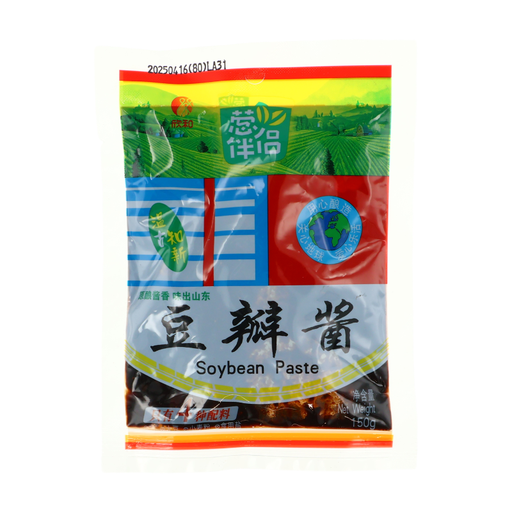
Why it suits this cooking style: The 150 g pack is a good choice if you’d like to try Chinese bean paste in small amounts in stir-fries, braised dishes or dips.
The manageable pack size reduces the risk of having a large jar left unfinished after just a few uses.
According to the product label: 150 g, made with soybean, wheat flour and salt; suitable for seasoning and dipping.
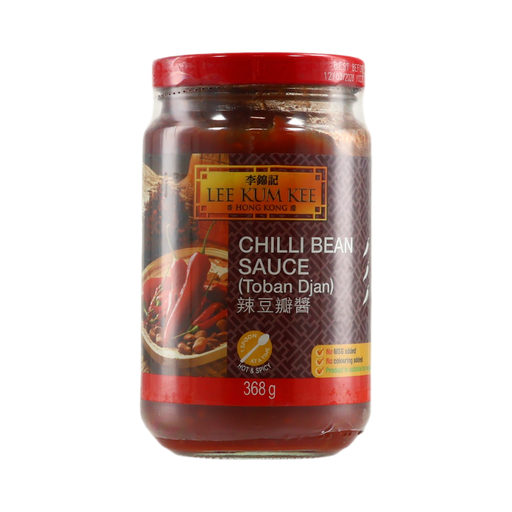
Why it suits this cooking style: Made with broad beans, soybeans and chilli, this paste is designed for classic Sichuan and Hunan dishes, including Mapo Tofu and stir-fries.
The product description clearly identifies the chilli, beans and use as a cooking base, rather than suggesting it’s a mild soybean paste.
368 g pack; the product label states 11,3 g of salt per 100 g and gives clear instructions to fry the paste briefly in oil.
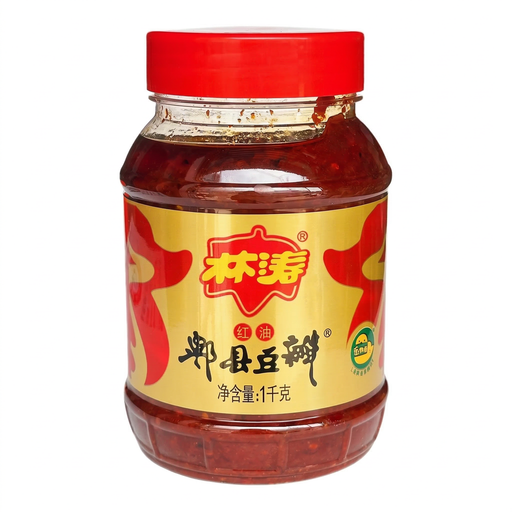
Why it suits this cooking style: The 750 g pack is aimed at households, stir-fry enthusiasts and food businesses that regularly use Pixian bean paste for Mapo Tofu, marinades or braised dishes.
The product information covers its origin, ingredients, heat level and storage after opening, making it easier to plan how it fits into your cooking routine.
According to the product label: 750 g, with broad beans and chilli as key ingredients; refrigerate after opening.
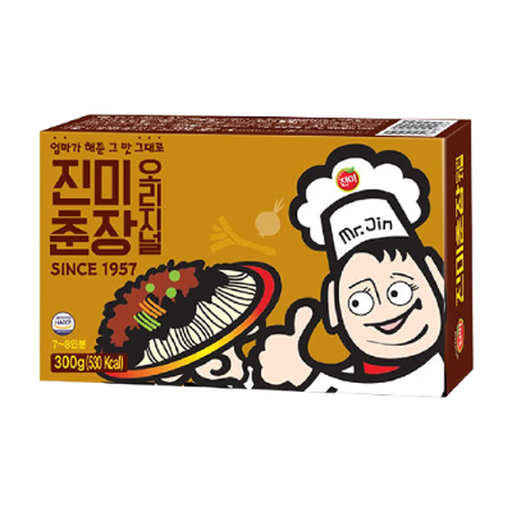
Why it suits this cooking style: Chunjang is made for Jajangmyeon and Jajangbap, making it quite different from hot Doubanjiang.
The label identifies it as Chunjang and recommends the typical method of frying it in oil, helping you avoid using it by mistake as a chilli bean paste.
300 g pack, with fermented soybeans and wheat flour according to the product information; intended for Jajangmyeon sauce, noodles and marinades.
We’ve put together a complete, regularly updated list of products that meet these strict selection criteria and fully comply with the safety regulations in force in the EU.
Doubanjiang or Pixian bean paste is often used for Mapo Tofu. These products usually contain chilli and broad beans, and are fried in oil before the tofu and other ingredients are added. As salt and heat levels vary, start with a small amount and adjust to taste.
Doenjang is a savoury Korean soybean paste used in soups, stews, marinades and dips. Chunjang is a dark bean paste used mainly as the base for Jajangmyeon sauce. The two pastes have different uses and shouldn’t be swapped in a recipe without making adjustments.
It depends on the product. Many pastes need to be refrigerated after opening. Always follow the instructions on the label. Use clean utensils, seal the jar tightly and check the smell, colour and consistency before use.