
Lieferung heute & morgen

Qualitätsgarantie

Willkommens-Angebote freischalten: KOSTENLOSE Lieferung | Bis zu 80 % RABATT | Kostenlose 30-Tage-JoyPlus-Testphase
App herunterladen
An Asian bean sauce can add a punchy, savoury note to stir-fries, noodles, marinades and dips. However, products differ significantly in terms of bean type, heat, sweetness, salt content and intended use. If you buy solely by the name on the label, you might end up with a sauce that isn't right for the recipe you have in mind.
This guide highlights what households, home cooks, vegetarian and vegan kitchens, and catering businesses should look for when making a purchase.
"Bean sauce", "bean paste" and "fermented bean paste" aren't always used consistently in shops. A Chinese black bean sauce is often made from fermented black soya beans and works well in stir-fries, steamed vegetables, fish or meat. A sweet bean paste, like the sauce for Peking noodles or Zhajiangmian, has a completely different flavour profile.
Likewise, Doubanjiang, Pixian Doubanjiang and Toban Djan are not automatically the same. These varieties usually contain broad beans, chilli and salt, and are mainly used in Sichuan dishes. For a sauce for Mapo Tofu, a spicy chilli bean paste is generally more suitable than a sweet bean paste.
A sauce might look mild on the packaging, but can taste intense thanks to chilli, pepper or fermented ingredients. Conversely, Hoisin sauce, Korean black bean paste or Chunjang often contain sugar or sweetening ingredients. That's desirable for marinades and barbecue dishes, but it won't suit every soup or stir-fry recipe.
A 750g or 1kg container is worthwhile mainly if you cook regularly. Once opened, many products need cool storage or a spot in the fridge. If you only use it occasionally, a smaller jar or a portion pack may be more sensible, so you can use the sauce within the recommended time.
The ingredients list gives a more reliable indication than the front of the packaging. Pay particular attention to:
If you have allergies or intolerances, check the information on soya, wheat, gluten, sesame and peanuts before buying. Vegetarian or vegan diets also require a look at the full ingredients list, as recipes vary by brand.
Fermented sauces are often high in salt. The nutrition table usually refers to 100g, whereas in cooking you often use only one or two tablespoons. Even so, it's worth comparing the values and being sparing with extra soya sauce or salt at first.
For sweet-savoury dishes, Hoisin sauce or sweet bean paste are good options. For robust, spicy stir-fries, Toban Djan or Pixian pastes work well. If you're after a milder seasoning base, you can opt for a non-spicy soya bean paste or miso paste.
For a household, 250g to 500g is often enough. Catering businesses and heavy users can plan better with 750g or 1kg. Once opened, many sauces should be kept chilled, handled with clean utensils and sealed tightly. Always follow the instructions on the label.
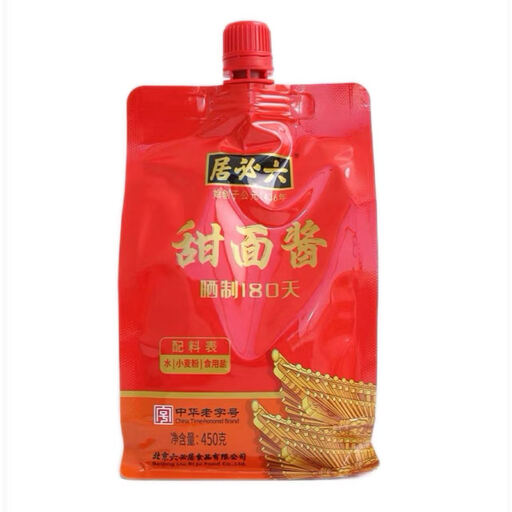
Why this product fits the profile: This ready-to-use sweet bean paste is suitable for Zhajiangmian, stir-fries, braised dishes and as a dip. At 450g, it offers a medium size for regular cooking.
The ingredients list states water, wheat flour and salt. The flavour is therefore clearly that of a sweet bean paste and cannot be confused with spicy Doubanjiang.
Ready-to-use consistency and a straightforward ingredients list. Contains wheat and gluten.
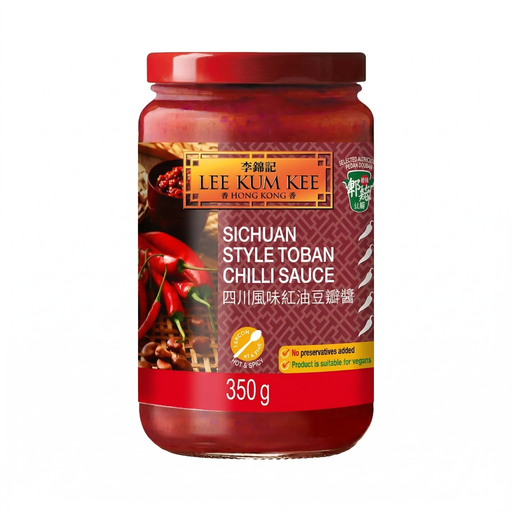
Why this product fits the profile: According to the product information, this sauce contains 30% Pixian Doubanjiang and is intended for Mapo Tofu, twice-cooked pork, noodles and stir-fries.
The declared composition distinguishes it from sweet bean paste. The product should be fried briefly in oil before adding other ingredients.
Contains broad beans, chilli and Pixian Doubanjiang. 350g jar for repeated use. Contains wheat and soya.
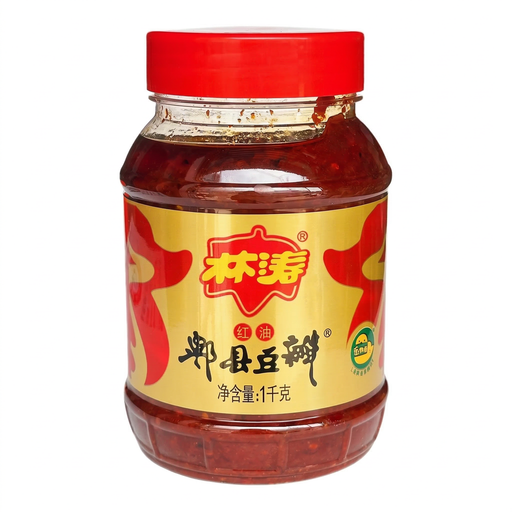
Why this product fits the profile: The 750g pack is aimed at households that use a wok frequently, as well as professional kitchens. The paste is specified for Mapo Tofu, hotpot bases, marinades and noodle dishes.
The ingredients are clearly listed as broad beans, chilli, salt and wheat flour. The salt content of approximately 4,200mg sodium per 100g makes careful dosing advisable.
Large 750g quantity and traditional product positioning from Sichuan. Store in a cool place after opening, according to the product information.
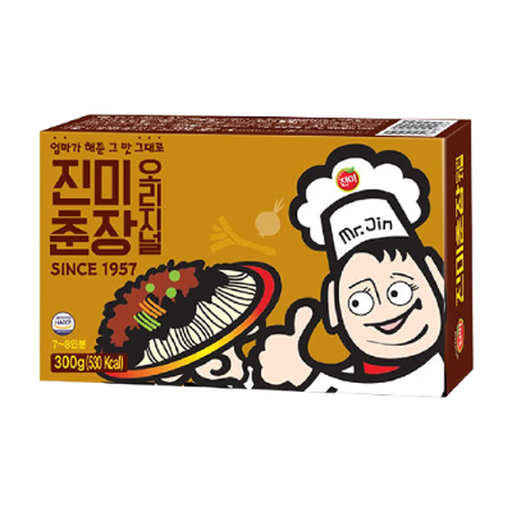
Why this product fits the profile: This Korean fermented black bean paste is intended as Chunjang for Jjajangmyeon, Jjajangbap, stir-fries and marinades.
The product name indicates Chunjang and prevents confusion with spicy Doubanjiang. The paste is fried in oil before further preparation.
300g pack and suitable for noodles, rice dishes and marinades. Contains soya and gluten-containing grains.
We've put together a full, regularly updated list of products that fully meet these strict selection criteria and the safety regulations in force in the EU.
For many fermented pastes, a quick fry in oil improves the aroma. To do this, warm a small amount over a medium heat, then add vegetables, tofu, noodles or meat. With very salty products, add the sauce gradually.
A black bean sauce can be stirred directly into a stir-fry sauce. Ssamjang is better suited as a dip for barbecue dishes, vegetables or salad wraps. For Japanese dishes, miso paste is a category of its own, with a mild, salty and sometimes slightly sweet note. Hoisin sauce is often used for marinades, barbecue dishes and as a table sauce.
Once opened, use clean utensils so that no extra germs get into the jar. Always follow the manufacturer's storage and usage instructions. If you notice an unusual smell, mould or changes in texture, the product should not be used.
For Mapo Tofu, a spicy chilli bean paste such as Toban Djan or Pixian Doubanjiang is typically used. A ready-made Mapo Tofu sauce can simplify preparation. Sweet bean paste or Hoisin sauce, on the other hand, will create a different flavour profile.
Doubanjiang is usually made from broad beans, chilli and salt, and is often spicy. Black bean sauce is typically based on fermented black soya beans and is used for savoury stir-fries, steaming and marinades. Check the ingredients list and heat level before buying.
That depends on the recipe, packaging and manufacturer's instructions. Many products should be kept chilled after opening and handled with clean utensils. The best-before date and the information on the label are what matter.