
Lieferung heute & morgen

Qualitätsgarantie

Willkommens-Angebote freischalten: KOSTENLOSE Lieferung | Bis zu 80 % RABATT | Kostenlose 30-Tage-JoyPlus-Testphase
App herunterladen
As a Joybuy Product Recommendation Officer, I see consumers navigate marketing promises and an overwhelming selection of products every day. When it comes to buying Asian beer, in particular, there are several recurring pitfalls that can lead to a disappointing experience. The goal of this guide is to provide you with objective criteria to make an informed decision and find the right beer for your taste and occasion.
Before you place an order, you should be aware of the most common mistakes that often lead to disappointment.
To avoid these pitfalls, focus on the following objective characteristics. They will help you separate the wheat from the chaff.
Asian beers are predominantly pale lagers, known for their crisp, refreshing, and often dry character. However, there are subtle differences within this category:
The country of origin is a strong indicator of authenticity. A Japanese beer brewed in Japan or a Korean beer from Korea typically offers the originally intended taste experience. Brands like Sapporo Beer, founded in 1876, or Kirin and Tsingtao have a long brewing tradition and stand for a consistent standard of quality.
For regular enjoyment or for stocking up for social occasions, package size is a crucial factor. A 24-pack of beer cans is not only practical but, in most cases, significantly lowers the price per litre. Always compare the total volume (e.g., 24 x 0.33L = 7.92L) with the total price to determine the actual value. Cans also offer the advantage of completely protecting the beer from light, thus preserving its freshness.
Based on the criteria above, we have identified some products that are well-suited for specific user profiles.
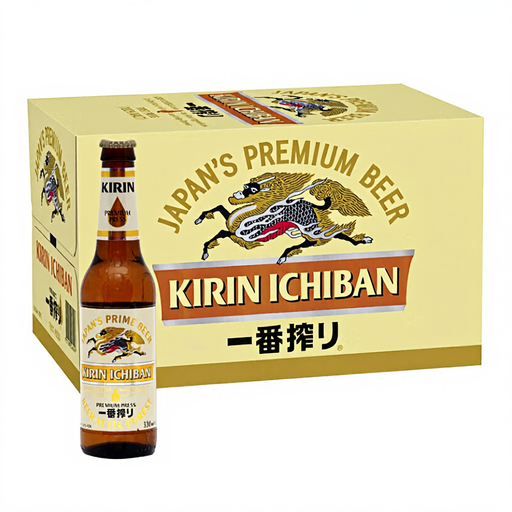
Why it's a good fit: Ideal for those seeking an authentic beer to pair with sushi, sashimi, or light ramen dishes. The clean, mild taste complements the delicate flavours of the food rather than overpowering them.
The "First Press" method ensures a specific, high-quality flavour profile, setting it apart from generic "Asian lagers." It solves the problem of a mismatched flavour profile.
Exceptionally pure and smooth taste due to the Ichiban Shibori process. An excellent companion for delicate Japanese cuisine.
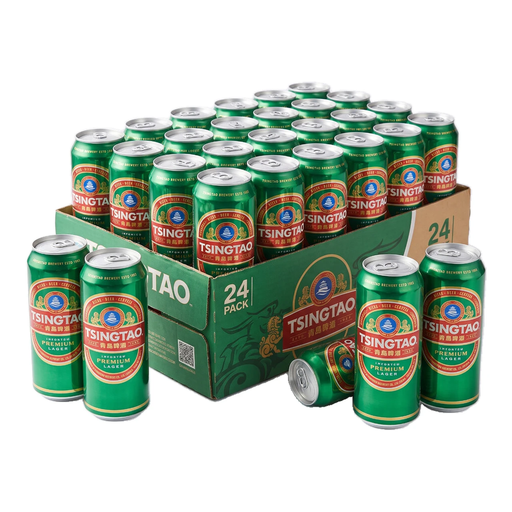
Why it's a good fit: For those stocking up for parties, barbecues, or get-togethers with friends. Tsingtao is an internationally known and approachable lager classic that pairs well with a wide variety of dishes.
Buying a 24-pack offers great value and avoids the trap of paying inflated prices for single units. It's an economical choice for bulk purchases.
Highly versatile and internationally recognised, making it a safe choice for groups with diverse tastes. Crisp and refreshing character.
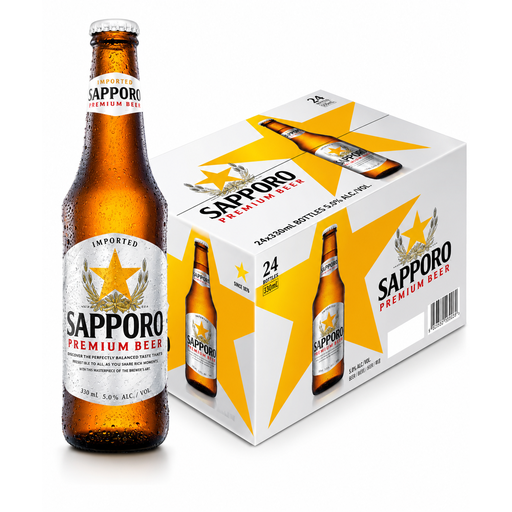
Why it's a good fit: For connoisseurs who value history and tradition. Sapporo is one of Japan's oldest beer brands, founded by a brewer who learned his craft in Germany. This is reflected in its classic, well-balanced pilsner taste.
This beer represents authentic brewing tradition and sidesteps the authenticity trap. It is not a short-lived trend product, but an established brand with a traceable history and quality.
A combination of Japanese origin and German-influenced brewing artistry. Offers a crisp, refreshing, and perfectly balanced taste.
We have compiled a complete, up-to-date list of products that meet these strict selection criteria and quality standards.
1. Which Asian beer pairs best with sushi? Light, dry lagers are particularly suitable for sushi and other delicate fish dishes. Varieties like Kirin Ichiban or Sapporo Beer are a great choice, as their clean finish complements the natural flavours of the ingredients without overpowering them.
2. Is buying a 24-pack of Asian beer online worth it? Yes, in most cases, buying a 24-pack of beer cans is economically sensible if you enjoy Asian beer regularly or want to stock up for guests. The price per litre is often significantly lower than buying single bottles or cans in a physical store. Pay attention to the delivery terms to assess the overall value.
3. What is the fundamental difference between Japanese and Korean beer? Although both are typically pale lagers, there are certain tendencies. Japanese beer is often heavily influenced by German brewing styles, resulting in a dry, malty, and crisp taste. Korean beer, such as Cass, is often even lighter, milder, and more sessionable, frequently brewed using rice or corn, which makes it a very straightforward companion for social gatherings.