
Lieferung heute & morgen

Qualitätsgarantie

Willkommens-Angebote freischalten: KOSTENLOSE Lieferung | Bis zu 80 % RABATT | Kostenlose 30-Tage-JoyPlus-Testphase
App herunterladen
Buying authentic Asian beverages online can be complex. Often, appealing labels hide products that have little in common with their traditional counterparts. Many consumers invest in what they believe are specialty drinks, only to find they are overly sweetened or that the quality doesn't meet their expectations. This guide will help you identify the key characteristics to make an informed choice.
Before making a purchase, it's helpful to be aware of three common issues that can lead to disappointment:
Nuruk (fermentation starter) for makgeolli, is often missing. This makes it difficult for consumers to distinguish between a high-quality and a low-quality product.To ensure you get a product that meets your expectations, you should check three key aspects. These will help you objectively assess a beverage's quality and suitability.
The production method is a direct indicator of authenticity.
order sake online, pay attention to its classification. A Junmai sake is made exclusively from rice, water, yeast, and koji mould, with no added brewer's alcohol. The rice polishing ratio indicates what percentage of the rice grain has been polished away—a lower value (e.g., under 60% for Ginjo) often points to a more refined aroma.Makgeolli is a cloudy, slightly sweet-and-sour rice wine. Check whether it is pasteurised (longer shelf life) or unpasteurised ('Saeng,' fresh with active yeasts). The latter offers a more complex flavour profile.Genmaicha tea consists of a balanced blend of green tea leaves (often Bancha or Sencha) and roasted brown rice. The ratio of these two components determines its nutty yet fresh aroma.A short and clear ingredient list is often a good sign.
Shikhye rice drink is a good example. It is traditionally made from barley malt water and rice, getting its sweetness naturally. The ingredient list should reflect this and not contain excessive amounts of added sugar or artificial sweeteners.The right equipment maximises the drinking experience, especially for on-the-go consumption or home preparation.
travel kettle with temperature settings is ideal for this. For enjoyment on the go, a double-walled insulated tumbler keeps hot drinks warm and cold drinks refreshingly cool.glass tumblers with lids and straws are not only practical for cold Asian specialities like iced tea or Shikhye, but also visually appealing and reusable.Here is a selection of products tailored to specific needs and preferences.
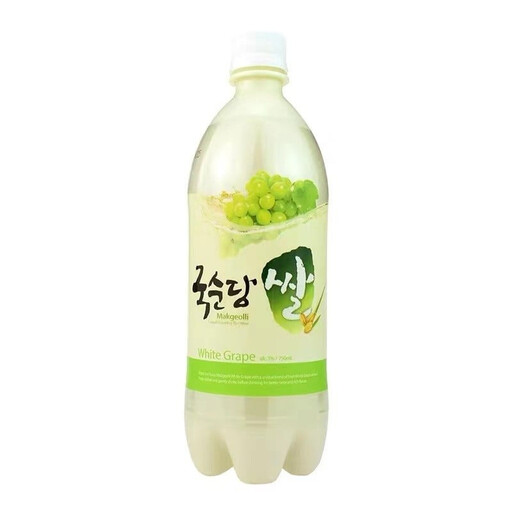
Why This Fits Their Persona: This flavoured version of the traditional Korean rice wine is particularly approachable due to its fruity sweetness and mild character. It's an excellent choice for those looking to buy makgeolli for the first time and who want a straightforward, refreshing drink.
The product is clearly declared as a flavoured rice wine and doesn't pretend to be a purely traditional brew. The ingredient list is transparent, explicitly naming the white grape flavour.
Combines the creamy texture of makgeolli with the sweet aroma of white grapes. Served chilled, it's a light and social drink.
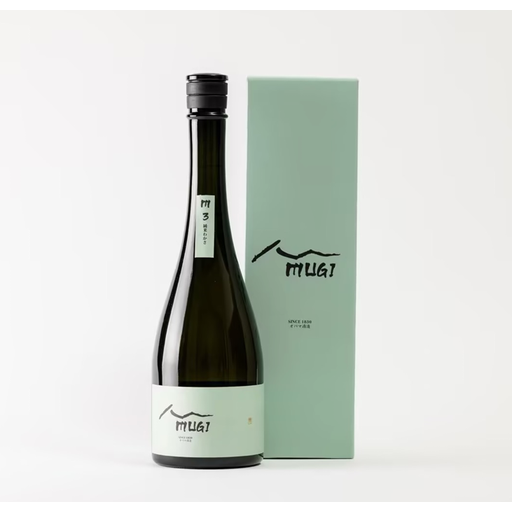
Why This Fits Their Persona: This sake is classified as Junmai, meaning it is a pure rice sake with no added alcohol. It is aimed at purists who appreciate authentic Japanese beverages and value traditional brewing artistry.
The "Junmai" classification and the stated 65% rice polishing ratio are transparent quality markers that go beyond vague marketing promises, offering clear guidance for the connoisseur.
Made from Gohyakumangoku rice, known for its light body and clean texture. All ingredients are sourced from Fukui Prefecture, a testament to local craftsmanship.
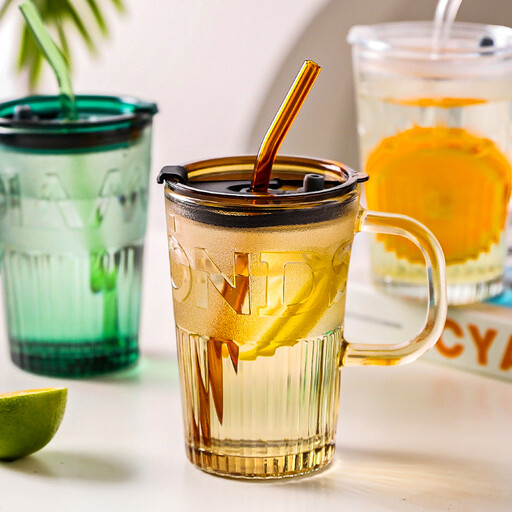
Why This Fits Their Persona: This set of glass tumblers with lids and straws combines appealing design with high functionality. It is ideal for those who want to enjoy their cold Asian specialities like iced tea, smoothies, or Shikhye in style, whether at home or on the go.
It solves the problem of inappropriate accessories by offering a thoughtful, all-in-one solution. Instead of a simple glass, you get a reusable system that is practical and leak-proof.
The ribbed glass design is aesthetically pleasing and provides a good grip. The combination of glass, lid, and straw is perfect for cold beverages.
1. How should I store sake and makgeolli after opening? Opened sake, especially unpasteurised varieties like Junmai, and fresh makgeolli should always be stored in the refrigerator. To minimise the loss of flavour, it is recommended to keep the bottle tightly sealed and consume the contents within a few days to a week at most. Pasteurised makgeolli generally lasts a bit longer.
2. Can Asian rice wines also be used for cooking? Yes, basic types of sake and traditional, unsweetened makgeolli work well as cooking ingredients. They can be used to tenderise meat, add a delicate note to fish dishes, or give sauces a subtle sweetness and depth of flavour. Heavily flavoured or very sweet varieties are less suitable for cooking.
3. What is the difference between Shikhye and Makgeolli? Although both are rice-based, they are two fundamentally different beverages. The Shikhye rice drink is a sweet, non-alcoholic dessert beverage made from barley malt and cooked rice grains. Makgeolli, on the other hand, is an alcoholic, fermented rice wine characterised by its milky, cloudy appearance and a slightly sour, sparkling taste.