
Lieferung heute & morgen

Qualitätsgarantie

Willkommens-Angebote freischalten: KOSTENLOSE Lieferung | Bis zu 80 % RABATT | Kostenlose 30-Tage-JoyPlus-Testphase
App herunterladen
Asian biscuit sticks combine crunchy biscuits with chocolate, fruit cream, matcha or spicy mala notes. With Japanese snacks and Korean snacks in particular, the selection can look straightforward at first glance, but product names and packaging don’t always reveal what’s actually inside the box. If you buy purely on brand or eye-catching design, you might end up paying for a small pack, get an unexpectedly sweet flavour, or overlook important allergens.
This shopping guide shows what German consumers should look for when buying Asian biscuit sticks, and which varieties suit different everyday situations.
Many products look bigger in product images than they actually are. Typical packs range between 35 and 54 grams. Larger formats, such as the 110 g packs from Dorkbua, are better suited for sharing or stocking up. For on-the-go or a snack box, smaller individual packs are more practical.
So pay attention to:
The flavour can be present as powder, cream, fruit pieces or flavouring. For example, the Glico Pocky Biscuits Matcha Flavor states a matcha content of 10 %. The Tokimeki biscuit sticks and Glico Pejoy Matcha Mousse each list 5 % matcha powder. These details allow for a more objective comparison than vague terms like “intense” or “authentic”.
There are also differences with strawberry products: Glico Pocky Fruit Pieces Milk & Strawberry contains, according to the product information, 3 % strawberry pieces and 2 % strawberry powder. In other varieties, a flavoured cream takes centre stage instead.
Biscuit sticks often contain wheat (gluten), milk and soya. Depending on the recipe, barley, oats, rye, egg, peanuts or tree nuts may also be present. The ingredient list and allergen labelling on the packaging you receive are definitive, as recipes and labelling can vary depending on the production batch or import market.
If you need to buy gluten-free products, you shouldn’t automatically reach for biscuit sticks. Gluten-free sponge fingers such as Schär Savoiardi are made, according to product information, from eggs, sugar, maize starch and rice flour, and are a separate product category. Here too: always check the current packaging before eating.
For classic chocolate biscuit sticks, Pocky Chocolate and LOTTE PEPERO Original Chocolate are good options. Both combine a crunchy biscuit core with a chocolate coating. Pepero Chocolate Cookie adds biscuit pieces to the coating, giving it an extra crunchy element.
Fruity varieties such as strawberry milk, strawberry peach or blueberry yoghurt are better suited to those looking for a tangier or creamier note. Matcha biscuit sticks taste noticeably different depending on the powder content and can have a slightly bitter green tea note.
Per 100 grams, the energy values of the sweet biscuit sticks featured here are roughly in the range of 477 to 528 kcal. This isn’t a judgement of quality, but it does help with comparison. You should also look at sugar, saturated fat and salt if you’re putting together different varieties for a snack box.
For savoury products, the ingredient list is particularly important. The Dorkbua Stick Biscuit Mala Flavour contains, according to the product description, 4.5 % mala spice and 2.8 % chilli sauce. This makes it distinctly different from sweet chocolate or fruit sticks.
Chocolate and cream coatings are sensitive to heat and moisture. Store Asian sweets in a dry, dark place, ideally at a consistent room temperature. For some products, 18 to 22 °C is recommended as a suitable range. After opening, an airtight container is advisable to keep the biscuit sticks crunchy.
The best-before date is on the packaging. With imported snacks, you should also check that the German labelling and allergen information are clearly legible.
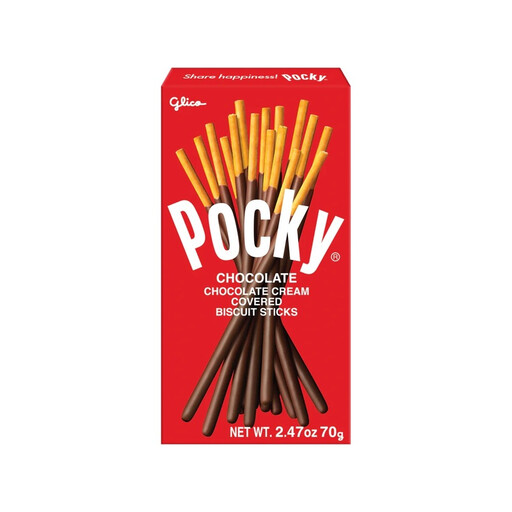
Why this product fits the profile: The 45 g pack offers a straightforward introduction to classic Japanese snacks with a chocolate coating.
The net weight is clearly stated, making it easy to compare with other 35 g, 47 g or 50 g varieties.
Crunchy biscuit sticks, chocolate coating and, according to product information, individually wrapped portions.
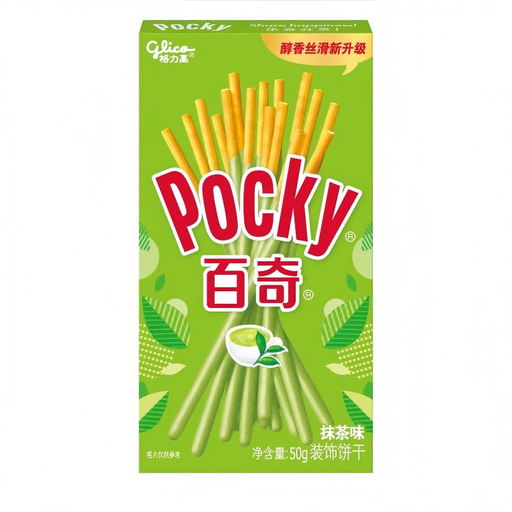
Why this product fits the profile: The declared matcha content of 10 % makes it easier for shoppers who place more importance on ingredient information to choose.
The flavour is backed up by a specific percentage, rather than just being marketed with the term matcha.
50 g pack, matcha cream and clear allergen information for wheat, milk, barley and soya.
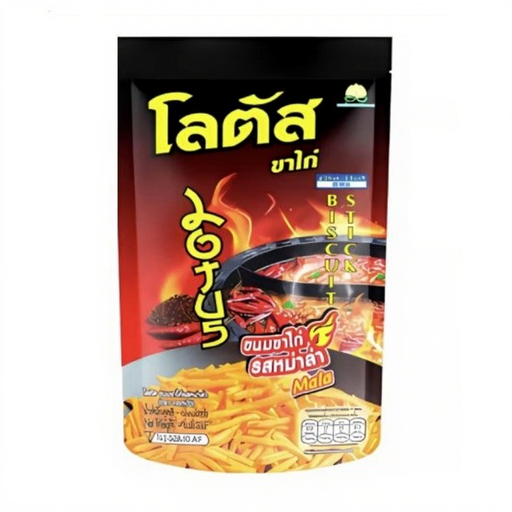
Why this product fits the profile: The 110 g pack is suitable for sharing and stocking up. The mala seasoning appeals to shoppers looking for savoury heat rather than sweetness.
The product description states 4.5 % mala spice and 2.8 % chilli sauce, so shoppers can better gauge the level of spiciness.
Savoury flavour, 110 g format and information on gluten, soya and possible traces of sesame.
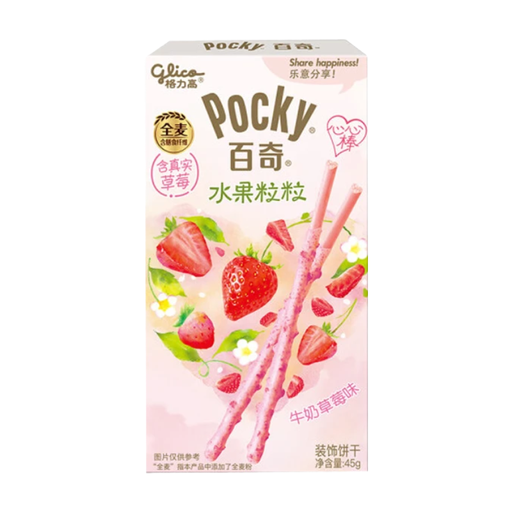
Why this product fits the profile: The fruity variety complements chocolate and matcha options in a mixed snack box or on a coffee table.
The product information distinguishes between strawberry pieces and strawberry powder, preventing a blanket assumption that it’s purely fruit.
45 g pack, milk and strawberry flavour and, according to the description, 3 % strawberry pieces.
We’ve put together a full, regularly updated list of products that fully meet these strict selection criteria and the safety regulations in force in the EU.
Small packs between 35 and 50 grams are easy to pop into a bag, lunchbox or snack box. Individually wrapped varieties such as Pocky, Pepero or certain Glico options help protect the sticks from moisture until you open them. In warm weather, chocolate products shouldn’t be left in a hot car.
The specific best-before date is on each pack. Unopened products should be stored in a dry, dark place according to the manufacturer’s instructions. After opening, biscuit sticks lose their crunchiness due to air moisture. An airtight container can help preserve the texture better, but it doesn’t replace checking the date or product quality.
Most classic biscuit sticks in this selection contain wheat and therefore gluten. Oat, barley or rye ingredients may also be relevant. For a gluten-free diet, you should only choose products that are explicitly labelled as such. Gluten-free sponge fingers are a possible alternative for desserts, but they don’t automatically fall into the category of Asian snacks.