
Lieferung heute & morgen

Qualitätsgarantie

Willkommens-Angebote freischalten: KOSTENLOSE Lieferung | Bis zu 80 % RABATT | Kostenlose 30-Tage-JoyPlus-Testphase
App herunterladen
Preparing Asian dishes is an art in itself, but authentic presentation is what completes the culinary experience. A carefully chosen Asian blue bowl can significantly enhance the visual appeal of a steaming bowl of ramen or a delicately arranged rice dish. However, given the wide variety of materials, sizes, and designs, the search for the right model can be overwhelming. This article serves as a practical guide, introducing various options and providing objective criteria to help you make an informed decision for your home.
To find the perfect bowl for your needs, there are a few key aspects to consider.
The material influences not only the look and feel but also the functionality and durability of the dinnerware.
A bowl's dimensions are crucial for its intended use.
The design plays a significant role in the dining atmosphere. A blue and white bowl is a timeless classic in Asian dinnerware, with patterns often inspired by nature or traditional calligraphy. The deep blue tones, created by cobalt oxide pigments, create an elegant contrast with the food. Whether you prefer a minimalist, solid-colour design or an elaborately decorated piece depends on your personal style and your existing Asian dinnerware.
Here is a selection of bowls that stand out for their specific features, making them suitable for various uses.
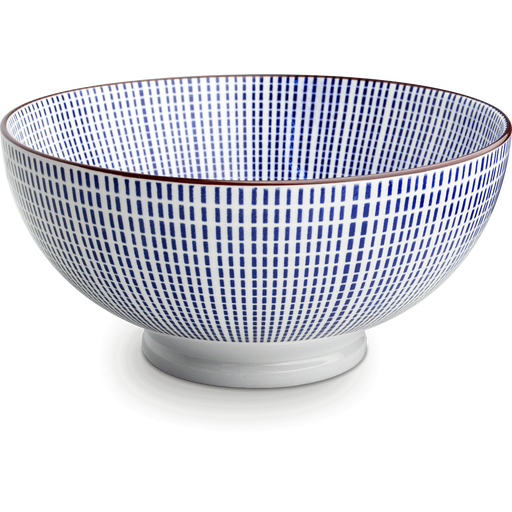
This bowl from KOM combines traditional aesthetics with modern functionality. With a diameter of 17.5 cm and a height of 9 cm, it offers a generous volume for a variety of dishes, from soups and noodle dishes to salads.
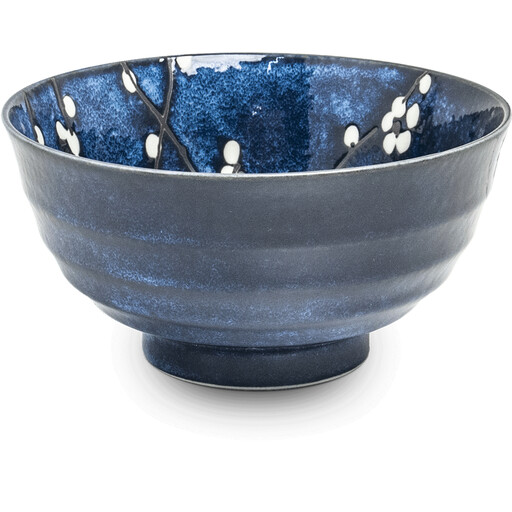
This porcelain bowl from edo Japan is distinguished by its detailed floral motif on the inside. The combination of deep blue, white, and black lends it a special elegance. With a diameter of 17 cm and a height of 8.7 cm, it is highly versatile.
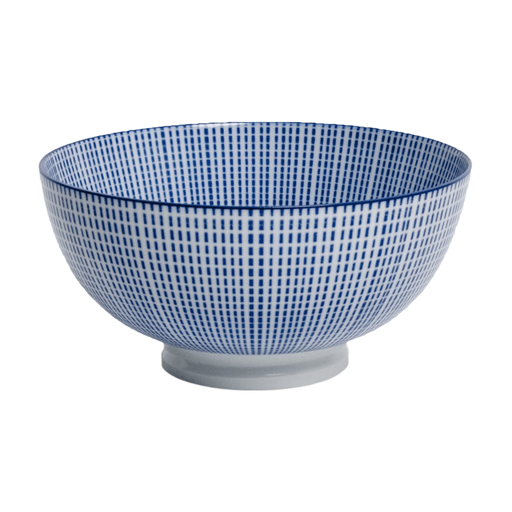
This compact bowl from KOM features the classic blue-and-white pattern of traditional Chinese porcelain art. With a diameter of 11.5 cm and a height of 6 cm, it is the ideal size for side dishes.
The bowls presented here are just a sample of the available range. If you are looking for other designs, sizes, or materials for your Asian dinnerware, you can find more inspiration in our broader category. Furthermore, if you are looking for practical storage solutions for your kitchen, our selection of Wet Cat Food Containers might also be of interest.
A ramen bowl is typically larger and deeper than a standard Western soup bowl. Its shape is often slightly conical, which helps to keep the toppings at the surface and allows the noodles to mix well with the broth. The volume is designed to accommodate a large portion of noodles, plenty of broth, and various additions like meat, egg, and vegetables.
Many modern porcelain bowls are dishwasher safe. However, it is always wise to check the manufacturer's care instructions. Handwashing may be recommended, especially for bowls with hand-painted or intricate decorations, to preserve the colours and glazes for the long term. Ceramic bowls with unglazed rims can be more susceptible to moisture absorption in the dishwasher.
A traditional rice bowl is relatively small and compact, with a diameter of about 10 to 13 cm. The size is designed for a single portion of cooked rice and is shaped to be held comfortably in one hand while eating with the other—a common practice in many Asian cultures.