
Lieferung heute & morgen

Qualitätsgarantie

Willkommens-Angebote freischalten: KOSTENLOSE Lieferung | Bis zu 80 % RABATT | Kostenlose 30-Tage-JoyPlus-Testphase
App herunterladen
If you’re looking to buy Asian bao buns and filled breads online, you’ll find plenty to choose from: baozi, Chinese steamed buns, sweet Asian breads, savoury bao buns and frozen products for a quick meal. The names aren’t always clear, though. A filled bread isn’t necessarily a bao bun, and a soft bun doesn’t always need to be steamed.
When choosing, filling content, preparation method, storage conditions and portion size matter more than eye-catching packaging. This buying guide explains what families, professionals, students and fans of Chinese cuisine should look out for.
Baozi and Char Siu Bao are usually steamed. Other products, such as Rou Jia Mo and Chinese flatbread, are baked or fried, or filled after heating. Sweet breads with bean paste are also better classed as Asian bakery products than as classic steamed bao buns.
Before buying, check whether the product:
Names such as “Chestnut”, “Red Bean” or “Milk” alone don’t tell you much about the actual ingredients. For example, Bakery Village Fresh Torn Bean Toast has a stated red bean filling content of at least 15%. Thinmax Fresh Pull-Apart Bean Bread has a stated filling content of at least 8%.
If you’re looking for a generously filled bakery product, check the quantitative ingredient information. For savoury products, it’s also worth checking whether meat, seafood or vegetables are listed as significant ingredients by weight.
Some products are ready to eat and just need to be opened. Others can be steamed straight from the freezer. Frozen bao often shouldn’t be refrozen once thawed. For products filled with meat or seafood, make sure you follow the stated heating time.
That’s why the product instructions matter more than any general preparation time. An unfilled bao bun may be ready to serve after 3 to 6 minutes of steaming, while filled Char Siu Bao may take around 15 minutes.
Red bean paste, chestnut filling, coconut or salted egg yolk make great sweet snacks. Examples include Bakery Village Coconut Red Bean Bread, with at least 14% red bean paste, and Bakery Village Egg Yolk Bun, filled with a mixture based on salted egg yolk and mung bean paste.
Savoury bao buns often contain pork, vegetables or a seasoned sauce. According to its ingredients list, MENGFU Charsiu Bao has a filling content of 40%, including 28% pork. If you want to avoid seafood, check for crab, fish and other allergens in products such as Siu Long Soup Bun.
A steamer is useful for Chinese steamed buns, but it isn’t essential. Depending on the product, you may also be able to use a microwave, frying pan, oven or air fryer.
Look out for the following information:
Individual 85g portions are ideal for breakfast, breaks or a snack. Larger packs of 350 to 700g are more practical for families, stocking up or serving across several meals. Frozen products generally need to be stored at −18 °C or below.
Also check the allergen information before buying. Products often contain wheat or gluten, soya, egg and milk. Depending on the filling, sesame, mustard, nuts, crustaceans, fish or molluscs may also be listed.
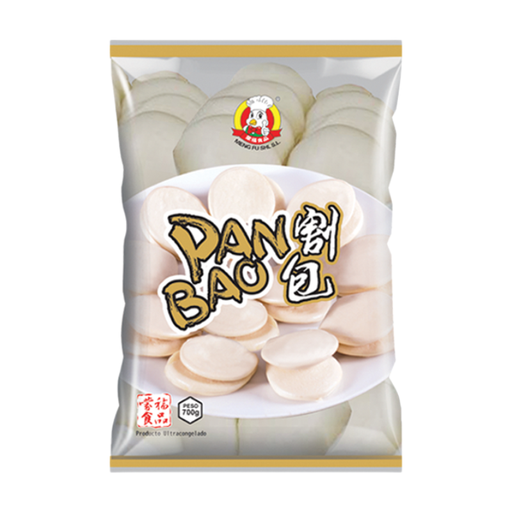
Why it suits this profile: This unfilled bao bread can be paired with meat, vegetables or crispy chicken, and steamed straight from frozen.
The instructions specify steaming from frozen for 3–4 minutes, so there’s no need to guess when it’s thawed.
A 700g pack, just five ingredients according to the product information, and a versatile base for filled bao buns.
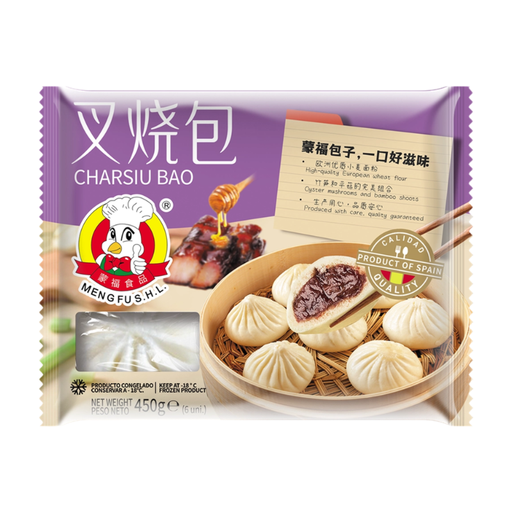
Why it suits this profile: The filling is described as a Char Siu variety with pork and a seasoned sauce, making it a good choice for fans of savoury baozi.
The stated filling content of 40% makes it easier to gauge the balance of dough and filling than a flavour name alone.
A 450g pack, with steaming from frozen taking around 15 minutes.
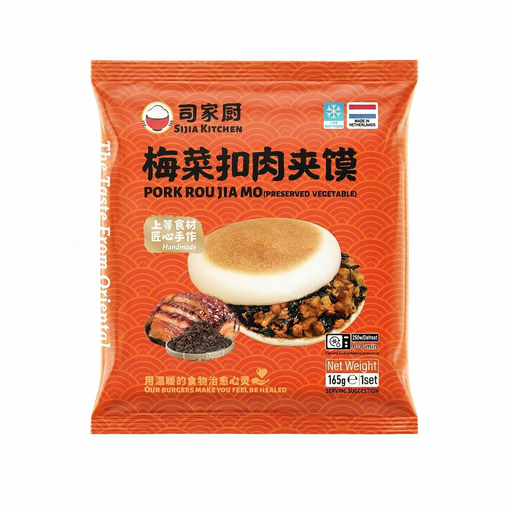
Why it suits this profile: Rou Jia Mo combines Chinese flatbread with braised pork and preserved mustard greens to make a satisfying snack portion.
The ingredients list states 40% pork and gives preparation options for the microwave, oven, frying pan or air fryer.
A 165g portion, frozen storage at −18 °C and several clearly stated heating options.
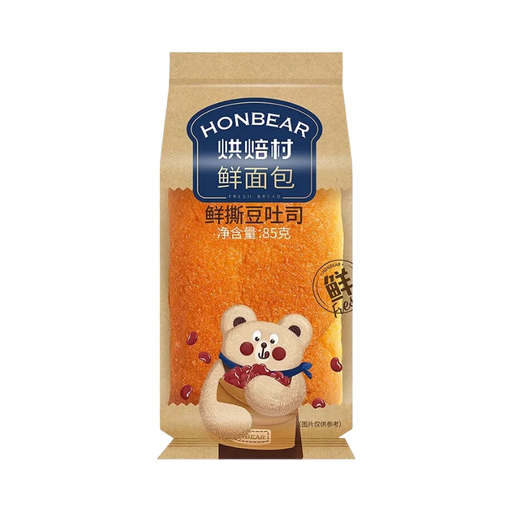
Why it suits this profile: This individual 85g bread is ready to eat and, according to the product information, contains at least 15% red bean filling.
The portion size and stated filling content make it easier to plan than with large, unportioned packs.
Ready to eat at room temperature; the product information says it can be warmed for around 15 seconds.
We’ve put together a complete, regularly updated list of products that meet these strict selection criteria and fully comply with the safety regulations in force in the EU.
Check the packaging for the specific instructions. Many unfilled bao breads can be steamed straight from frozen. Filled products may need longer. As a rule, frozen products shouldn’t be refrozen after thawing unless the packaging says otherwise.
For frozen products, the best-before date depends on the packaging and whether the storage temperature has been maintained consistently, usually −18 °C or below. Products stored at room temperature should be kept somewhere cool and dry, away from direct sunlight. Once opened, follow the manufacturer’s instructions.
Packs weighing 350 to 700g are handy for several people, such as sliced steamed buns or unfilled bao bread. You can serve them with a choice of fillings. Individual portions of 85 to 165g are better suited to breaks, breakfast or a snack with a set portion size.